
Livraison le jour même ou le lendemain

Qualité garantie

Débloquez vos offres de bienvenue: Livraison GRATUITE | Jusqu'à -80 % | 30 jours d'essai gratuits à JoyPlus
Téléchargez l'application
A multi-material super glue can save a ceramic piece, hold a metal component in place, or reattach a sole. But not all instant glues are created equal, and more importantly, they aren't all suited to the same surfaces or uses. A poor choice can result in a weak bond, leave an unsightly white residue, or turn the tube into a solid block after just a few applications.
Before buying a super glue, keep three pitfalls in mind:
Start by identifying the two surfaces you need to join. A glue for plastic isn't automatically compatible with all plastics. When the object has a marking, it helps you distinguish between PE, PP, ABS, PVC or acrylic families.
For everyday repairs, look for a formula that is stated to be compatible with several of the following materials:
The product description should also specify which materials are excluded. PE, PP and PTFE are often incompatible with a standard cyanoacrylate glue. For a plastic that is notoriously difficult to bond, a duo combining glue and activator may be more suitable.
Liquid glue seeps into fine joints and is ideal for perfectly fitted surfaces. It is perfect for a narrow crack, a small jewellery piece or a porcelain repair.
Gel glue stays in place better on vertical or porous surfaces. When it contains rubber, it can also work on flexible materials, such as a shoe sole.
The application system matters almost as much as the formula:
A precision glue will generally be more suitable for small objects. For repeated DIY tasks, a larger bottle will be more economical.
Some products claim resistance to moisture, temperature changes, impact or twisting. These claims should always be weighed against your project. A water-resistant glue may work for a handle, a decoration or an object exposed to a few splashes, but the repair must be fully cured before any washing.
Also check the stated temperature range. Many products are designed for small surfaces and cannot replace a construction adhesive for a large area or a load-bearing component. For a lasting repair, preparation is key: the surfaces must be clean, dry, degreased and perfectly aligned.
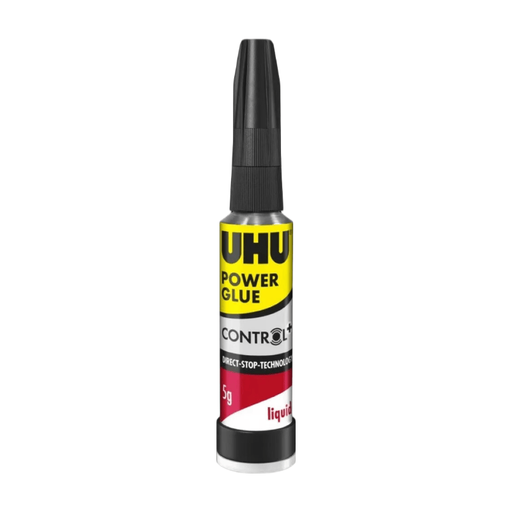
Why this choice suits this profile: With its 5 g tube and Direct-Stop nozzle, it is ideal for small household repairs that require precise dosing.
The anti-drip system limits spills and waste, unlike some nozzles that are difficult to control.
A clear liquid formula, drip-free application and stated compatibility with plastic, metal, wood, ceramic and several flexible materials.
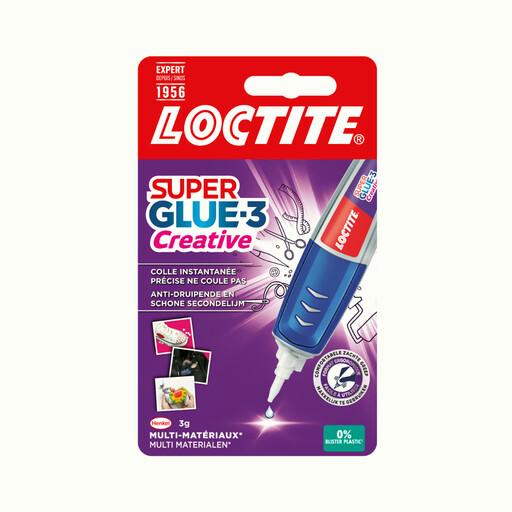
Why this choice suits this profile: Its pen format is aimed at craft lovers, model-makers and those doing visible repairs where precision matters.
The gel texture reduces drips on vertical surfaces and avoids the control issues of a glue that is too runny.
A press-action pen, precise application and a clear finish after drying, perfect for small areas and detailed work.
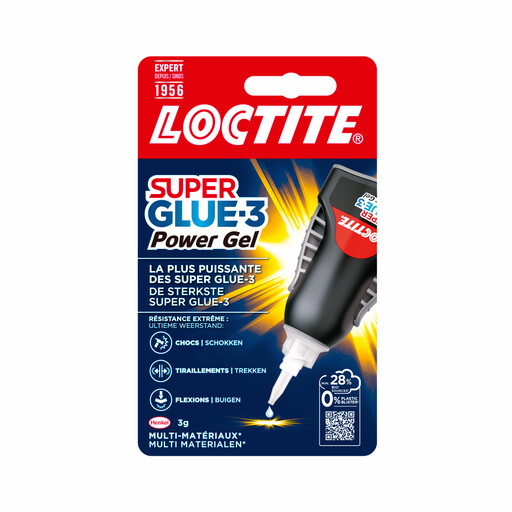
Why this choice suits this profile: Its rubber-enriched gel formula targets repairs that are subject to flexing, such as shoes, flexible hoses or certain leisure items.
The texture limits drips and the formula is stated to be resistant to water, impact, twisting and temperature changes.
A fine nozzle, a control button and a 3 g format for applying a small amount to both rigid and flexible surfaces.
We have put together a comprehensive, real-time updated selection of products that meet these demanding criteria and comply with European safety regulations.
Cyanoacrylate glues can bond skin and eyes in seconds. Protect your fingers, work in a well-ventilated area and keep the product out of reach of children. In case of contact with eyes, rinse thoroughly and seek medical attention promptly. Before use, also read the label and the hazard statements required by the European CLP regulation.
Start by identifying the type of plastic. For PVC, ABS, polystyrene or certain rigid plastics, a compatible instant glue can do the job. PE and PP often require a dedicated solution, for example a plastic glue with an activator. Don't rely solely on the "universal" label.
A shoe glue must remain flexible enough once dry. A rubber-enriched gel glue will generally be better suited to a sole or a material subject to twisting. Clean the surfaces, apply a small amount and allow a longer drying time before wearing the shoe again.
Close the cap tightly after each use and store the product in a cool, dry place, away from heat and direct light. If you use it infrequently, mini sachets can help prevent drying out and avoid keeping an already opened tube for too long.