
Livraison le jour même ou le lendemain

Qualité garantie

Débloquez vos offres de bienvenue: Livraison GRATUITE | Jusqu'à -80 % | 30 jours d'essai gratuits à JoyPlus
Téléchargez l'application
Looking to add some variety to your meals and find an alternative to white rice that's a bit too conventional? Multi-grain rice is an excellent solution for enriching your daily diet. But with ever-expanding supermarket aisles, making the right choice can be tough. To help you navigate the options, follow our guide! We'll break down the key criteria and present our selection of the top products on the market.
To find the perfect grain blend that ticks all the boxes (taste, nutrition, ease of preparation), there are several criteria to consider.
The strength of a multi-grain rice lies in the diversity of its ingredients. Each recipe is unique:
This composition will, of course, affect the nutritional profile, but also the taste and how it holds up during cooking. A quinoa-based blend will be lighter, while a recipe rich in brown rice will offer a firmer bite.
Your schedule is a key factor. There are two main formats on the market:
People often turn to grain blends for their health benefits. Be sure to check:
We've scrutinised three products with distinctly different profiles to meet every need.
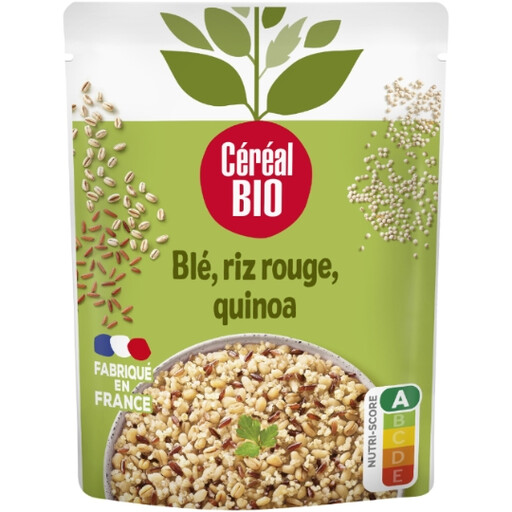
Key feature: Its ultra-convenient nature. Ready in 2 minutes flat, this organic blend is the perfect solution for a balanced, hassle-free meal.
What we love:
Who is it for? Ideal for busy professionals, students, and anyone looking for a healthy and tasty side dish that's ready in the blink of an eye. It can be enjoyed hot or cold, in a salad for example.
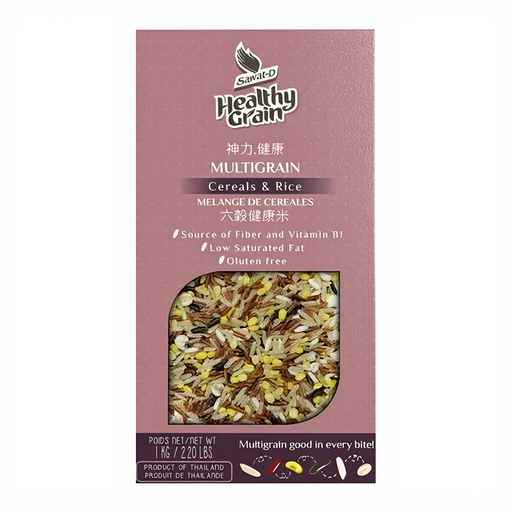
Key feature: Its family-size format and authentic Thai blend, providing a nutritious and flavourful base for countless recipes.
What we love:
Who is it for? This blend is for those who love to cook and plan their meals. It's an excellent choice for families and meal prep enthusiasts looking for outstanding value for money.
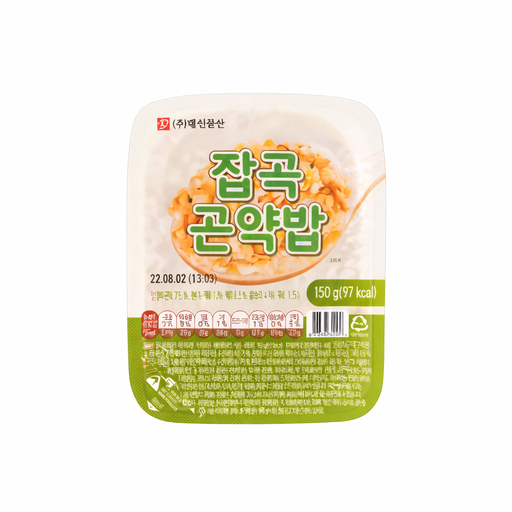
Key feature: The inclusion of konjac, a root known for its extremely low calorie content. A truly unique alternative to white rice.
What we love:
Who is it for? For the adventurous who want to try new textures and for anyone following a specific diet. An option to consider for adding variety while controlling your intake.
Our selection is just a taste of what the market has to offer. To discover other blends, formats, or specialised brands, feel free to browse our full category.
? Discover our full range of Multi-Grain Cereals
1. What's the difference between multi-grain rice and brown rice?Brown rice is a single grain (rice) that has retained its outer layer (the bran), making it richer in fibre than white rice. Multi-grain rice, on the other hand, is a blend of several cereals (which can include brown rice), seeds, or legumes. The advantage? A greater diversity of tastes, textures, and nutrients.
2. Is multi-grain rice really healthier than white rice? From a nutritional standpoint, a grain blend offers a more complete profile than refined white rice. Thanks to the combination of different grains, it is often higher in fibre, protein, and micronutrients. Its glycaemic index is also generally lower, which promotes longer-lasting satiety.
3. How do you cook a grain blend? It all depends on the format! Always refer to the instructions on the package. Pre-cooked pouches are a quick-cook rice: a few minutes in the microwave or a pan and it's ready. Dry blends, however, are cooked in a large volume of boiling water, but the cooking time varies (from 15 to over 30 minutes) depending on the composition.