Households that like to vary their meals
You switch between rice, saucy dishes, steaming and sometimes browning. A multi-cooker is worth considering if its modes genuinely cover these cooking methods in the same pot.


If you regularly switch between rice, slow-cooked dishes and steaming, choose a multi-cooker with modes that suit these dishes. If you mainly cook rice, slow-cooked meals or steamed food, a dedicated appliance may be all you need. And if you rarely schedule meals, your existing equipment may still do the job. In every case, check how much you can actually cook and how easy the appliance is to clean. A connected model is only useful if you plan to use its recipe and guidance services.
You switch between rice, saucy dishes, steaming and sometimes browning. A multi-cooker is worth considering if its modes genuinely cover these cooking methods in the same pot.
You prioritise rice, keeping food warm and a pot that’s easy to clean. A rice cooker can fit this routine without pressure-cooking or browning functions.
You want to start cooking without always using an app. Choose connected features for recipes and guidance only if you genuinely plan to use them.
Start with the meals you make most often: a multi-cooker combines several modes, while a rice cooker, slow cooker or steamer is designed for one main type of cooking. Then compare the amount you can cook in the pot and the steps involved in starting, cleaning and storing the appliance. If you only schedule cooking occasionally, take into account the pans and oven you already own, too.
| Criterion | What to check | Consumers concerned |
|---|---|---|
| Useful cooking modes | Modes suited to the meals you make regularly; available time and temperature settings. | If I switch from rice to slow-cooked dishes and steamed food, I want to make all of them in the same appliance without adding more utensils. Around 29% of consumers would put this versatility first. |
| Usable capacity | The maximum fill level and limits for ingredients that expand, rather than just the stated pot capacity. | To make the usual portions for my household, I need to know how much a recipe actually allows. This capacity would be the top priority for around 23% of consumers. |
| Ease of use and cleaning | Steps for starting the appliance, instructions for releasing pressure if needed, and removable parts that can be washed. | I want to follow the cooking instructions and clean the parts I’ve used without making my routine more complicated. Around 18% of consumers would make ease of use their main criterion. |
| Specialist cooking | For rice, keep-warm function and permitted quantities; for steaming, baskets, water and timer. | If I mainly cook rice or steam food, I’d rather look at an appliance designed for the job before considering its other modes. This would be the top priority for around 18% of consumers. |
| Connected services | Recipes and guidance you’ll actually use; app compatibility and features available offline. | When I follow guided recipes, access to these services may matter more to me than having an extra programme. Around 12% of consumers would prioritise these digital features. |
The stated capacity does not always match the permitted fill level. UFC-Que Choisir, for example, says that a 6 L Cookeo pot is limited to a maximum cooking capacity of 4 L.
Compare your usual portions with the fill levels and limits listed for each type of ingredient in the manual for the model you’re considering.
Recipes available through an app and guided cooking don’t, on their own, determine whether the cooking modes and pot are right for your meals.
Identify the digital services you’ll use, then compare the useful cooking modes of a connected and a non-connected model.
A steamer, rice cooker and multi-cooker don’t necessarily offer the same modes or accessories.
Make a note of the dishes you prepare regularly and check the mode, permitted quantity and accessories needed for each one.
Filling, pressure-release and cleaning procedures depend on the model.
Read the manual before buying, then follow its instructions for filling and opening the appliance when you use it.
The Cookeo range includes guided pressure multi-cookers, with features that vary by model.
The models featured by Tefal let you compare a versatile rice cooker with a pressure multi-cooker.
The specialist appliances featured by SEB let you compare a rice-focused routine with cooking that’s mainly based on steaming.
These appliances suit different needs: several cooking methods in one pot, a routine centred on rice, or steaming. First choose the cooking method you’ll use most often, then check the fill limits and instructions for the specific model.
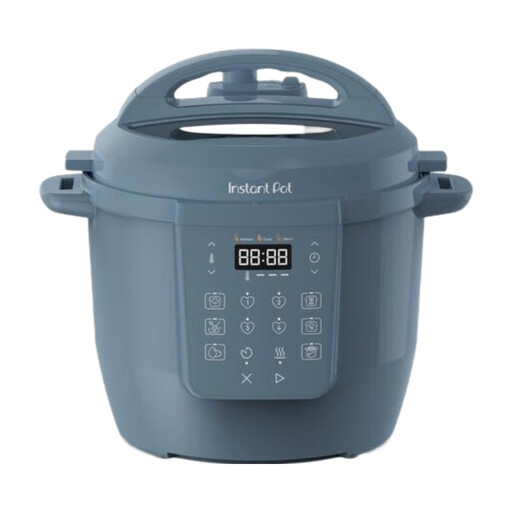 Image unavailable
Worth considering if you switch between pressure cooking, slow cooking and steaming. The model name lists four customisable presets. Check the manual for permitted quantities, especially for ingredients that expand, and the steps for releasing pressure.
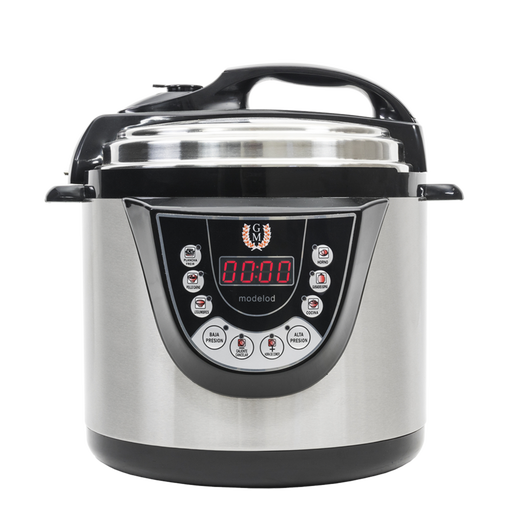 Image unavailable
For a range of dishes, this model lists a frying function and a 24-hour timer. Check the manual to see exactly what the timer does, along with the pressure-cooking instructions, language of the instructions and plug compatibility.
 Image unavailable
Consider this if rice is the dish you make most often and a delay-start or keep-warm function suits your routine. The non-stick pot, delay-start function and steam basket are listed in the product name. Check the maximum fill level and which parts can be washed.
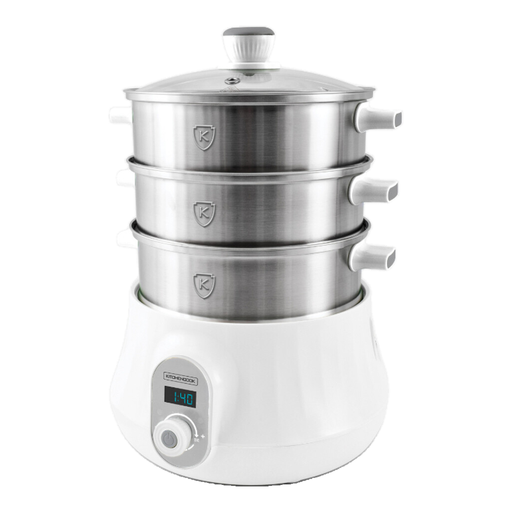 Image unavailable
Worth a look if your meals rely mainly on steaming rather than slow cooking or browning. Before buying, check how much space the appliance needs, the instructions for the water tank and whether the plug is compatible.
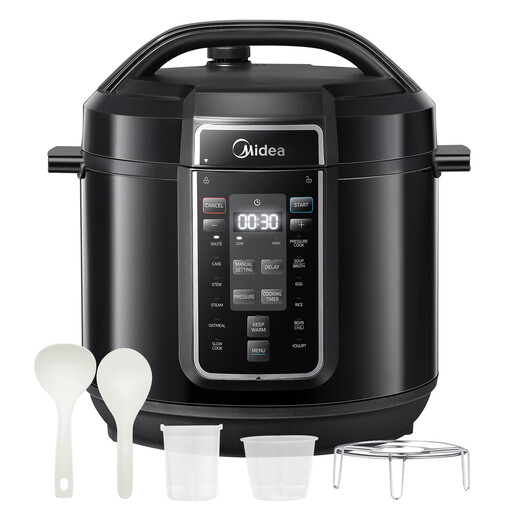 Image unavailable
For switching between different types of meals, the product name lists 12 programmes and slow-cooking, rice and steaming functions. Check its exact capacity and permitted fill level before planning your portions. Also check the plug, washable parts and instructions for opening the appliance under pressure.
Not necessarily: the permitted fill level may be lower than the pot’s capacity. UFC-Que Choisir gives the example of a 6 L Cookeo pot with a maximum cooking capacity of 4 L. Check the manual for the exact model and the limits for ingredients that expand.
Check the pot, lid and removable accessories separately, including whether they’re dishwasher-safe. SEB lists this for some parts of the RK100601 rice cooker, but the same doesn’t apply to every model.
No: connectivity isn’t a requirement for scheduled cooking. First compare the modes and settings you need. Recipes available through an app and guided cooking on a connected model are only useful if you plan to use them.