
Livraison le jour même ou le lendemain

Qualité garantie

Débloquez vos offres de bienvenue: Livraison GRATUITE | Jusqu'à -80 % | 30 jours d'essai gratuits à JoyPlus
Téléchargez l'application
Is the check engine light on your dashboard? That's often the start of trouble and, more often than not, a hefty bill from the repair shop. Getting a multi-brand diagnostic tool seems like the perfect solution to regain control and save money. The problem? The market is flooded with marketing promises that too often turn a good deal into a major disappointment.
To help you avoid a nasty surprise, here are the most common pitfalls that unwary buyers fall into:
To make the right choice, ignore the marketing speak and focus on objective technical criteria.
To be sure you're making a sound investment, examine these three points closely. They are the guarantee of your automotive diagnostic tool's relevance and lifespan.
Modern cars, especially those released after 2020, use new, faster, and more secure communication protocols.
Verifying support for these protocols ensures your investment won't be obsolete in two years.
A good tool does more than just clear the check engine light. Its real value lies in its ability to communicate with all of the vehicle's control units.
These are the functions that separate a professional diagnostic tool from an amateur model.
Rather than an endless list, we've selected three products that meet our criteria and cater to distinct user profiles.
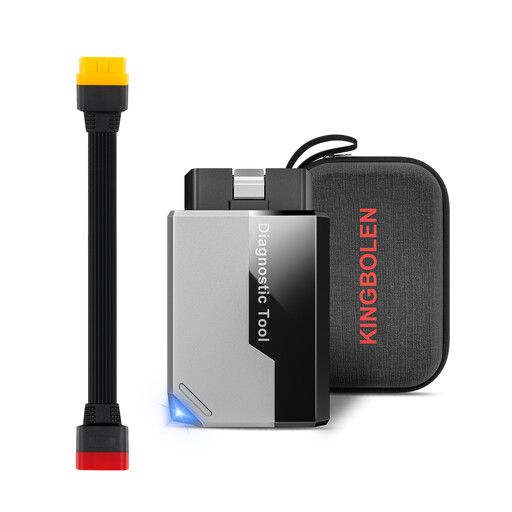
Why we chose it? Ideal for regular maintenance on the family's vehicles. This OBD2 Bluetooth dongle connects to your smartphone and offers an unbeatable features-to-price ratio, with no hidden fees.
Its ace in the hole: updates are free for life for all functions (full diagnostics, 15 services, bidirectional test), not just basic OBD2. No nasty surprises with a subscription popping up after a year.
Bidirectional test included: A feature that's extremely rare at this price point, allowing you to actively test components. CAN FD compatibility: Ensures support for recent vehicles (GM, Ford, etc.).
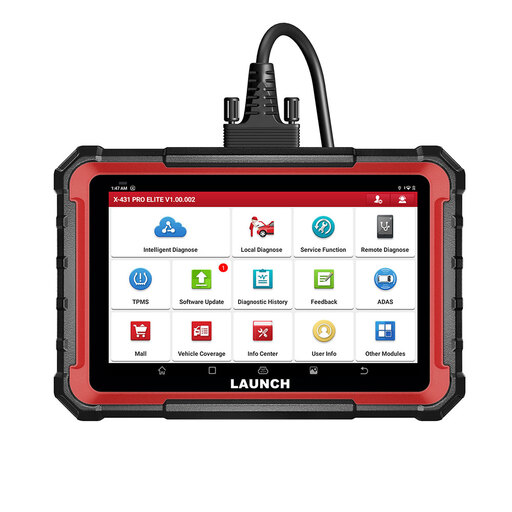
Why we chose it? For small garages or expert mechanics looking for a tool that is both robust and comprehensive. This 8-inch tablet offers OE-level diagnostic capabilities across a very wide range of vehicles.
Here, there are no empty promises. The ECU coding and bidirectional test are truly comprehensive and functional on a multitude of brands. CAN FD and DoIP compatibility is native, ensuring full access to the latest vehicles without needing an adapter.
Firepower: Over 31 service functions and full all-system diagnostics. V.A.G. Guided Functions: Provides step-by-step assistance for diagnostics on Volkswagen/Audi group vehicles.
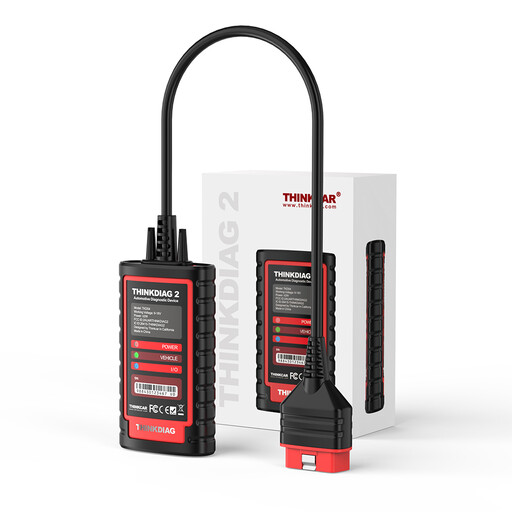
Why we chose it? Perfect for those who want to combine portability and power via a mobile app. This dongle transforms any smartphone (iOS or Android) into a super-powerful diagnostic tool, particularly well-suited for recent vehicles.
It avoids the trap of limited compatibility. By natively integrating the CAN FD protocol, it ensures perfect coverage for post-2020 models, where many competitors throw in the towel. The subscription model is transparent: it's annual, clearly stated, and unlocks all advanced functions without any surprises.
Pro features in your pocket: It includes ECU coding and bidirectional testing, functions normally reserved for much more expensive tablets. Compact format: Fits in the glove box and can be used anywhere.
We have compiled a complete selection of products that meet these demanding selection criteria.
Absolutely not, and this is a critical point to watch. While most tools are compatible with the OBD2 standard (mandatory in Europe for petrol vehicles since 2001 and diesel since 2004) for engine diagnostics, compatibility for advanced functions (ABS, airbag, service reset, etc.) varies enormously. Before any purchase, it is imperative to check the exact coverage for your vehicle's make, model, and year on the tool manufacturer's website.
It depends on the model.
Yes, provided you choose a model that includes "Oil Reset" and "ABS Bleeding" functions. While resetting the maintenance indicator is quite common, bleeding the ABS system is a much more advanced function. It is essential on modern cars to purge air from the ABS module after working on the braking system. Make sure to verify that your car model is compatible with these specific procedures.