
Livraison le jour même ou le lendemain

Qualité garantie

Débloquez vos offres de bienvenue: Livraison GRATUITE | Jusqu'à -80 % | 30 jours d'essai gratuits à JoyPlus
Téléchargez l'application
Choosing the right mugs and cups for drinks isn’t just about picking a colour or shape. Between promises of leak-proofing, stated capacities and materials that are sometimes vaguely described, some purchases can quickly turn into disappointments. A mug that’s too small, a lid that’s a pain to clean, or a bottle that’s poorly suited to a child can end up at the back of a cupboard.
Here are the criteria to run through before you order, along with a selection designed for families, hot drink lovers, people who are always on the go, and those looking for tableware to give as a gift.
An insulated cup or a travel mug with double walls slows down the cooling or warming of a drink. That doesn’t mean its temperature will stay unchanged all day. How long it holds depends on the material, the lid, how full it is, and the starting temperature.
Stainless steel models, like some Bodum cups, cannot go in the microwave. A very hot drink can also cause burns, even if the outside feels only warm to the touch.
A lid can reduce splashes without making the product completely watertight in every position. Before you slip a mug with a lid into your bag, check for a seal, the closing mechanism, and the care instructions. Straws and removable seals need to be washed separately to prevent residue build-up and unpleasant odours.
A 1.2-litre capacity might suit a long working day or a day out, but it could be too bulky for a car’s cup holder. On the other hand, a 120 ml mug will be perfect for an espresso or a dessert, but not for your morning brew.
Claims like BPA-free, the recommended minimum age, dishwasher compatibility or maximum temperature should be checked on the product page. They don’t replace the need to follow usage precautions.
For everyday use, a coffee mug of 250 to 350 ml is generally fine for a single drink. The 400 ml size is better suited to large coffees, milky teas and hot chocolates. Small 120 ml cups are ideal for espresso, tasting portions and desserts.
For a child, go for a handle that’s easy to grip, a soft spout and a simple closing system. A children’s water bottle should be used under adult supervision when the drink is hot or the child is very young.
A product that comes apart easily will often be more practical day to day. Check whether the lid, straw and seal can go in the dishwasher. Decorated ceramic models will keep their original look longer if cleaned with a soft sponge.
For measuring jugs, the readability of the markings matters more than the look. The material also needs to be suitable for the temperature of the ingredients: some plastic cups aren’t designed for very hot liquids, the oven or the dishwasher.
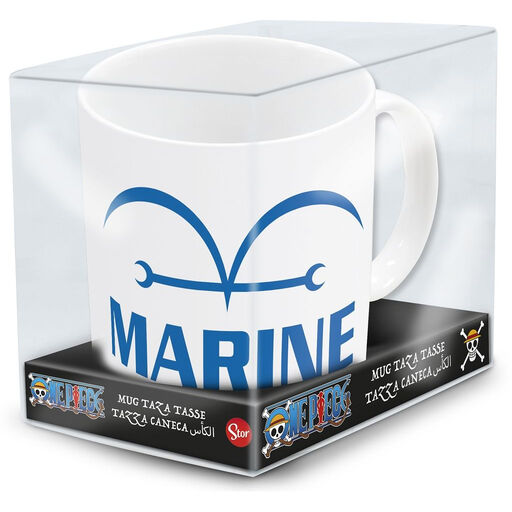
Why this choice suits this profile: With its 325 ml capacity, this mug works for coffee, tea and hot chocolate, at home or in the office. Its licensed design adds a personal touch without needing any special care.
The capacity is clearly stated and the product page confirms microwave and dishwasher compatibility. As with any ceramic, it still needs careful handling.
325 ml capacity, ceramic construction, Marine design and dishwasher-safe care.
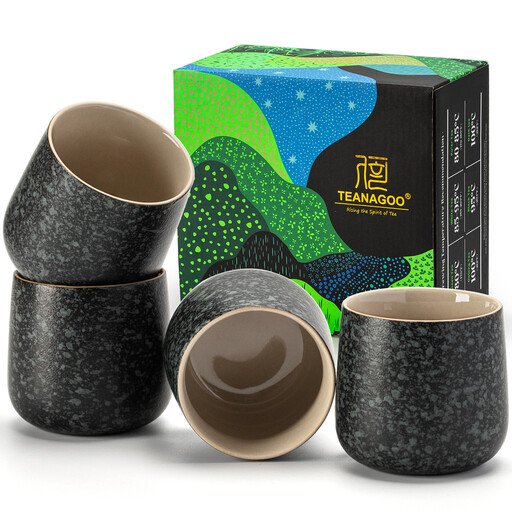
Why this choice suits this profile: Tea lovers will appreciate the 205 ml size and the textured exterior finish of this Japanese cup. The set also works well on a tasting table or as part of a lovely gift set of tableware.
The capacity, number of pieces and precautions to avoid thermal shock are all specified. Gentle washing will help preserve the textured exterior.
Set of four cups, 205 ml capacity, glazed interior and stated compatibility with the oven, freezer, microwave and dishwasher.
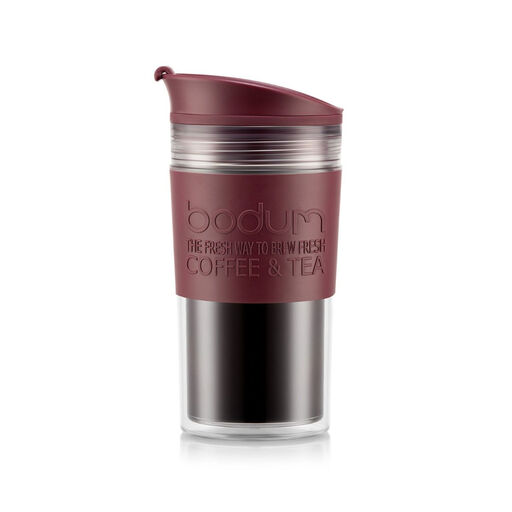
Why this choice suits this profile: With its double-walled stainless steel construction, this insulated cup is ideal for commutes, car journeys and on-the-go days. Its 350 ml size still fits in most cup holders.
The double wall and silicone seal are mentioned, but the lid must be properly closed. This cup is not microwave-safe and is not suitable for children.
Insulated stainless steel, lid with silicone seal, 350 ml capacity and a design made for travel.
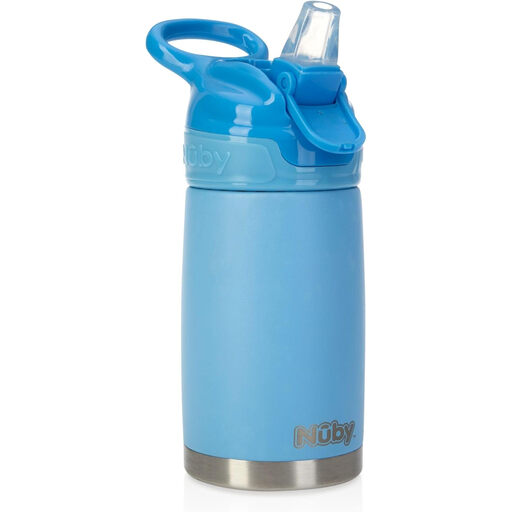
Why this choice suits this profile: This children’s water bottle features a handle, a silicone spout and a Flip-It lid. The product page recommends it from 18 months and states it can keep drinks cool for up to 10 hours.
The recommended age, closing system and BPA-free construction are all stated. Replace the bottle at the first signs of wear and supervise the child while they use it.
Stainless steel, integrated handle, soft spout and a closure designed to limit leaks when the lid is properly shut.
We’ve put together a full selection, updated in real time, of products that meet these demanding criteria and European safety standards.
A size of 250 to 350 ml works for most coffees, teas and hot chocolates. For an espresso, a cup of 80 to 120 ml is enough. Fans of longer drinks can go for 400 ml, as long as you check the size and weight.
Only if the manufacturer provides a leak-resistant lid and it’s properly closed. Even then, carry the cup upright and check the seal regularly. An insulated model isn’t necessarily watertight in every position.
Wash the different parts promptly after use, dry the seals and straws separately, then check for cracks, warping or signs of wear. Never use a damaged product with a hot drink. Also follow the stated limits for the microwave, dishwasher and very hot liquids.