
Livraison le jour même ou le lendemain

Qualité garantie

Débloquez vos offres de bienvenue: Livraison GRATUITE | Jusqu'à -80 % | 30 jours d'essai gratuits à JoyPlus
Téléchargez l'application
Choosing a mug or coffee cup seems simple… until the first leak in your bag, the coffee that goes cold in minutes, or the glass that cracks after a thermal shock. With promises of insulation, sometimes misleading capacities, and designs created primarily to catch your eye, a few checks are in order before you head to the checkout.
A 350 ml, 400 ml or 450 ml mug doesn't necessarily offer the same everyday comfort. The stated capacity usually refers to the maximum volume of the container. Once the lid is on, milk foam is added, or a safety gap is left, the amount of drink you actually get can be noticeably less.
For everyday coffee, 300 to 350 ml is generally sufficient. If you're a fan of lattes, tea or hot chocolate, you'd be better off looking at models between 400 and 450 ml. For a travel mug, also think about checking its height and diameter: it needs to fit in your car's cup holder.
A double-walled mug or thermal glass limits heat transfer to your hand and helps keep your drink at a good temperature. That doesn't mean the contents will stay hot indefinitely. The effectiveness of the insulation depends on the design of the container, the quality of the lid, and how long it's exposed.
A double-walled glass is also still sensitive to thermal shock. Avoid pouring a boiling drink into a cold container, or placing a hot glass on a cold, wet surface.
On an insulated mug, the silicone seal and lid need to be cleaned regularly. Coffee residue can build up in the grooves, encouraging odours and compromising the seal. Even when a model is advertised as dishwasher-safe, always check the manufacturer's recommendations, especially for printed or heat-reactive elements.
For an original mug, a heat-sensitive finish can be the product's main charm. It may require hand washing and the use of a non-abrasive sponge.
The shape of the handle is also worth a look. A wide, well-integrated handle makes for a comfortable grip, while a travel mug typically relies on a lid and a size that fits in a bag or cup holder.
A glass coffee cup lets you admire the colour and layers of a latte. Borosilicate glass withstands temperature changes better than some ordinary glasses, but it's not unbreakable.
A ceramic cup holds heat pleasantly and comes in a huge range of shapes and designs. It's perfect for everyday use, as long as you check its compatibility with the microwave and dishwasher. Printed decorations may need a little extra care.
Double-walled stainless steel, very common on travel mugs, offers a sturdy construction that's ideal for transport. It should not be placed in the microwave. With a hot drink, always test the temperature before drinking: good insulation can keep the contents hotter for longer than you might expect.
Before first use, wash the container in hot water with a mild detergent. Regularly inspect the rim, handle, lid and seals. A mug that is cracked, chipped or no longer seals reliably should be replaced.
With glass products, avoid knocks and sudden temperature changes. For sealed models, do not carry fizzy drinks unless the manufacturer specifies this use. A properly closed lid reduces the risk of leaks, but cannot prevent all spills.
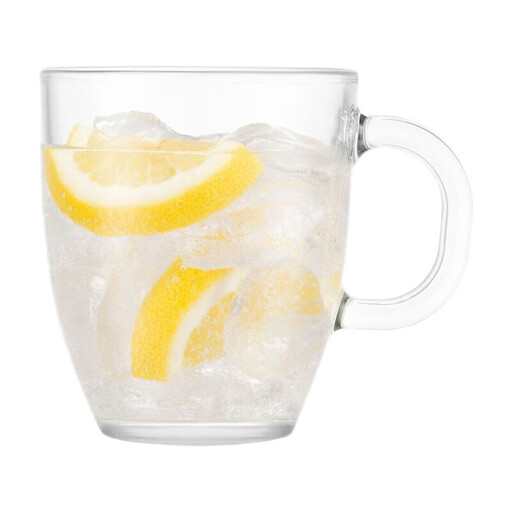
Why this choice suits this profile: With six 350 ml mugs, this set lets you create a matching service for breakfasts and guests, without having to mix and match sizes.
The capacity is clearly stated for each mug, and the handle stops you mistaking a simple display glass for a cup designed for everyday use.
Clear glass, comfortable handle, 350 ml capacity and dishwasher-safe according to the product sheet.
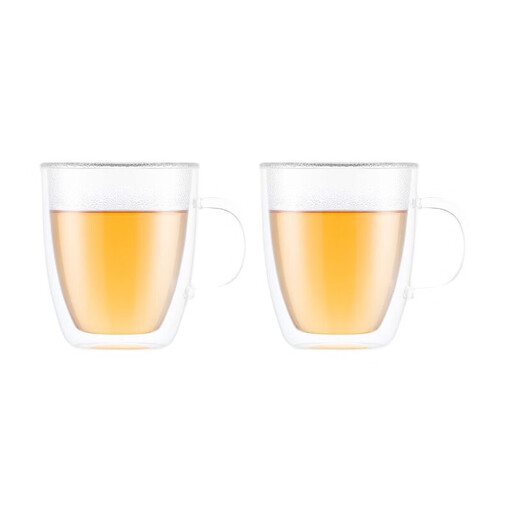
Why this choice suits this profile: The mouth-blown borosilicate glass and double wall naturally find their place on a table looking for a clean, elegant, slightly Scandinavian aesthetic.
The double wall comes with a product sheet detailing the material, handle and precautions regarding thermal shock, rather than just a vague promise of insulation.
Two 450 ml mugs, borosilicate glass, exterior designed to reduce condensation, and claimed compatibility with dishwasher and microwave.
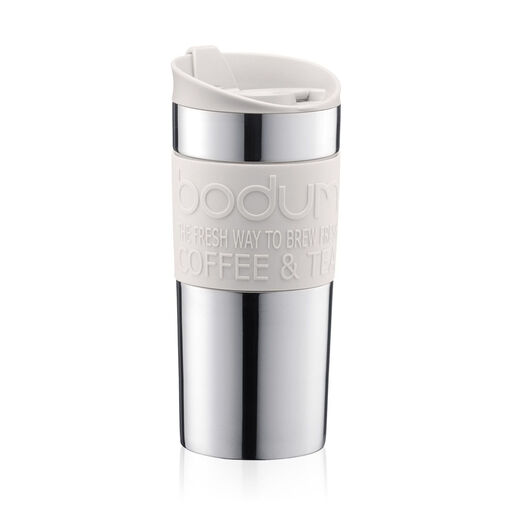
Why this choice suits this profile: This 350 ml insulated mug is designed for commutes, car journeys and long days at the office.
The double-walled stainless steel body and flip lid are designed for travel. However, it's still essential to check the lid is properly closed before slipping the mug into a bag.
Vacuum insulation, size claimed to fit many cup holders, and a flip-open lid.

Why this choice suits this profile: This black ceramic cup plays the heat-reactive design card, inspired by Wednesday. A ready-made gift for fans of the series and objects that don't go unnoticed.
The 320 ml capacity and hand-washing instructions are clearly stated. This lets you judge the product on its use, not just its design.
Ceramic, 320 ml capacity and a design that reveals itself when in contact with a hot drink. Microwave is indicated for reheating according to the product sheet.
We've put together a comprehensive, real-time updated selection of products that meet these demanding criteria, while respecting European safety regulations.
A 350 ml model is perfect for a good-sized portion of coffee, tea or hot chocolate. Go for 400 to 450 ml if you add milk, foam or enjoy larger drinks. For on-the-go use, the main thing is to check the mug fits in your cup holder.
It depends on the material and the manufacturer's recommendations. Some double-walled glass mugs are dishwasher-safe, while lids, seals or decorations may need hand washing. Always check the product sheet for the model you choose.
An insulated mug is designed for travel and usually has a lid. Ceramic is more suited to home or office use, with a classic grip and a much wider choice of designs. Thermal glass stands out for its transparency and double wall, but requires a bit more care when handling.