People watching a film on their own
You’d rather open one bar than a large block of chocolate or a multipack. The net weight helps you choose a portion that suits you.


For a solo movie night, choose a single chocolate bar with a weight and recipe to suit what you fancy. The 30–37 g examples aren’t the only options for an individual portion. If you’re deciding between biscuit, hazelnut and nougat, compare the sugars per 100 g too, and check the allergens on the packaging of the specific bar you choose.
You’d rather open one bar than a large block of chocolate or a multipack. The net weight helps you choose a portion that suits you.
You’re looking for biscuit, crunchy hazelnuts or a nougat-style filling rather than plain milk chocolate. These recipes have different ingredients, so check the details of the bar you fancy.
You want to compare sugars and spot allergens before you buy. Check the nutritional information, ingredients list and allergen information for the exact product you’re considering.
For a bar to enjoy on your own during a film, start with the weight and recipe, then use the information on the label to compare your options.
| Criteria | What to check | Who is it for? |
|---|---|---|
| Individual portion | Check the net weight and make sure the pack contains just one bar. | If I only want to open one portion during the film, the size of the bar matters more than its texture. Around 33% of consumers would make an individual portion their top priority. |
| Texture and recipe | Check whether the specific recipe contains biscuit, hazelnuts or nougat. | If I want something biscuit-like or crunchy to enjoy with my film, I choose the recipe before the weight. Around 25% of consumers would prioritise texture. |
| Sugars and allergens | Compare sugars per 100 g, then check the allergens on the packaging. | If I need to take ingredients or allergens into account, I check the label before deciding on the format. This would be the top priority for around 42% of consumers. |
According to the European Commission, front-of-pack nutrition labelling is voluntary. So, the absence of a Nutri-Score isn’t enough to conclude that a bar is non-compliant.
If one is displayed, use it as an additional guide and check the nutritional information and ingredients too.
Product weights vary. Milka lists 50 g of sugars per 100 g for its 37 g Oreo bar, while the Joybuy France listing for Côte d’Or Nougatti, sold as a 30 g bar, gives 40 g per 100 g.
Compare the values per 100 g first, then take into account the weight of the whole bar you plan to eat.
Biscuit, hazelnut and nougat bars combine chocolate with other ingredients. Their ingredients and allergens can therefore vary from one product to another.
Check the ingredients list and allergen information on the packaging of the variety you choose.
Milka’s 37 g Oreo bar combines chocolate with Oreo biscuit pieces. It’s a biscuit-filled recipe, not plain milk chocolate.
Lindt France describes its 33 g Nuxor Milk Hazelnut bar as a milk chocolate recipe with gianduja and whole hazelnuts.
Nougatti is a 30 g chocolate bar with a hazelnut nougat-style filling, making it different from plain milk chocolate.
These individually sold bars suit different cravings for a solo movie night: milk chocolate with hazelnuts, milk chocolate with caramel, or hazelnut nougat confectionery. They range from 30 to 51 g, so choose the portion and recipe that work for you.
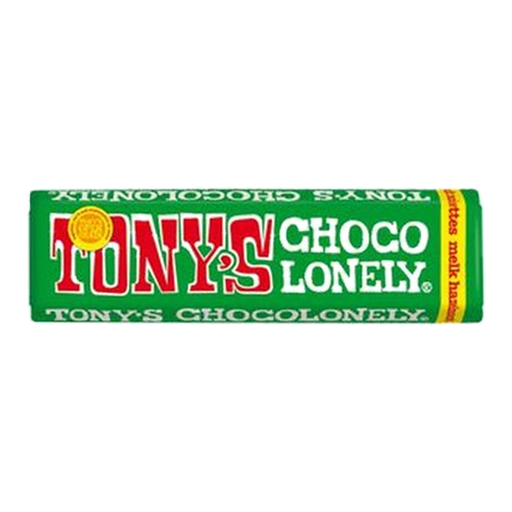 Image unavailable
Worth considering if you’d like a milk chocolate bar with hazelnuts. At 47 g, it’s larger than the 30–37 g examples mentioned above, so check that the portion suits you. If allergens are a factor in your choice, check the labelling of the variety you buy.
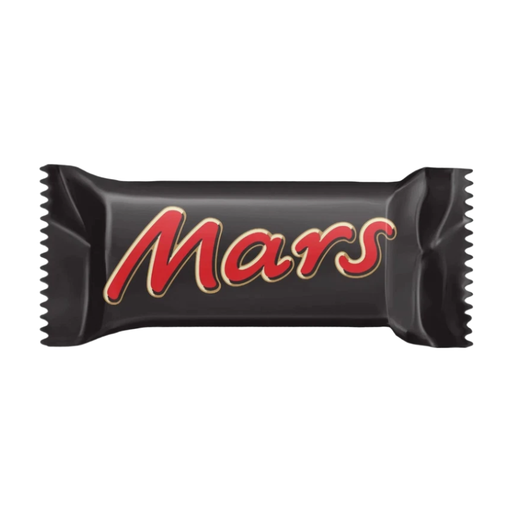 Image unavailable
Worth considering if you’d prefer a caramel-filled bar to plain milk chocolate. This single bar weighs 51 g, so bear that in mind when choosing your portion, and check the ingredients and allergens on the packaging.
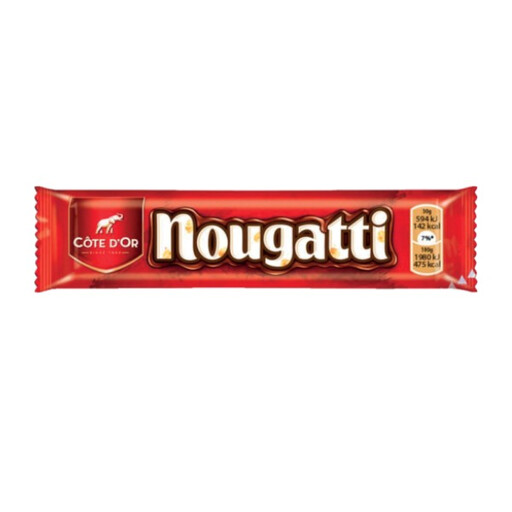 Image unavailable
Worth considering if you’d like a small bar with a hazelnut nougat-style filling rather than plain milk chocolate. The Joybuy France listing gives 40 g of sugars per 100 g and mentions milk and nuts; check the labelling on the bar you buy.
No. According to the European Commission, front-of-pack nutrition labelling is voluntary. If a bar displays a Nutri-Score, use it alongside the other information on the packaging.
No. EU rules on food information cover nutrition declarations and provide for certain exemptions. Nutri-Score is a simplified, voluntary front-of-pack label. To compare two bars, check the nutritional information for each product.
Compare their net weights and recipes, then check the sugars per 100 g on the same basis. Next, take into account how much you’ll eat and check the allergens on each pack.
The levy mentioned by the Ministry of the Economy applies to non-alcoholic drinks, not solid chocolate bars. When choosing a bar, focus instead on its weight, ingredients and labelling.