
Livraison le jour même ou le lendemain

Qualité garantie

Débloquez vos offres de bienvenue: Livraison GRATUITE | Jusqu'à -80 % | 30 jours d'essai gratuits à JoyPlus
Téléchargez l'application
Whether you're a dedicated commuter, a weekend forest trail enthusiast, or an adventurer looking to push your limits on steep paths, choosing a mountain bike (MTB) can quickly become a headache. Between classic models, electric-assist MTBs, the oversized tyres of fat bikes, and folding frames, it's easy to get lost.
As a product selection expert at Joybuy, my mission is to help you make sense of it all. This guide breaks down the essential points to help you find the bike that perfectly matches your riding style and desires, without any unnecessary marketing jargon.
Before we introduce our top picks, here are a few key points to consider to guide your decision.
This is often the first question to ask yourself. The choice depends entirely on your intended use and physical condition.
The size of the wheels directly impacts the bike's handling.
The frame's material and design are crucial for the bike's durability, weight, and practicality.
Here are three models, three philosophies, selected for their versatility and performance.
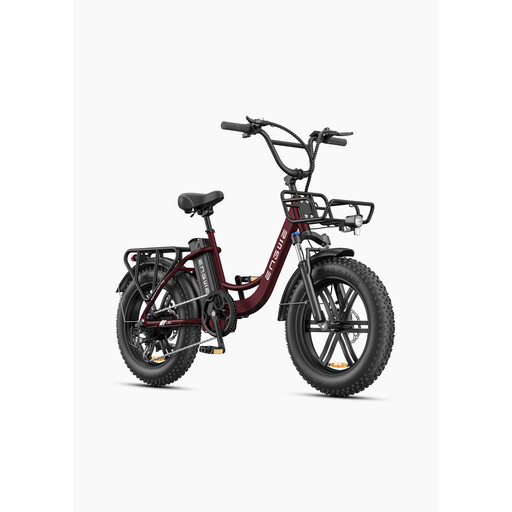
Why it stands out: This electric fat bike combines wide 20?x?4.0-inch tyres with a high-capacity battery (48V 13Ah), for an advertised range of up to 120?km in assist mode. Its low-step (or step-through) frame makes it easy to get on and off, making it accessible for all body types.
Strengths:
Who is it for? For commuters and weekend riders who place comfort and range at the top of their priorities, whether on asphalt or country paths.

Why it stands out: The Engine X is a folding mountain bike that makes no compromises on performance. It takes the features of a fat bike (20?x?4.0-inch tyres) and adds the practicality of a foldable frame and a removable battery.
Strengths:
Who is it for? Perfect for city dwellers short on space, those who combine cycling with public transport, and anyone who likes to take their ride on holiday in the car boot.

Why it stands out: The Freedom 2.1 is a classic MTB that focuses entirely on performance and lightness. With its aluminium frame MTB and 27.5-inch wheels, it's an agile and responsive bike, built for technical trails.
Strengths:
Who is it for? Aimed at athletes looking for a high-performance acoustic MTB for their forest or mountain outings, and who appreciate the pure riding experience and lightness of a non-electric bike.
Red, the colour of passion and performance, adorns some of our flagship models. If this shade resonates with you or if you'd prefer to explore other palettes, take a look at our selection.
Discover our selection of red bikes
A Mountain Bike (MTB) is designed for rough terrain, with knobby tyres, suspension, and a robust frame. A "Vélo Tout Chemin" (VTC), or hybrid bike, is more comfortable than an MTB on the road but can handle light, non-technical dirt paths. Its tyres are generally thinner and its riding position more upright.
Yes, an electric MTB generally weighs 7 to 10?kg more than a classic model, due to the motor and battery. However, the electric assistance compensates so well for this extra weight, especially on climbs, that the perceived effort is often lower.
Regular maintenance is key to your bike's longevity and safety. Here are the essential steps: