Hosts looking to avoid sugary drinks
When serving moules and chips, you’re looking for plain water or a lightly flavoured drink with a sugar content that suits you, rather than a juice drink.


To enjoy moules and chips without choosing a sugary drink, start with plain mineral water, still or sparkling. If you’d prefer a fruity flavour, check the sugar content of the specific product. Mineral content is a separate consideration: compare sodium levels in particular if you need to limit salt, and don’t treat highly mineralised water as a “diet” option.
When serving moules and chips, you’re looking for plain water or a lightly flavoured drink with a sugar content that suits you, rather than a juice drink.
You don’t want flavourings or fizz, and are comparing pack sizes and the mineral content shown on the bottles.
You check calcium, magnesium, sulphates or sodium, particularly if you’ve been given dietary advice about salt.
| What to consider | What to check | Who is it for? |
|---|---|---|
| Sugar-free flavour | For the specific flavour, check the “sugars” per 100 ml and the ingredients list: a flavoured drink isn’t the same as plain water. | I want to avoid a sugary recipe while adding a citrus or fruity note to my moules and chips. Around 42% of consumers prioritise this combination of flavour and no added sugars. |
| Plain still water | Check the water’s description, make sure it contains no flavourings, and choose a pack size that suits the number of guests. | If I prefer a drink without fizz or flavour with my meal, plain still water comes first. This is the top priority for around 33% of consumers. |
| Minerals and sodium | Compare the calcium, magnesium, sulphate and sodium levels shown. If you’ve been advised to limit salt, follow the guidance of the healthcare professional supporting you. | When I choose water for its minerals, or need to keep an eye on sodium, its composition matters more than its flavour or pack size. This is a priority for around 25% of consumers. |
Two drinks from the same brand can have different recipes: Volvic France states that Juicy Citronnade contains 4,5 g of sugars per 100 ml, while the brand describes its Vitamin+ range as sugar-free.
Check the “sugars” per 100 ml and the ingredients for the flavour you plan to buy, rather than relying on the range name.
Minerals don’t tell you whether water meets a sugar-related goal. Anses explains that some mineral waters can have effects depending on their composition, including a possible laxative effect from sulphate-rich waters.
Check the bottle’s calcium, magnesium and sulphate levels if these matter to your choice.
Assurance Maladie notes that some mineral waters can contribute to the dietary salt intake of people with high blood pressure.
Check the sodium content of the product you choose and follow the advice of the healthcare professional supporting you.
Volvic offers natural mineral water and a range of drinks made with mineral water.
Contrex is a natural mineral water whose composition is worth checking if mineral content is a factor in your choice.
Vittel Nature is a natural still mineral water, distinct from the brand’s flavoured drinks.
This supermarket own-label range includes a still lemon-flavoured drink made with mineral water.
The range includes a sparkling lemon drink and Amanda mineral water.
This selection includes sparkling mineral water, a multipack of natural mineral water and a still raspberry-flavoured drink. Choose according to the level of fizz, flavour and pack size you prefer, then check the label on the variant you buy if sugar or mineral content is important to you.
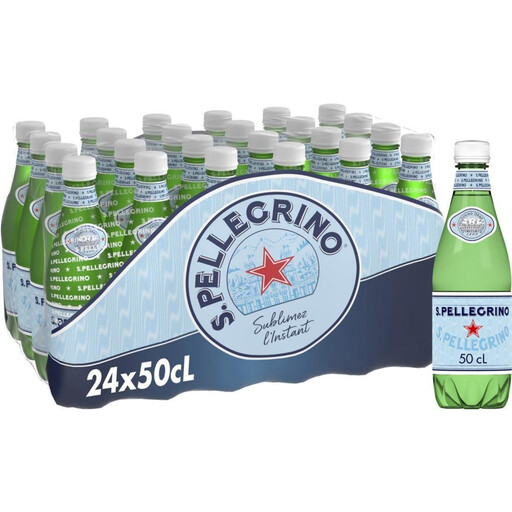 Image unavailable
Serve sparkling water to a group with this pack of 24 bottles, each containing 500 ml. If sodium or other minerals are important to your choice, compare the values on the label.
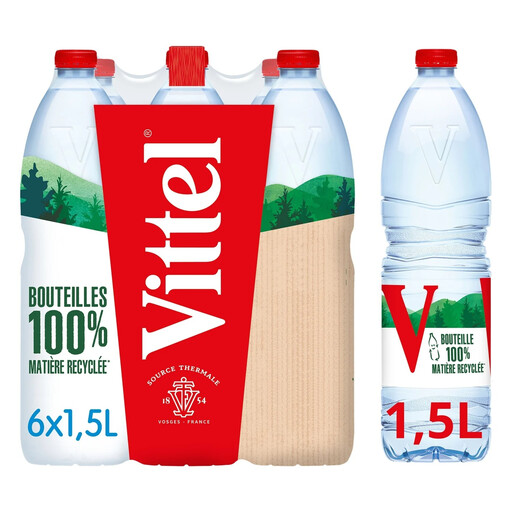 Image unavailable
A large-bottle format for the table, with six bottles of 1,5 L. If you want still water only, check the product description; you can also compare the mineral and sodium content on its label.
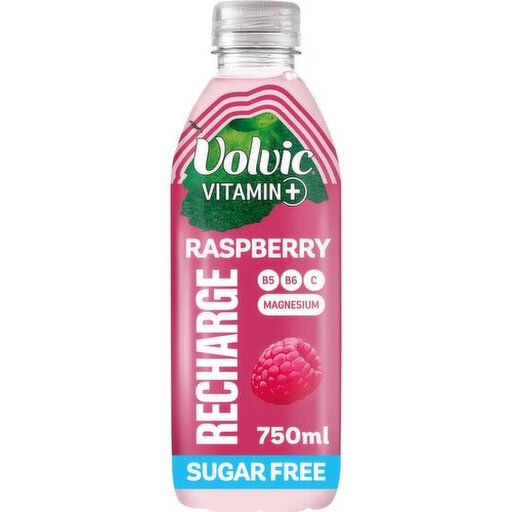 Image unavailable
For anyone who’d prefer a fruity flavour to plain water, in a 75 cl bottle. This flavoured drink contains sweeteners, among other ingredients; check the “sugars” and energy values on the bottle’s label.
No. It may contain flavourings, an acidity regulator or added carbon dioxide. Carrefour, for example, states that its Classic' lemon drink contains citric acid and natural lemon flavouring. Check the product description, ingredients and “sugars” on the label of the one you choose.
No. In this case, the sodium content of the water matters. Assurance Maladie notes that some mineral waters contribute to dietary salt intake. Compare the label and follow the advice of the healthcare professional supporting you.
Follow the storage instructions on the bottle you’ve bought. They apply to that specific product and pack size, so don’t automatically apply the instructions for one flavoured drink to another.