
Livraison le jour même ou le lendemain

Qualité garantie

Débloquez vos offres de bienvenue: Livraison GRATUITE | Jusqu'à -80 % | 30 jours d'essai gratuits à JoyPlus
Téléchargez l'application
Life in a motorhome or converted van is synonymous with freedom. But this freedom relies heavily on the reliability and right choice of your equipment. The right camper van accessory can turn a simple outing into a memorable adventure, while a poor choice can quickly turn the dream into a nightmare. Before you fall for the first marketing gimmick that comes along, let's review the pitfalls to avoid and the criteria that truly matter for equipping yourself properly.
The market for camper van equipment is a jungle of hidden gems and useless gadgets. To avoid getting burned (and emptying your wallet), here are the mistakes to steer clear of.
To make the right choice, focus on the features that truly make a difference on the road.
A compact small appliance is judged by its space-to-efficiency ratio. For an electrical device, the power source is paramount:
Controlling humidity is essential. There are two main solutions:
Beyond design, look at the numbers that matter. For a portable coffee maker, the pressure (in bars) is the true indicator of quality. Aim for 15 to 20 bars to extract a genuine espresso with a rich crema. For an ice maker, the production speed (ice cubes per minute) and noise level (in decibels) are comfort criteria that shouldn't be overlooked.
Rather than a simple product list, we've selected solutions that meet specific needs while sidestepping the pitfalls we've just discussed.
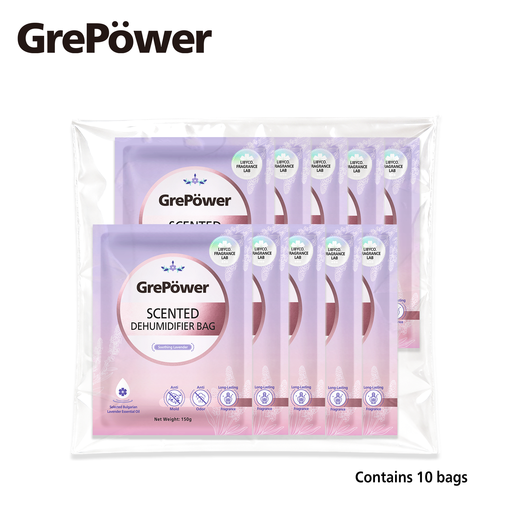
Why it's a smart choice: For anyone who wants a "no-fuss" solution to a recurring problem. It's perfect for maintaining a healthy environment in cupboards and corners of the van without draining the battery.
It bypasses complexity and energy consumption. This is a hyper-specialised product that does one thing: absorb moisture. No battery, no noise, just passive efficiency.
A cost-effective, "set it and forget it" solution. Its hanging design is a real space-saver and allows you to place it right where moisture tends to collect.
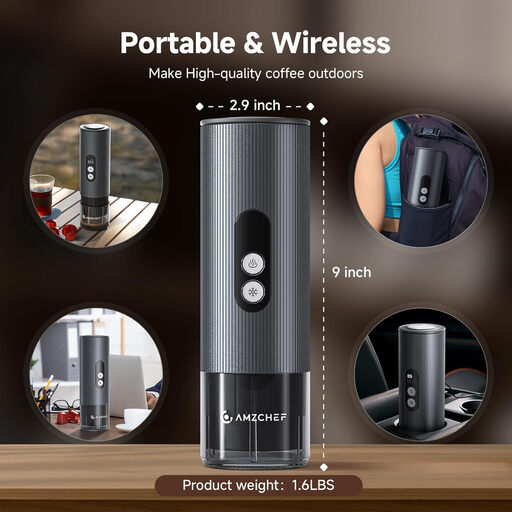
Why it's a smart choice: For those who refuse to compromise on a good espresso, even in the great outdoors. This machine combines a true high-pressure pump and a battery that heats the water, offering complete autonomy.
It ticks all the boxes: it solves the battery life challenge with its 9000 mAh battery and rapid heating. It also avoids the "all-in-one" trap by focusing on a single mission: brewing an excellent espresso.
Its 20 bar pressure, worthy of a countertop machine, guarantees a professional-quality extraction. And its dual compatibility (NS capsules and ground coffee) offers highly appreciated flexibility.
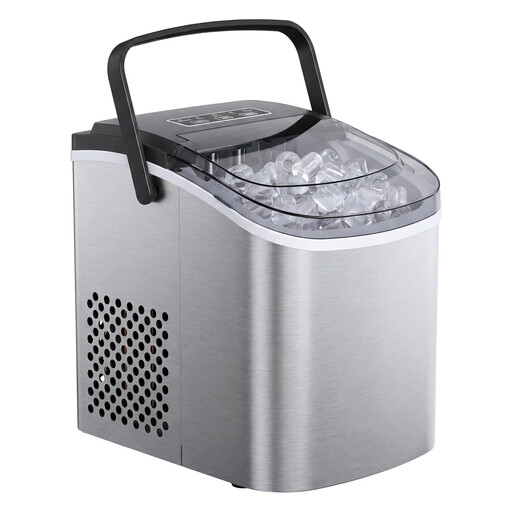
Why it's a smart choice: For the kings of the on-the-go happy hour or those who simply enjoy a cold drink anytime. It brings the comfort of home to the road, without the noise or bulk of bar equipment.
It was designed to be efficient yet discreet. At under 45 dB, it won't disturb the peace and quiet of your living space. Its compact size is tailored for the countertops of vans and motorhomes.
Speed and efficiency: 9 ice cubes in 6 minutes flat. The self-cleaning function radically simplifies maintenance—a detail that makes all the difference in a mobile living space.
Exploring the entire accessories catalogue can quickly become a headache. If you're looking for other smart gear, like a folding camping desk, we've found a selection of products for you that tick all the boxes for quality and practicality.
How long does a motorhome moisture absorber last? The lifespan of an absorber sachet like those from Grepower depends on the humidity level. Generally, it remains effective for several weeks, or even one to two months. It's time to replace it when the crystals have completely dissolved and the collection bag is full.
Does a portable coffee maker really need a built-in battery? It all depends on your use case. If you always have hot water on hand and a 12V outlet nearby, a simpler model might suffice. But a built-in battery that heats the water itself, like on the AMZCHEF model, gives you absolute freedom. It's the ability to make yourself a real, hot espresso at the top of a hike or on a remote beach, far from any power source.
How much electricity does a portable ice maker use? Consumption varies, but a countertop model like Ochama's is designed to be energy-efficient. It runs on mains power (230V) and only consumes energy during its short production cycles (6 to 10 minutes). Its impact on an auxiliary battery (via an inverter) is moderate for occasional use. However, it is ideally used when you are connected to a campsite's electrical hook-up.