
Livraison le jour même ou le lendemain

Qualité garantie

Débloquez vos offres de bienvenue: Livraison GRATUITE | Jusqu'à -80 % | 30 jours d'essai gratuits à JoyPlus
Téléchargez l'application
Whether you're an enduro fan, a downhill mountain biking enthusiast, or simply a safety-conscious daily rider, choosing the right protective gear is a crucial step. With an overwhelming number of options available, it can be hard to know where to start. The goal? To find effective protection that’s so comfortable you’ll forget you’re wearing it, ensuring nothing spoils your ride.
As the Head of Product Recommendations at Joybuy, my role is to decode the market for you. Here, I'll provide clear, practical advice to help you make the right choice, cutting through the often-vague marketing jargon. This guide will review the essential criteria and present a selection of products tailored to every type of activity.
Before comparing models, let's go over the key points that truly make a difference.
The primary mission of a motorcycle protective vest is to absorb and disperse energy during an impact. To be sold in Europe, this gear must comply with CE standards. The most important standard concerns the motorcycle back protector: EN 1621-2. It is available in two levels:
Always check that the shells (elbows, shoulders, chest) are also certified, usually under the EN 1621-1 standard.
A piece of motorcycle armor is only effective if it fits perfectly. If it's too loose, it could shift during a fall, leaving vital areas unprotected. If it's too tight, it will restrict your movement and quickly become uncomfortable.
Pay close attention to the following points:
Your riding style dictates the type of vest you need. A full-body protective jacket is perfect for motocross or enduro, covering the torso, back, shoulders, and elbows. For city riding or sports like skateboarding, a simple back protector or a lightweight vest may be sufficient. Also, consider modularity: some models allow you to remove certain protective elements to adapt to different outings.
We've selected a few standout models, each designed to meet a specific need.
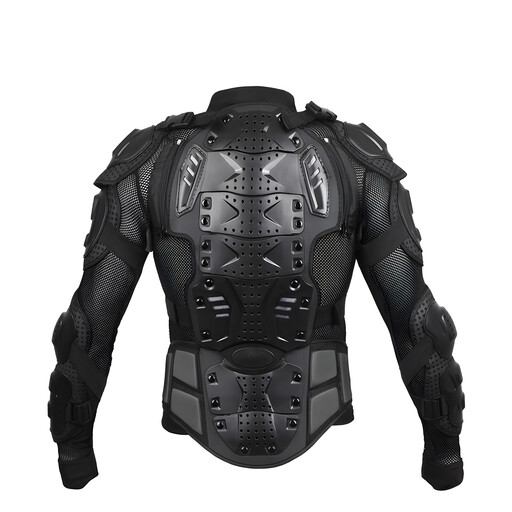
Highlights
This model is designed for complete protection without sacrificing mobility. Its structure includes an articulated, scale-like back protector that follows the body's movements while protecting the entire spine. The shoulder and elbow shells are made of high-resistance nylon, while large reinforcements on the torso absorb frontal impacts. The entire assembly is built on a highly ventilated mesh fabric, with chest vents to optimise airflow.
Pros
Who is it for? Ideal for off-road riders (motocross, enduro), as well as for downhill mountain biking enthusiasts, skateboarders, and other extreme sports where falling is part of the game.
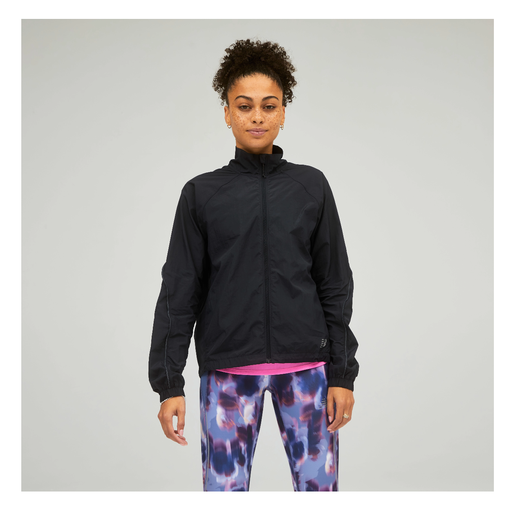
Highlights
Now for something different. Here, the priority isn't impact protection, but rather visibility and shielding you from the elements. Made from 100% recycled nylon, this jacket is an excellent water-repellent windbreaker. Its key feature? It's fully packable, folding into its own waist pack for ultimate convenience. Reflective logos and trim ensure you stay visible in low-light conditions.
Pros
Who is it for? Perfect for running, hiking, or as an everyday backup jacket. Please note: it is in no way a substitute for motorcycle impact protection gear. This is an outer layer designed to protect you from the elements.
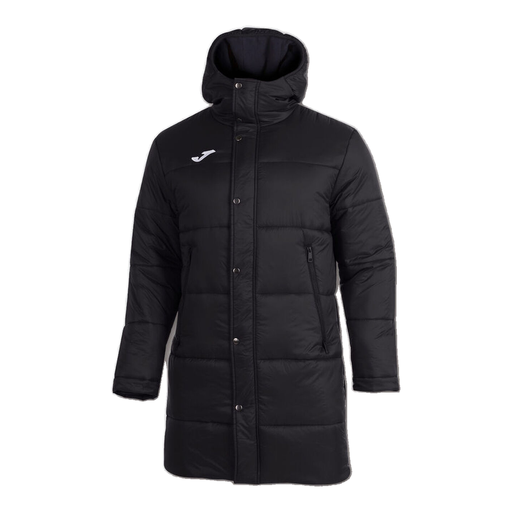
Highlights
When the cold sets in, staying warm is the top priority. This parka is a true barrier against cold and wind. Its design combines polyamide and polyester with a soft fleece lining for maximum warmth and comfort. With its classic style and black colour, it's a versatile staple that's easy to wear all winter long.
Pros
Who is it for? For daily use in cold weather. Ideal for the city or as a warm jacket to throw on after a winter sports session. This is a comfort jacket, not technical impact protection.
Our selection covers a range of needs, from hardcore protection to everyday jackets. To explore a wider range, including versatile black jackets to wear over your gear, take a look at our complete collection.
Discover our collection of black jackets
1. Is a motorcycle protective vest mandatory in France? In France, wearing a certified helmet and gloves is mandatory for the rider and passenger of a motorised two-wheeler. A protective vest, and particularly a back protector, is not mandatory but is still highly recommended. It significantly reduces the risk of serious spinal injuries in the event of an accident.
2. How do I choose the right size for motorcycle armor? Protective armor should be worn close to the body to be effective. Always refer to the manufacturer's size guide by measuring your chest circumference, waist circumference, and considering your height. The gear should neither be loose nor constricting. Ideally, try it on with the base layer you typically wear (for example, a technical t-shirt).
3. Can you wear a protective vest under a standard motorcycle jacket? Yes, absolutely. Most vests and back protectors are specifically designed to be worn under a motorcycle jacket. In fact, this is the most common setup. Just make sure your jacket is loose enough to accommodate the protection without being too tight or restricting your movement.