
Livraison le jour même ou le lendemain

Qualité garantie

Débloquez vos offres de bienvenue: Livraison GRATUITE | Jusqu'à -80 % | 30 jours d'essai gratuits à JoyPlus
Téléchargez l'application
Whether you're a die-hard motocross, enduro, or downhill mountain biking enthusiast, the passion for speed and challenging terrain comes with a non-negotiable requirement?: reliable body armour. Choosing a motorcycle protective vest is no small task. It must protect you effectively without hindering your movement or turning into a sauna. This guide breaks down the essential criteria to help you find the gear that's perfectly suited to your discipline.
Before we review the different models, let's go over the key points that make all the difference. This will help you make an informed choice.
The job of motorcycle protective equipment is simple?: to absorb and disperse energy during an impact. To make sense of it all, protective gear is certified by European (CE) standards. A motorcycle back protector, for example, is rated according to the EN 1621-2 standard, which is broken down into two levels?:
Ensure that the protective shells (shoulders, elbows, chest) also meet the current standards (usually EN 1621-1). A chest protector or full motorcycle body armour logically integrates all of these protective elements.
A good protective vest is a clever blend of several materials?:
A good motocross jacket must therefore strike the perfect balance between the robustness of its shells and sufficient ventilation to keep you comfortable, even during intense exertion.
A poorly-fitting vest can shift during a fall, rendering its protection completely useless. Check that your chosen model offers multiple adjustment points?: shoulder straps, a wide Velcro kidney belt, elasticated cuffs... A precise fit ensures the protection won't move and will properly cover vital areas (elbows, shoulders, spine). For disciplines like MTB protective vests, where the upper body is constantly in motion, flexibility and flawless support are paramount.
Let's get practical with a few models that stand out for their features and meet a variety of needs.
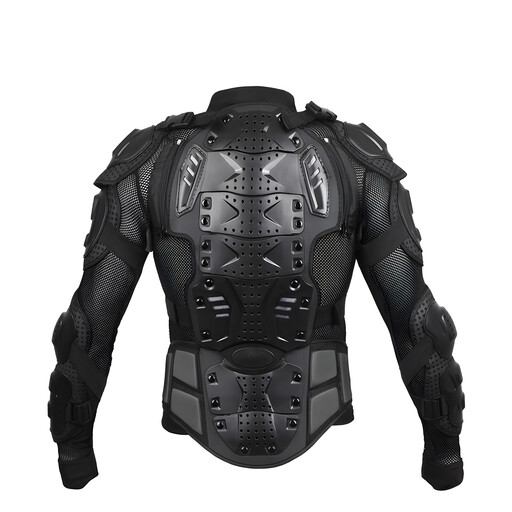
Why it stands out This jacket is true full-body motorcycle armour. It's equipped with protection for the shoulders, elbows, chest, and the entire spine. Its mesh construction ensures breathability, while the segmented and removable back protector guarantees excellent freedom of movement. The wide elastic belt and multiple adjustment straps allow for a custom fit to keep everything in place.
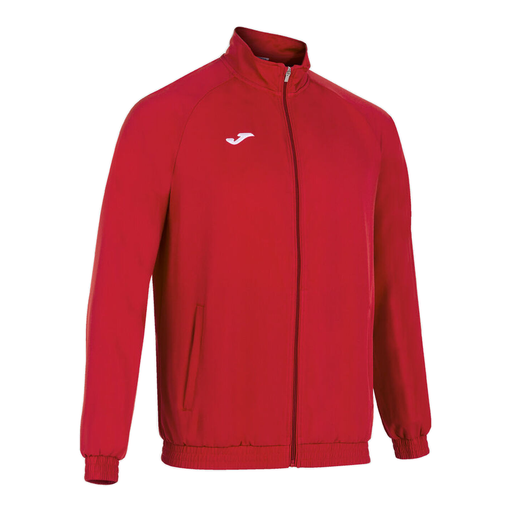
Why it stands out Note: this is not a protective vest, but a technical sports jacket. Made from polyester and elastane, it offers excellent freedom of movement. Its high collar and full-length zip allow you to adjust ventilation. As a practical touch, it features zipped pockets to keep your small items secure.
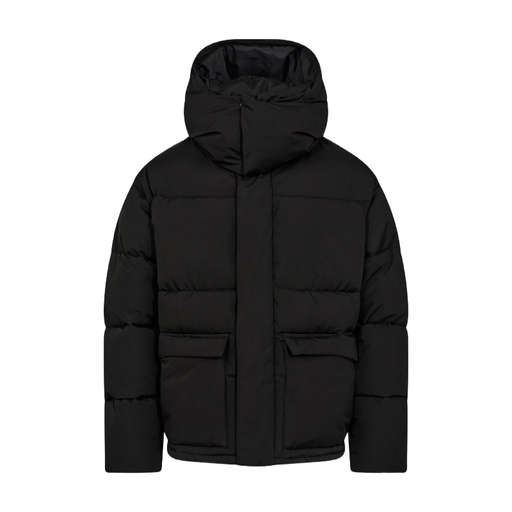
Why it stands out This lightweight 100?% polyester jacket is a functional windbreaker, ideal for mid-season weather. Its understated design with a collar and zip makes it a versatile everyday piece. Being very lightweight, it's also easy to pack.
Our selection is just a glimpse. To explore a wider range of technical jackets, suited for all professional and athletic uses, feel free to browse our full catalogue.
Discover our collection of professional jackets
A standard motorcycle jacket integrates removable armour (elbows, shoulders) and usually has a pocket to add a back protector, which is sold separately. In contrast, a motorcycle protective vest (or body armour) is a dedicated piece of gear worn under a jersey or jacket. It provides much more comprehensive coverage and a firmer hold for the protective elements, integrating a chest protector and a back protector. It's the ideal solution for off-road riding.
Yes, absolutely. Many models, especially full-body armour, are perfectly versatile. An MTB protective vest meets the same requirements as a motocross model?: protection, flexibility, and breathability. Just make sure the model you choose doesn't restrict the wide range of motion typical of mountain biking, whether you're pedalling or steering.
Most modern vests are designed to be easy to maintain. The golden rule?: remove all hard shells and foam pads before washing the fabric chassis. The chassis can usually be hand-washed in cold water with a mild detergent. Let it air-dry away from direct sunlight or heat sources to preserve the fabric's elasticity. In any case, always refer to the manufacturer's label for specific instructions.