
Livraison le jour même ou le lendemain

Qualité garantie

Débloquez vos offres de bienvenue: Livraison GRATUITE | Jusqu'à -80 % | 30 jours d'essai gratuits à JoyPlus
Téléchargez l'application
Whether you're into motocross, enduro, or downhill mountain biking, the quest for adrenaline comes with a non-negotiable requirement: safety. A quality motorcycle protective vest is the cornerstone of your gear. However, the market is flooded with marketing promises that can easily lead to a poor choice. Before you gear up, it's crucial to know how to sidestep the common traps that threaten both your safety and your wallet.
Here are the two most common mistakes when buying a protective vest:
To cut through the noise, focus on the objective features that define the quality and effectiveness of motorcycle safety gear.
CE certification is your primary seal of approval. It guarantees that the product has successfully passed European standard tests. For protective vests, the key standards to know are:
Each standard is available in two performance levels:
The presence of these markings is a non-negotiable prerequisite.
A good protective vest intelligently combines several materials:
A vest's effectiveness depends on how well it stays in place. It must remain perfectly positioned, no matter what. Look for the following features:
Rather than an endless list, we've selected models tailored to specific profiles, based on the safety and functionality criteria we've just covered.
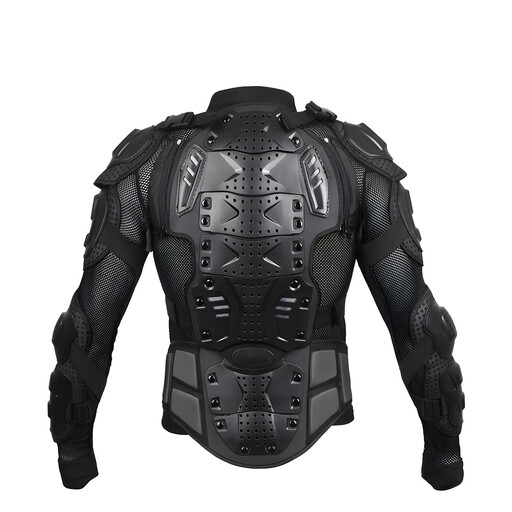
Why we chose it: For starting out in motocross or enduro, this gear offers complete protection (back, chest, shoulders, elbows) in a cohesive and affordable package, saving you from buying each piece separately.
With its numerous adjustment straps (shoulders, arms) and wide waist belt, it solves the problem of a poor fit. The vest stays put, even on the roughest terrain.
Its articulated back protector offers excellent flexibility, moving with the rider without ever exposing the spine.
Why we chose it: Perfect for those who juggle multiple high-impact sports (downhill MTB, skating, etc.). Its light weight and modularity allow you to adjust the level of protection for the day's session.
Its ultra-breathable mesh fabric and chest plate vents directly combat overheating, a key factor in endurance sports like mountain biking.
The chest plate and back protector are removable. This means you can wear it in a lighter configuration (just elbow and shoulder pads) or as full body armor.
Why we chose it: Seasoned riders look for flawless protection that doesn't restrict their movement. This model combines extensive coverage with a flexible design, ideal for the dynamic riding style of enduro.
Its articulated, scale-like back protector allows for a wide range of motion, avoiding the restrictive "straitjacket" feel of an overly rigid chest protector.
The sleeves with thumb loops keep the elbow pads perfectly in place. It's a detail that makes all the difference in a fall, where the arms often take the brunt of the impact.
We have compiled a complete and up-to-date selection of products that meet our selection criteria and current safety standards.
How do I choose the right size for my protective vest? The golden rule: rely on the manufacturer's size guide, which usually combines your height, weight, chest, and waist measurements. A protective vest should be worn very close to the body, over a simple technical t-shirt. If it's loose, the protectors won't stay in place. Take the time to measure yourself with a tape measure; it's the best way to ensure a good fit.
Can I wash my protective vest? Yes, and it's essential for hygiene and the longevity of the vest. On most quality models, all the protective shells and foam pads are removable. Once the vest is "stripped down," the mesh fabric can be hand-washed in cold water with a mild detergent. Then, let it air dry, and most importantly, keep it away from radiators or direct sunlight.
Are protective vests legally required? On the road, legal requirements vary by region, but typically only a certified helmet and gloves are mandatory. However, for any motocross or enduro competition (like those sanctioned by the FIM or AMA), wearing back and chest protection is required by the rules. But beyond regulations, it's an essential piece of safety equipment for any off-road outing, even for casual riding.