
Livraison le jour même ou le lendemain

Qualité garantie

Débloquez vos offres de bienvenue: Livraison GRATUITE | Jusqu'à -80 % | 30 jours d'essai gratuits à JoyPlus
Téléchargez l'application
Whether you're shredding downhill MTB trails, exploring enduro paths, or pushing your limits in motocross, choosing the right motorcycle body armour is a decisive step for your safety. Faced with an overwhelming number of options, it's easy to fall into common traps that can compromise your comfort and, worse, your protection. Ill-fitting gear is at best an annoyance, and at worst, a danger.
Before you start, let's identify the two most frequent mistakes made during purchase?:
This guide provides everything you need to make an informed choice, focusing on the features that truly matter.
To navigate the jungle of options, you need to master a few technical points. Forget the marketing jargon?: here's what really defines the level of safety and comfort of your protection.
Certification is the only truly objective indicator of protection level. A vest worthy of the name must integrate protectors certified according to European standards. Here are the most important ones to check for?:
The presence of these markings guarantees that the shells and foams have passed standardised impact tests. This is a non-negotiable criterion for any off-road protective gear.
Effective full motorcycle body armour combines several materials to blend safety with ease of movement.
It bears repeating?: a vest that isn't perfectly adjusted is a useless vest. Check the presence and quality of the adjustment systems?:
Rather than an endless list, we have identified user profiles and selected gear that meets their specific needs, applying the safety and functionality criteria we've just covered.
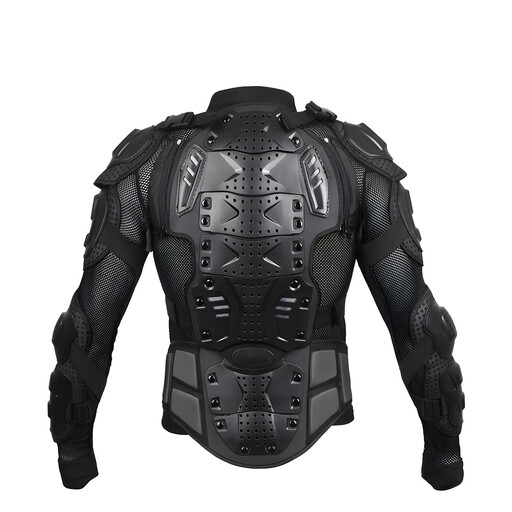
Why it's for you : Ideal for those who engage in multiple high-risk sports (off-road motorcycling, MTB, skateboarding). Its lightweight design and breathable mesh structure make it comfortable for efforts of varying duration and intensity, without compromising on essential protection.
Its mesh fabric structure and chest vents directly combat the overheating trap. The multiple adjustable straps and wide belt ensure a firm fit, preventing the protectors from slipping.
Full protection (shoulders, elbows, chest, back) in a single piece of equipment. The articulated "scale-like" back protector offers excellent freedom of movement for the rider.
Why it's for you : For intensive riding, full coverage is paramount. This vest integrates robust protectors for all exposed areas, with an extended back protector that covers the spine with no gaps—an essential feature in off-road riding.
It ticks the secure fit box thanks to its wide lumbar belt and thumb loops, which ensure the armour stays in place even during wide movements and vibrations on rough terrain.
The elbow and shoulder protectors are made of high-resistance, wear-proof nylon, providing exceptional durability against the scuffs and tears common in enduro.
We have curated a full range of products that meet our strict selection criteria and current safety regulations.
Most manufacturers recommend replacing a protective vest every 5 years, even without a crash. The materials, especially the impact-absorbing foams, can lose their effectiveness over time due to UV exposure and temperature fluctuations. You must replace your gear after any significant impact, even if no damage is visible.
Regular maintenance extends the life of your vest and ensures perfect hygiene. Most models, like the ones featured, have removable protectors. Once the shells and foams are taken out, the textile part can usually be hand-washed in cold water with a mild detergent. Then, let it air dry away from direct sunlight and any heat source. Never put it in a tumble dryer.
Yes, the majority of "armour"-style vests are designed to be worn under a motocross jersey or a looser motorcycle jacket. They then replace the jacket's original protectors (which are often less comprehensive). Our advice?: try it on with the jacket you usually wear to ensure the combination remains comfortable and does not restrict your movements.