
Livraison le jour même ou le lendemain

Qualité garantie

Débloquez vos offres de bienvenue: Livraison GRATUITE | Jusqu'à -80 % | 30 jours d'essai gratuits à JoyPlus
Téléchargez l'application
Whether you're a motocross rider, an enduro enthusiast, or a dedicated mountain biker, upper body protection is non-negotiable. But with a vast array of options, how do you choose the right motorcycle body armor?? Between the different protection levels, comfort, ventilation, and fit, it's easy to get lost. This guide breaks down the essential criteria to help you find the perfect gear for your discipline, without falling for marketing ploys.
Before you buy, it's crucial to understand the features that define quality body armor. To ensure you make the right choice, let's review the key points that make all the difference.
The primary role of body armor is to absorb and disperse impact energy. To guarantee their effectiveness, all protective gear must comply with European standards. Look for the CE mark, which certifies a minimum level of performance.
A full protection jacket combines all these elements into a single unit, offering complete and integrated upper body protection.
Protection is only effective if it fits perfectly and stays in place. Armor that is too loose will shift during a fall, rendering its protective shells almost useless.
Intense riding means heat and sweat. Good ventilation is therefore essential for comfort, especially during long summer sessions. Modern armor combines highly breathable fabrics and perforated shells to maximize airflow.
Some models also offer great versatility. A quality downhill MTB protection suit shares many features with motocross armor, making it a smart investment if you participate in multiple disciplines.
To put theory into practice, here are a few products that perfectly illustrate these different criteria.
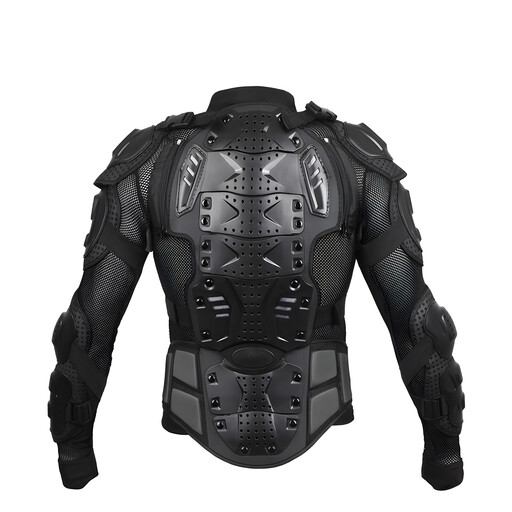
Why It Stands Out
This full protection jacket is built for the most demanding off-road disciplines. It combines a robust PE outer shell with EVA foam reinforcements, all mounted on an ultra-breathable mesh fabric chassis. Its articulated back protector design offers excellent freedom of movement, a decisive advantage for technical riding.
Pros
Who Is It For??
This type of armor is ideal for riders in motocross, enduro, or trail riding, as well as for downhill mountain bikers or skaters looking for complete and reliable body protection.
The word "vest" isn't just for motorcycling. It refers to a wide range of products with the same goal: to ensure the user's safety, whatever the context.
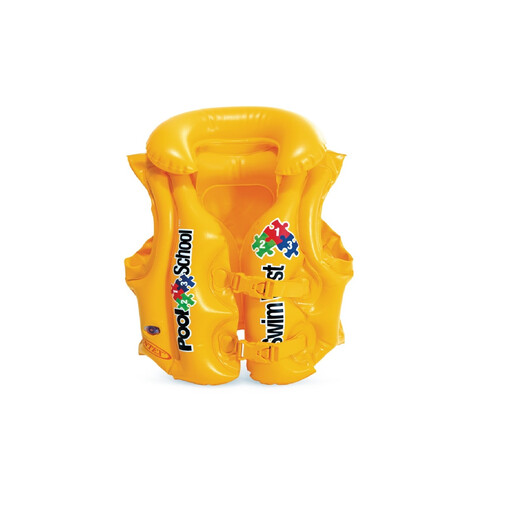
Why It Stands Out
Designed for children aged 3 to 6, this flotation vest is perfect for helping them build confidence in the water. Its bright yellow color ensures maximum visibility for parents. Please note, this is not a life jacket, but a buoyancy aid to be used under constant adult supervision.
Pros
Who Is It For??
For young children (19-30 kg) discovering the joys of swimming in shallow water, always under the watchful eye of an adult.
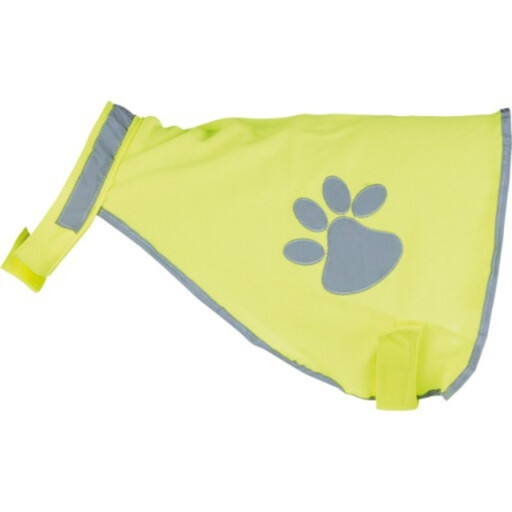
Why It Stands Out
Safety isn't just for humans! This dog vest makes your companion perfectly visible during night walks or in low-light conditions, thanks to its neon color and reflective stripes.
Pros
Who Is It For??
For owners concerned about the safety of their medium-sized dog during walks in foggy weather or at dusk.
Our selection is, of course, just a starting point. Every rider has specific needs regarding size, riding style, or budget. If your perfect model isn't here, feel free to browse our complete collection of vests to discover a wider range of products and brands.
1. What's the difference between a roost guard and a full protection jacket??
A roost guard (or chest protector) focuses on protecting the torso and shoulders from debris (rocks, branches). It is often lighter and better ventilated. A full protection jacket, on the other hand, adds protection for the elbows, forearms, and a certified back protector. It offers much more comprehensive coverage, making it safer motocross body armor in the event of a crash.
2. How do I choose the right size for my motorcycle body armor??
Rely on the manufacturer's sizing guide, which is based on your height, weight, chest, and waist measurements. Body armor should be worn very close to the body, ideally over a simple base layer or technical t-shirt. It should not restrict your movement or feel loose. Pro tip?: once it's on, move around as you would on the bike to check that the protectors don't slip.
3. Is motorcycle body armor mandatory??
In many regions, full body armor is not legally required for on-road riding, unlike a certified helmet and gloves. However, it is almost always mandatory for racing and is highly recommended for any off-road activity (enduro, motocross). It is a safety feature as fundamental as the back protector itself.