
Livraison le jour même ou le lendemain

Qualité garantie

Débloquez vos offres de bienvenue: Livraison GRATUITE | Jusqu'à -80 % | 30 jours d'essai gratuits à JoyPlus
Téléchargez l'application
Watching your child grow, explore the world, and gain confidence is one of a parent's greatest joys. And the toys you choose play a key role in this adventure. Far more than a simple pastime, a good motor skills toy is a powerful ally in supporting your child's psychomotor development.
The only problem is, with a nearly endless selection of options, making the right choice can be difficult. This guide is here to give you clear benchmarks and practical advice to find a toy that is safe, appropriate, and truly beneficial for your little explorer.
Before diving into our top picks, let's review the essential criteria for making an informed choice, always in compliance with French and European safety standards.
A toy's safety is non-negotiable: it is THE number one criterion. Always be sure to check the following points:
A toy that's too simple will bore them; one that's too complex will frustrate them. The art is in finding the sweet spot: a challenge that is stimulating, but still within their reach.
Let's not forget the most important thing: a toy must, above all, be fun! The developmental benefits for the child should flow naturally from the pleasure of playing. A good dexterity game is one that makes them laugh. It's by having fun aiming, jumping, or building that a child learns and progresses, without even thinking about it.
Now that we've covered the basics, here is our selection of toys that check all the boxes: fun, safety, and developmental potential.
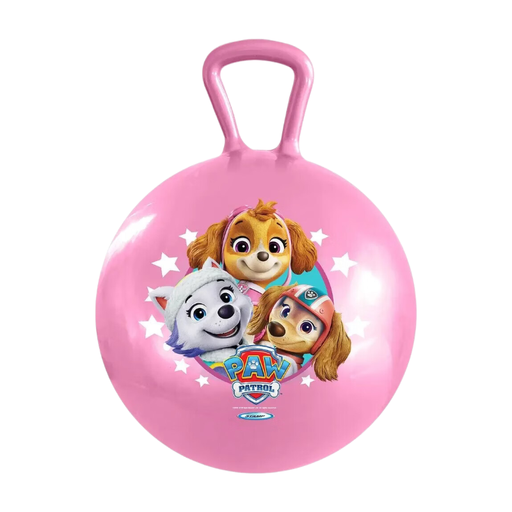
Why we love it: This hopper ball combines an energy-burning physical activity with the ultra-popular world of Paw Patrol. Its design emphasizes safety: the closed handle ensures a stable grip, and its anti-burst system guarantees slow deflation in case of a puncture. No more sudden falls!
Key features:
Who is it for?: For kids ages 3 and up who are bursting with energy and love the famous canine crew. An excellent kids' balance toy that's equally at home indoors or outdoors.
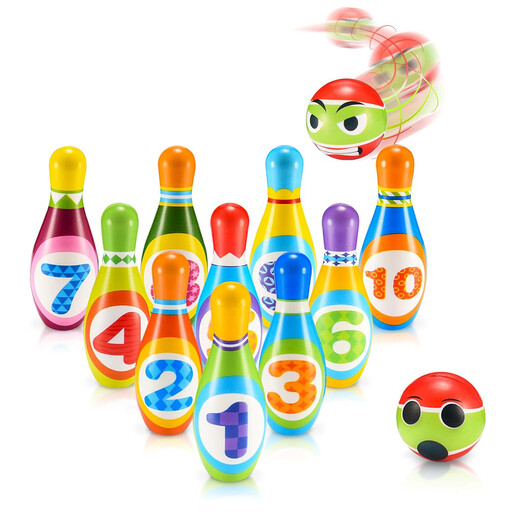
Why we love it: This foam bowling set is the perfect introduction to dexterity games. Its soft, lightweight material makes it 100% harmless for kids, furniture, and hardwood floors! The added bonus? The numbers on the pins, which add an educational touch by familiarizing young ones with numbers.
Key features:
Who is it for?: For children from 1 to 6 years old. It's the perfect dexterity game for rainy days or for sharing a quiet, stimulating playtime with the family.
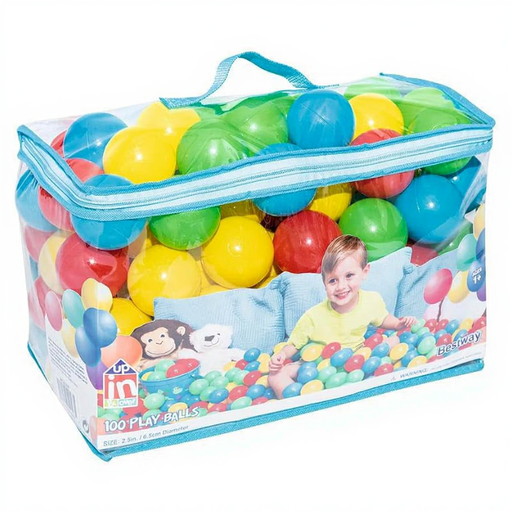
Why we love it: A timeless classic whose strength lies in its simplicity and incredible versatility. These 100 ball pit balls transform any space (a playpen, a small pool, or even the bathtub) into a fun, colourful, sensory play area. They are designed to last and ensure the safety of toddlers.
Key features:
Who is it for?: For babies and young children from 1 year old. A must-have for setting up a ball pit at home, learning to sort colours, practising throwing, and developing fine motor skills.
Of course, our selection is just a glimpse of the possibilities for stimulating your child's motor development through play. Because every child is unique, your needs are too.
To discover an even wider range of games, including our very popular blue balls for ball pits and many other developmental toys, feel free to explore our full category.
Explore more motor skills toys
Motor development begins at birth! So you can introduce toys very early, as long as you adapt them to each major milestone. A newborn will explore a rattle (fine motor skills), a crawling baby will have fun with soft balls, and a child who has mastered walking will love to push or pull a toy. In short: there's no age to start, just a toy to adapt.
Gross motor skills use large muscle groups for whole-body movements: running, jumping, crawling... A hopper ball is the perfect example of a toy that engages them. Fine motor skills, in contrast, involve small muscles (hands, fingers) for precise actions: picking up a small object, drawing, and later, tying shoelaces. Handling ball pit balls or aiming with a bowling set are excellent exercises for refining them.
Beyond the CE marking and recommended age, remember to inspect toys regularly for any wear or broken parts. For the youngest children, adult supervision remains the best prevention. Finally, don't forget to secure the play area itself: a clear floor, away from stairs and sharp furniture corners.