
Livraison le jour même ou le lendemain

Qualité garantie

Débloquez vos offres de bienvenue: Livraison GRATUITE | Jusqu'à -80 % | 30 jours d'essai gratuits à JoyPlus
Téléchargez l'application
Whether you're a seasoned enduro rider, a downhill mountain biking enthusiast, or a passionate motocross racer, choosing a protective vest is a critical decision that shouldn't be taken lightly. Faced with an overwhelming array of available models, it's easy to fall into marketing traps. This guide is designed to give you clear benchmarks for selecting gear that is genuinely right for you, focusing on safety and comfort above all else.
The market is flooded with products making tempting promises. But be warned: some overhyped features or design flaws can render gear ineffective, or even dangerous. Here are the most common pitfalls to be aware of.
To make the right choice, you need to rely on objective technical criteria. Here are the three points to check scrupulously before you head to the checkout.
In Europe, protective equipment for motorcyclists is governed by the EN 1621 standard. It is divided into several parts for each body area (back, chest, limbs). You will generally find two levels of protection:
Ensure that the motorcycle back protector and, ideally, the other shells (elbows, shoulders, chest) clearly display their certification level. An enduro chest protector or a motocross roost deflector without this information offers no certified safety guarantee.
A vest's performance depends on the combination of rigid shells and the textile chassis.
Full motorcycle body armour must fit your body shape perfectly. Pay close attention to the following features:
Rather than an endless list, we've selected products tailored to specific user profiles, based on our criteria for safety and versatility.
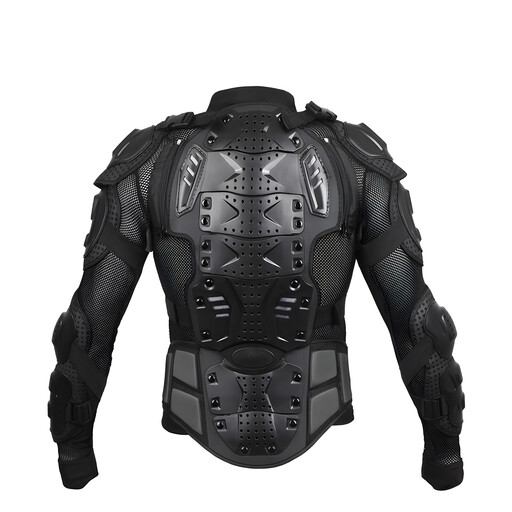
Why we chose it : Ideal for enduro or quad riders looking for complete, adaptable protection without breaking the bank. Its versatile design makes it equally at home on a trail ride or a motocross track.
This vest incorporates a wide kidney belt and multiple adjustment straps, preventing it from shifting. Its mesh fabric chassis and chest vents effectively combat the "pressure cooker" effect.
Its articulated and removable back protector offers excellent freedom of movement and highly appreciated modularity to adapt the protection to the day's ride.
Why we chose it : Perfect for downhill mountain bikers (DH), BMX riders, or skaters who demand robust upper body protection. Its flexible design preserves a good range of motion, which is crucial in these disciplines.
The segmented, "carapace-style" back protector and mobile waist ensure flawless coverage, even during flexes and twists, leaving no area exposed.
The ultra-abrasion-resistant nylon shoulder and elbow pads are a real asset during slides on hard surfaces like bike parks or asphalt.
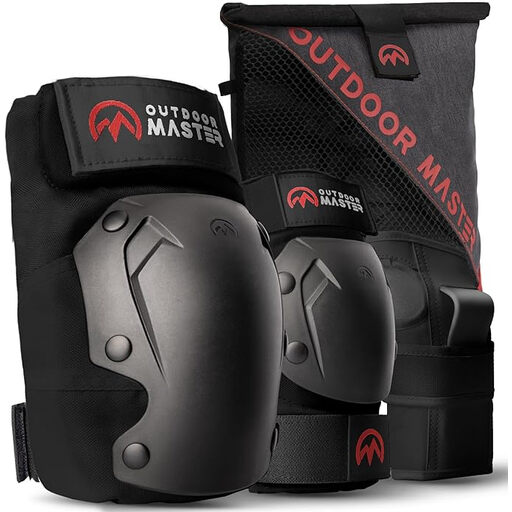
Why we chose it : Designed for those starting out in skateboarding, rollerblading, or scootering who want targeted protection for their joints. This all-in-one kit is the simplest and most accessible solution to get started safely.
Unlike entry-level pads, this kit features rigid ABS shells and wide elastic hook-and-loop straps. The result: a reliable fit that doesn't budge an inch.
The pack includes knee pads, elbow pads, and wrist guards—the essential trio for protecting the most exposed limbs. The included carrying bag is the cherry on top.
For urban sports, good protection is non-negotiable. Discover our complete selection of gear that ticks all the boxes for safety and comfort.
Sizing is the number one criterion for ensuring your protection is effective. A vest that's too large will shift on impact, while one that's too small will be uncomfortable and won't cover vital areas. Always refer to the manufacturer's size guide, which considers your height, weight, chest, and waist measurements. A well-fitted vest should be worn close to the body, without ever hindering your breathing or movement.
Yes, that's entirely possible and even a common practice. Many vests, especially modular models, are designed to be versatile. For mountain biking, where physical exertion is more intense, you'll appreciate being able to remove the shoulder pads or chest plate to gain lightness and ventilation, while keeping the essential back protector. Just make sure the model you choose allows for perfect freedom of movement.
Proper maintenance extends the life of your gear and ensures perfect hygiene. If your vest is dismantlable, remove all protective shells and foam pads. Wash the textile part by hand in cold water with a mild detergent. Above all, no washing machine or tumble dryer, as they could damage the elastic fibres. Let it air dry, away from direct sunlight. Also, remember to inspect the shells after every major crash to check for any cracks.