
Livraison le jour même ou le lendemain

Qualité garantie

Débloquez vos offres de bienvenue: Livraison GRATUITE | Jusqu'à -80 % | 30 jours d'essai gratuits à JoyPlus
Téléchargez l'application
Whether you're navigating in the dark, fumbling for your keys on the doormat, or securing the perimeter of your home, a motion sensor light seems like the ideal solution—both simple and effective. Yet, the market is flooded with products making flattering promises that often disappoint in practice. To avoid buyer's remorse, it's crucial to know how to sidestep the most common pitfalls and invest in lighting that will truly deliver on its promises of comfort, security, and energy savings.
As the Head of Product Selection at Joybuy, my mission is to help you see things more clearly. Here are the key points to watch out for and the criteria to examine to make the right choice.
An attractive price and a supposedly simple installation often hide deal-breaking flaws. Here are the most frequent disappointments.
To ensure you make the right decision, everything comes down to a few technical specifications that determine your light's performance and durability.
The choice of power source depends entirely on your intended use.
This two-digit code is crucial, especially for outdoor use.
For an outdoor sensor spot installed in a sheltered area (under a porch or eave), an IP44 rating is the bare minimum. For an installation directly exposed to the elements, aim for an IP65 rating or higher for complete peace of mind.
These two parameters are crucial; they determine the real-world effectiveness of your lighting.
Rather than looking for a single one-size-fits-all product, it's wiser to choose a model tailored to a specific use.
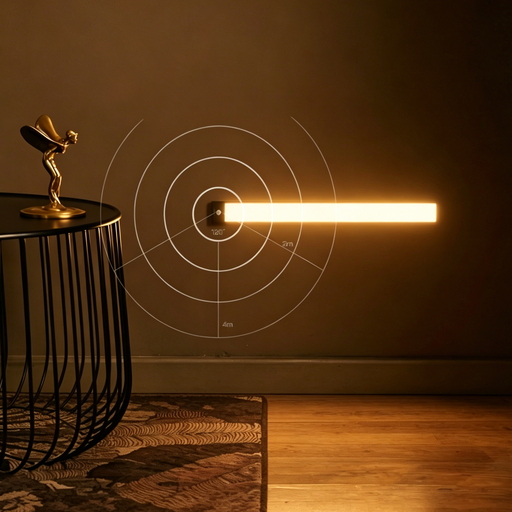
Why it's the right choice: Perfect for those seeking a set-it-and-forget-it solution for closets, wardrobes, or pantries. Its magnetic installation requires no tools, and its slim design makes it very discreet.
Designed for intermittent use (like opening a door), its battery isn't overtaxed. The result: a real and reliable battery life that saves you the headache of constant recharging.
Effortless magnetic installation and USB charging. Its sensor, optimized for enclosed spaces, reacts in an instant upon opening.
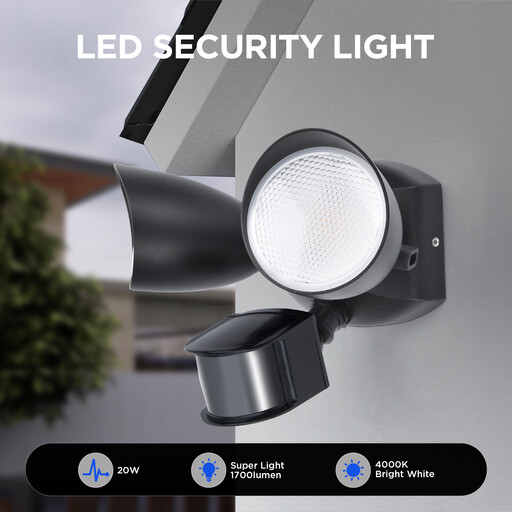
Why it's the right choice: Ideal for homeowners or renters looking to secure an entryway, garden, or garage. Its power and robust design are built for deterrence and illuminating large areas.
As a wired model, it permanently solves the battery life issue. Its 1700-lumen output and adjustable heads eliminate the "false sense of security" trap by ensuring wide and truly deterrent illumination.
Weather-resistant (IP54) and robust design, built for the outdoors. Its two light heads are fully adjustable to direct the beam with precision.
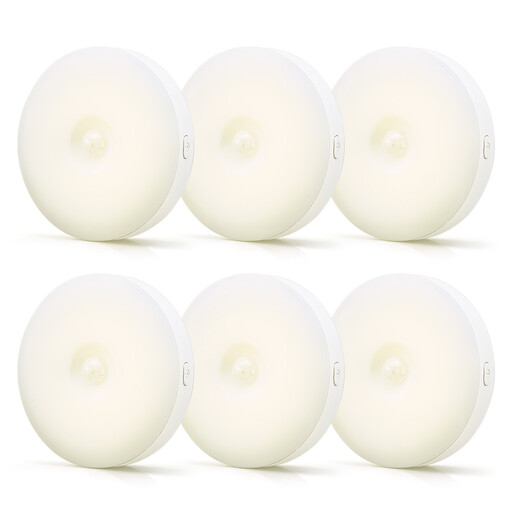
Why it's the right choice: For those who need to light multiple pathways (stairs, hallways, bathrooms) without breaking the bank. This set of six rechargeable night lights offers unbeatable flexibility at a controlled price point.
The multi-pack format is a smart move: it allows you to dedicate each light to moderate use, thus preserving the battery. You bypass the battery life pitfall by distributing usage and rotating units during charging.
Unbeatable value for money. The 6-pack, each with 3 light tones and an adhesive magnetic mount, allows you to cover multiple needs with a single purchase.
Explore our full selection of products that meet our strict selection criteria and current safety standards.
The lifespan of LEDs is very long, often exceeding 20,000 hours. The weak link is usually the battery in rechargeable models, or the sensor itself. A quality wired model can easily operate for more than 5 to 10 years. For a USB-rechargeable light, expect the battery to maintain good performance for 2 to 4 years, depending on usage frequency and charging cycles.
Most quality outdoor spots allow you to adjust three settings:
At first glance, a battery-powered model may seem cheaper. However, the recurring cost of batteries (especially quality ones) adds up quickly and soon surpasses the purchase price of a USB-rechargeable light. Over a year or two, the rechargeable model is therefore almost always more economical and more convenient, not to mention its much better environmental footprint.