You’re not sure what she likes
Look for aromatic notes she might enjoy and check which format she uses, rather than choosing a very strong coffee based on its intensity rating alone.


Before choosing an espresso blend, check what your recipient’s machine can use. Whole beans need a grinder, while ground coffee must suit her brewing method. If you’re not sure what she likes, a well-balanced, aromatic coffee is a safer choice than a very strong one. Save intense profiles for someone whose preferences you already know. Intensity scales vary between brands and don’t directly measure caffeine content.
Look for aromatic notes she might enjoy and check which format she uses, rather than choosing a very strong coffee based on its intensity rating alone.
Whole beans are a good choice if she has an integrated grinder or a separate coffee grinder. Without a way to grind them, she won’t be able to use this format straight away.
If she already likes woody, smoky or cocoa notes, a blend described as intense may suit her tastes. Be sure to check the details of the specific product you choose.
Start with a format that works with her machine, then choose a flavour profile based on what you know about her preferences. The blend and tasting notes tell you more about the gift than comparing intensity ratings across brands.
| What to consider | What to check | Who is it for? |
|---|---|---|
| Flavour profile | Check the blend and tasting notes for the exact product. Don’t assume that 100% Arabica automatically means a mild flavour. | When I don’t know her preferences well, I want to avoid a coffee with an overpowering character she might not enjoy. Around 29% of consumers would put this caution about flavour first. |
| Machine and format | For whole beans, check that she has a built-in or separate grinder. For ground coffee or capsules, check that the stated preparation method or system is suitable. | If I don’t know what machine she has, I mainly want to give her a coffee she can prepare. Compatibility would be the top priority for around 29% of consumers. |
| Preferred intensity | Compare ratings within the same range and check the tasting notes too. An intensity rating doesn’t tell you the caffeine content. | When I know she likes either strong or more delicate espressos, I want to find a coffee with a similar profile. Almost 24% of consumers would make this their main criterion. |
| Pack size | Choose an amount that suits how much coffee she drinks and follow the storage instructions on the pack. | If she doesn’t drink much coffee or I’m trying a new blend, I’d rather choose an amount she can use at her own pace. This would be the first consideration for around 18% of consumers. |
Carte Noire describes intensity as an indication of aromatic character and, for some products, uses a scale that goes up to 13. Other brands’ ratings can’t be compared directly with this scale, and they don’t indicate caffeine content.
Compare products within the same range, then check their blends and tasting notes.
Whole beans need to be ground before brewing, so a coffee maker without a grinder isn’t enough on its own.
Check that she has a grinder, either built in or separate. If not, look for ground coffee with a preparation method that suits her machine.
Without a grinder, she would need extra equipment to use this gift.
A 1 kg pack may not be suitable for someone who rarely drinks coffee or whose preferences you don’t know.
Choose an amount that suits her habits and check the product’s storage instructions.
The brand offers espresso in whole-bean and ground formats, with recipes made from 100% Arabica or a blend of Arabica and Robusta.
The brand’s range includes Espresso Intenso, a ground coffee made from 100% Arabica.
The whole-bean espresso range includes 100% Arabica coffees and Arabica/Robusta blends.
The Barista Blend is a whole-bean espresso blend available in a large pack.
The range from E.Leclerc includes whole-bean and ground coffees, with a variety of recipes and pack sizes.
The brand’s range includes a 500 g pack of 100% Arabica espresso beans.
These products come in different formats for an espresso gift: whole beans to grind or capsules designed for a specific system. First choose a format that works with your recipient’s machine, then consider her known preferences and the amount of coffee she’ll need.
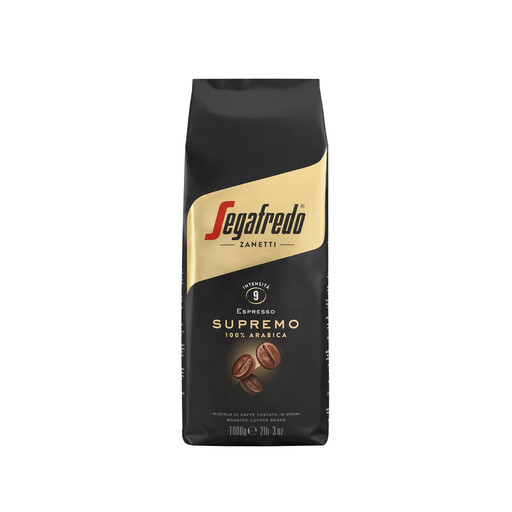 Image unavailable
Worth considering if your recipient uses whole beans and drinks enough coffee to get through a 1 kg pack. Check that she has a built-in or separate grinder before choosing this format.
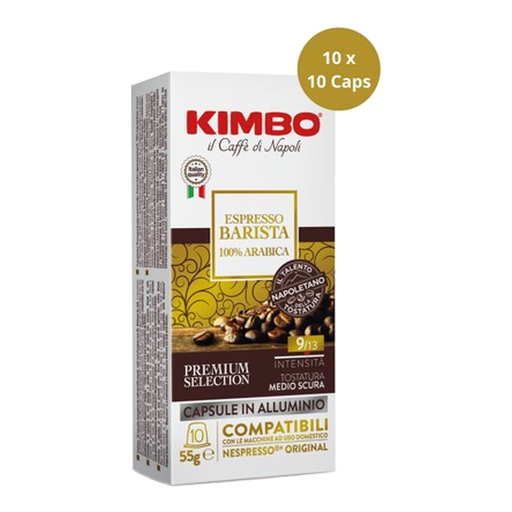 Image unavailable
This format may suit her if she already uses capsules for the specified system. The product has an intensity rating of 9/13. Before buying, check her exact machine model, including whether it’s compatible with Nespresso Original.
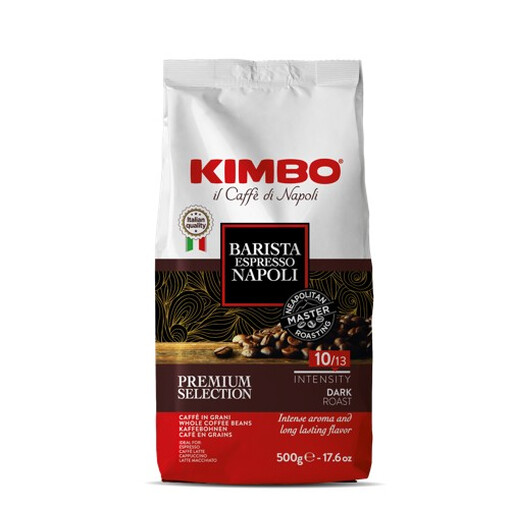 Image unavailable
Worth considering if she already enjoys espressos with a bold character. The pack gives an intensity rating of 10/13. The beans need to be ground before brewing.
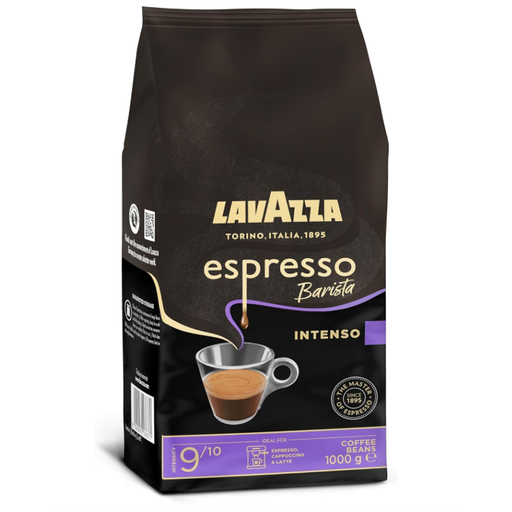 Image unavailable
This coffee is described as strong, so it’s worth considering if she already enjoys this style of espresso. Check that she can grind the beans and that a 1 kg pack suits how much coffee she drinks.
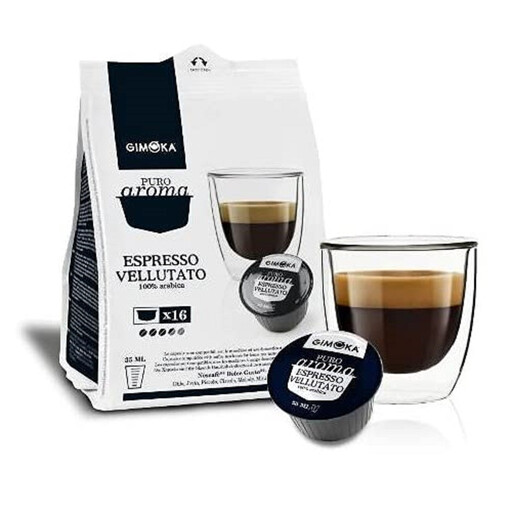 Image unavailable
Worth considering if your recipient uses the Dolce Gusto system. Check compatibility with her exact machine before choosing these 16 capsules.
Choose a well-balanced, aromatic profile rather than an espresso described as very strong. Then check the tasting notes for the exact product and, most importantly, make sure the format works with her machine.
Yes, as long as she also has a grinder or her machine has one built in. The beans need to be ground before brewing. If her equipment can’t do this, check which ground coffee is suitable for her coffee maker.
Follow the instructions on the pack you buy, as they may differ from one product to another. For its espresso beans, Auchan recommends resealing the bag and storing the coffee in an airtight container in a cool, dry place after opening.
Check that the information on the pack is easy to read and lets you identify the product, its quantity and its storage instructions. France’s Directorate General for Competition Policy, Consumer Affairs and Fraud Control states that food labelling information must be visible, legible and written at least in French.