
Livraison le jour même ou le lendemain

Qualité garantie

Débloquez vos offres de bienvenue: Livraison GRATUITE | Jusqu'à -80 % | 30 jours d'essai gratuits à JoyPlus
Téléchargez l'application
As warmer weather arrives, mosquitoes and other insects make their grand return. To air out your home without suffering from their bites, a mosquito net is a simple and incredibly effective solution. Among the available options, the mosquito net roll that you cut yourself is praised for its outstanding flexibility. But be warned, not all screens are created equal. A poor choice can quickly turn into a costly disappointment and a waste of time.
As a Product Expert at Joybuy, my mission is to guide you in making the right choice. Let's review the pitfalls to avoid and the essential criteria for finding a screen that will provide you with lasting protection.
The market is flooded with options, but some hide flaws that only become apparent with use. Here are the points you absolutely must check.
To ensure effective and long-lasting protection, these three parameters make all the difference between a gimmick and a smart investment.
The choice of material is crucial for the longevity and sturdiness of your window screen mesh.
This is the essential criterion for any outdoor installation. A UV-stabilized screen will retain its flexibility, color, and strength for years. Without it, even the best screen will eventually "bake" in the sun, forcing you to start all over again the following year.
The standard and most effective mesh size is approximately 1.6?x?1.6?mm. This mesh offers the perfect balance: it is fine enough to block most mosquitoes and flies, while ensuring good ventilation and nearly unobstructed visibility. Finally, estimate the required surface area carefully. A mosquito net by the meter in a 5-meter roll may be enough for one or two windows, while a 30-meter roll will be much more economical for outfitting the entire house or large openings (balconies, verandas).
To help you visualize how these criteria apply, here are a few options suited to different user profiles.

Why we chose it: Perfect for protecting one or two windows without breaking the bank. Easy to cut and flexible, this cut-to-size mosquito net is very easy to handle for a first DIY project.
Although made of plastic, this model is designed to withstand the elements and cut cleanly, avoiding the frustration of a screen that gets damaged during installation.
An economical and versatile solution for targeted needs. The 5-meter roll is perfect for avoiding waste on small projects.
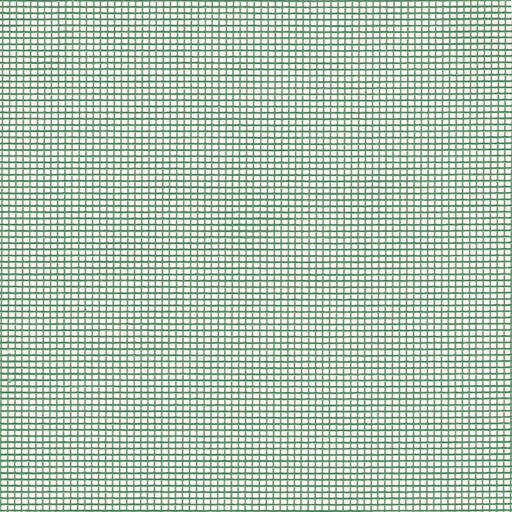
Why we chose it: For those looking for a "set it and forget it" solution. The fiberglass mosquito net is the benchmark material for maximum longevity. Its grey color is often appreciated for its discretion and ability to reduce glare.
This product checks all the boxes: it is UV-treated, non-deformable, and does not fray when cut. It's a higher initial investment, but it will save you the chore of annual replacement.
Superior resistance to weather and UV rays. The 30m roll is economical for outfitting multiple openings with a consistent, high-quality material.
Why we chose it: Perfect for French doors, sliding glass doors, or windows wider than the 1-meter standard. The 1.20 m width offers more flexibility and avoids unsightly and ineffective seams.
By offering a greater width, this roll eliminates the need to "DIY" a solution for large openings. Its fiberglass composition ensures it won't fray, even on large cuts.
Durable fiberglass material, washable and reusable. The 1.20 m width is a key advantage for non-standard projects.
We have selected a complete range of products for you that meet our quality and safety criteria.
Installation is quite simple. After cutting the screen to the dimensions of your frame (leaving a small margin), you can attach it with adhesive hook-and-loop strips, staples, or by inserting it into a dedicated frame. Make sure the surface is clean and dry before applying adhesive strips for optimal adhesion.
A high-quality, UV-treated fiberglass mosquito net can easily last between 5 and 10 years, or even longer if well-maintained. Its resistance to weather and its stability make it a much more durable choice than entry-level plastic screens.
Yes, most fiberglass screens and some quality plastic ones are washable. Use a soft sponge with soapy water, rinse thoroughly with clean water, and let it air dry. Avoid hard brushes or aggressive cleaning products that could damage the mesh or its protective coating. Some fiberglass models can even be machine-washed at a low temperature (30°C), as indicated by the manufacturer.