
Livraison le jour même ou le lendemain

Qualité garantie

Débloquez vos offres de bienvenue: Livraison GRATUITE | Jusqu'à -80 % | 30 jours d'essai gratuits à JoyPlus
Téléchargez l'application
A mosquito net helps keep mosquitoes, flies and other insects out while allowing air to circulate. However, you need to choose a model suited to the opening you want to protect, its exposure and how often it will be used. Cut-to-size rolls, electrical devices and skin repellents each have their own advantages, limitations and running costs.
A tightly woven mesh is useless if the mosquito net is poorly fitted. A gap of just a few millimetres around a window mosquito net or door mosquito net may be enough for insects to get through. Before ordering, measure the entire area to be covered and choose a fixing system suitable for the surface.
A plastic mosquito net may be perfectly suitable for a temporary installation or a small opening. Outdoors, for an installation intended to last, check its resistance to UV rays, moisture and temperature fluctuations. Netting that warps or becomes brittle will inevitably need replacing sooner.
Diffusers, sprays and other biocidal solutions do not always replace an insect screen. Their use varies according to the room, its level of ventilation, the presence of children or pets and the instructions on the label. For each product, check the active substances, usage restrictions and storage conditions.
Measure the width and height of the opening at several points, then add the allowance needed for fixing. A mosquito net roll measuring 1 × 5 m may be enough for several small openings or a seasonal installation. Rolls measuring 1 × 30 m or 1.2 × 30 m are more suitable for renovations, large windows or fitting out several rooms.
For a door, also consider how frequently it is used. Fixed netting is suitable for a rarely used opening, while a removable or opening model will be more practical for everyday use.
A mesh size of 1.6 × 1.6 mm is a useful benchmark when comparing different rolls. It is fine enough to help keep mosquitoes and flies out without blocking airflow. However, do not focus on this feature alone: the tension of the netting and the absence of holes are just as important.
For cutting, use suitable scissors and fit the netting while keeping it taut, without distorting it. Pay attention to the accessories: staples, adhesive tape, hook-and-loop strips and profiles are not always included.
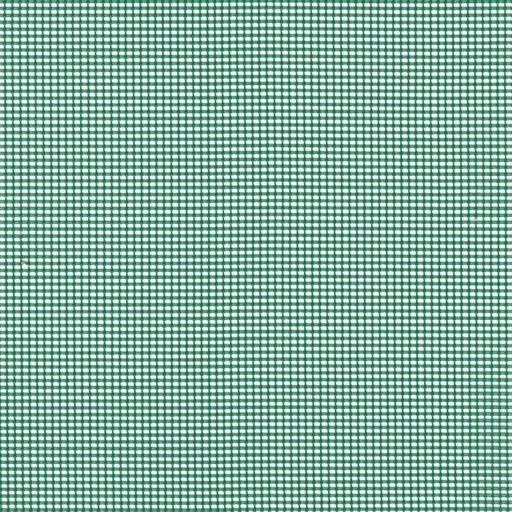
Why this choice suits this profile : Measuring 1 × 5 m, this roll can cover a small window, a balcony opening or a lightweight structure without investing in a large quantity.
Its 1.6 × 1.6 mm square mesh and cut-to-size netting allow you to adjust the coverage precisely, provided the fixing is done carefully.
Polypropylene, advertised UV stabilisation and a 1 × 5 m format.
Why this choice suits this profile : This 1.2 × 30 m roll is suitable for fitting several windows, doors or openings, particularly when a consistent appearance and reusability are priorities.
The fibreglass is advertised as stable, easy to cut without fraying and washable at 30 °C, which may reduce replacements caused by cleaning and maintenance.
A 1.2 × 30 m format, fine mesh and care at 30 °C.
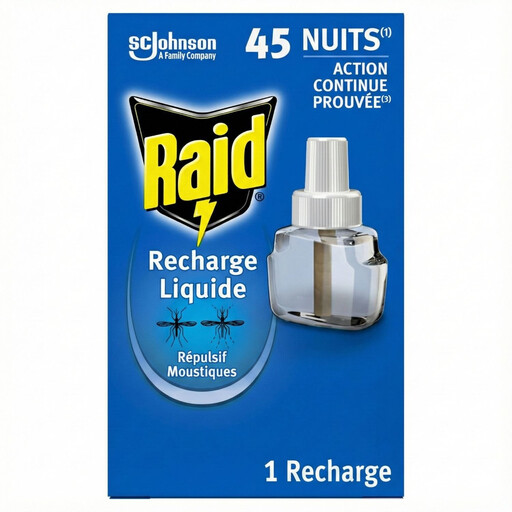
Why this choice suits this profile : This refill is aimed at anyone who wants to complement mechanical protection in a bedroom or room occupied every evening.
The refill format means you do not need to buy the diffuser again each time. However, you must follow the label instructions, ventilate the room and keep the device away from aquariums, bees and bird cages.
A 32 ml refill, a fragrance-free formula and advertised protection lasting up to 45 nights of 8 hours.
We have compiled a complete, real-time updated selection of products that meet these strict criteria and European safety regulations.
With a made-to-measure mosquito net, accurate measurements are just as important as the choice of material. For an outdoor installation, keep the netting away from heat sources and check the fixings after every spell of strong wind.
A mosquito net creates a physical barrier without electricity or any diffused substance. A topical mosquito repellent is better suited to outings, provided you follow the minimum age and maximum number of applications stated on the label. An electrical diffuser should be used indoors and only under the conditions specified in its instructions.
An insect trap can complement protection against certain flies and other flying insects, but its position should be chosen carefully. None of these devices can compensate for a poorly closed window or torn netting.
Its lifespan depends on the material, exposure to UV rays, handling and care. Netting treated against UV rays, correctly tensioned and stored in a dry place over winter can be reused for longer than netting left outdoors all year without inspection. Replace it as soon as a tear creates an opening.
Hook-and-loop strips and certain adhesive tapes may be suitable for a lightweight installation on a clean, dry and compatible surface. For a permanent installation or a large opening, clips, staples and profiles generally provide more reliable support. In all cases, check that the netting remains taut around the entire frame.
It limits the passage of insects that correspond to the size of its mesh, particularly mosquitoes and flies. It will not protect an inadequately covered opening, torn netting or a gap left around the frame. To strengthen protection against mosquitoes, combine a properly fitted installation with a few simple habits: close unused openings and remove any stagnant water around your home.