
Livraison le jour même ou le lendemain

Qualité garantie

Débloquez vos offres de bienvenue: Livraison GRATUITE | Jusqu'à -80 % | 30 jours d'essai gratuits à JoyPlus
Téléchargez l'application
Buying Monster energy drinks in bulk often means a lower price per can and fewer last-minute dashes to the shop. But with so many fruity recipes, sugar-free versions, and drinks made with tea, coffee or fruit juice, it can be hard to know where to start. A 500 ml can can contain a hefty dose of caffeine, while the number of cans, the sugar content and the format vary from one product to the next.
Before you fill your basket, there are three common pitfalls that are particularly easy to avoid.
A recipe like Monster Ultra sugar-free can be very low in calories while still being a caffeinated energy drink. Some Ultra products, for example, contain around 30 mg of caffeine per 100 ml, which works out at nearly 150 mg for a 500 ml can. Removing the sugar doesn't automatically reduce the caffeine content.
Fruity names don't all refer to the same recipe. Monster Juiced fruit can contain juice from concentrate and sugar, whereas an Ultra recipe typically relies on sweeteners. Between a classic sugary can, a sugar-free version and a tea-based drink, both the taste and the energy content can be completely different.
A "pack of Monster energy drinks" can contain 4, 12 or 24 cans, in 330 ml or Monster Energy 50 cl formats. The price shown isn't enough to compare offers: calculate the price per can and check the total volume. A pack of 12 x 500 ml cans gives you 6 litres – something to bear in mind if you're short on storage space.
The "high caffeine content" warning shouldn't be taken lightly. Depending on the recipe, product listings for several items show between 29 and 32 mg/100 ml, which is roughly 145 to 160 mg per 500 ml can. Always check the label on the product you receive: recipes and nutritional information can vary from market to market.
Highly caffeinated energy drinks are not recommended for children, pregnant or breastfeeding women, or anyone sensitive to caffeine. Also avoid mixing them with alcohol, and take into account your consumption of coffee, tea and other caffeinated products.
To compare products easily, start by looking at the values per 100 ml, then multiply by five to get the equivalent for a 500 ml can. A drink showing 8.6 g of sugar per 100 ml therefore contains around 43 g per can. Conversely, some Ultra products show 0 g of sugar and around 2 kcal per 100 ml.
Sugary versions can appeal to those looking for a fuller flavour. Sugar-free recipes are better suited to people who want to limit their sugar intake. In either case, rely on the nutritional table rather than just the claims on the front of the can.
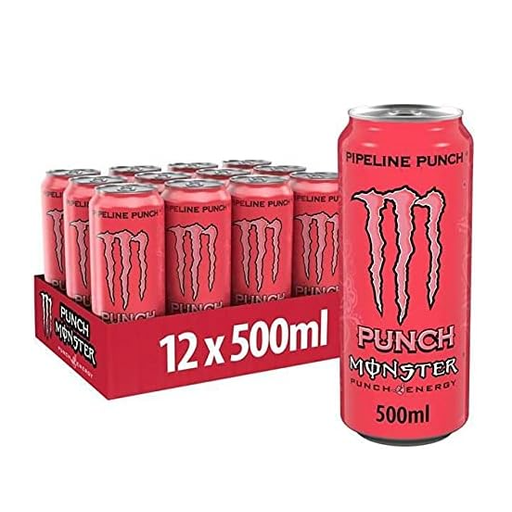
Why this choice suits this profile: With its 12 x 500 ml cans, this pack is ideal for anyone who wants to compare the unit price and keep a stock at home. Its recipe blends passion fruit, orange and guava, with 6% fruit juice from concentrate according to the product listing.
The number of cans and the total volume are clearly stated, making it easy to compare with other packs.
12 × 500 ml format with a tropical fruit profile.
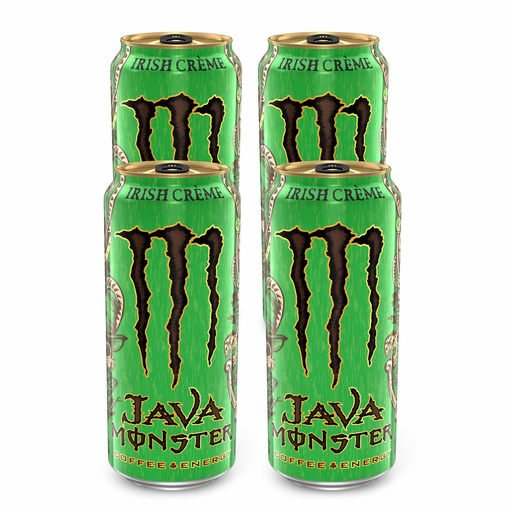
Why this choice suits this profile: This product is aimed at adults who prefer a creamy coffee drink over a fizzy fruit recipe.
The listing clearly states the 4 × 500 ml pack size and the nutritional values, which are around 225 kcal and 30.4 g of sugar per can.
A blend of brewed coffee, skimmed milk and cream, ready to drink.
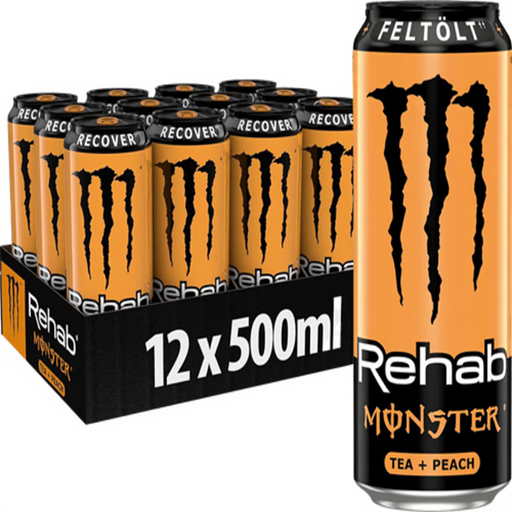
Why this choice suits this profile: Its still tea and peach recipe is ideal for anyone who prefers to avoid fizzy drinks, especially during long study, gaming or work sessions.
The format, the still recipe and the stated caffeine content of 32 mg per 100 ml are all clearly shown in the listing.
Peach tea, still drink and around 160 mg of caffeine per can according to the information provided.
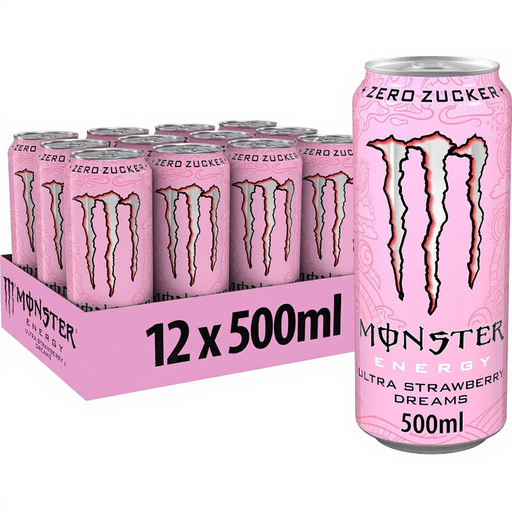
Why this choice suits this profile: This version is aimed at strawberry lovers who want to avoid sugar in their drink.
The listing states 0 g of sugar and around 2 kcal per 100 ml; however, the caffeine content still needs to be taken into account.
Pack of 12 × 500 ml, strawberry flavour and around 30 mg of caffeine per 100 ml.
We've put together a comprehensive, real-time selection of products that meet these criteria as well as European safety regulations.
Depending on the product, a can can contain around 145 to 160 mg of caffeine when the listing shows 29 to 32 mg per 100 ml. Check the label on each product and add this amount to your daily coffee or tea intake.
Ultra products, such as Monster Ultra White or Ultra Strawberry Dreams, are listed as sugar-free on the relevant product pages. However, they may contain sweeteners and caffeine. "Sugar-free" does not mean "stimulant-free".
Store unopened cans in a cool, dry place away from heat and direct sunlight. Once opened, refrigerate the drink and consume it promptly. Check the date on the bottom of the can before drinking.