
Livraison le jour même ou le lendemain

Qualité garantie

Débloquez vos offres de bienvenue: Livraison GRATUITE | Jusqu'à -80 % | 30 jours d'essai gratuits à JoyPlus
Téléchargez l'application
Treating yourself to a Moleskine planner for the new year is like getting a fresh start. It's a beautiful object, an organisational companion renowned for its durability and iconic design. But with a multitude of sizes and layouts to choose from, an impulse buy can quickly turn into a disappointment if the planner doesn't fit your daily life.
Choosing the right planner isn't just a matter of colour. Several common pitfalls can turn your beautiful organisational tool into dead weight after just a few weeks. Here are the mistakes to avoid:
To make the right choice, you first need to understand what truly makes a difference.
Before you take the plunge, take the time to analyse three essential points. They will determine whether your planner becomes your best ally for the year or just another object gathering dust.
The internal structure of your planner is the number one criterion. It must match your rhythm and your way of organising.
The size of your planner has a direct impact on its portability and your writing comfort.
The choice of cover is a matter of taste, but also of durability and use.
Common to all Moleskine planners, the stitched binding allows for a perfectly flat 180° opening, ensuring total writing comfort, even in the middle of the page. Their famous acid-free, ivory-coloured 70 g/m? paper is designed to ensure your writings stand the test of time.
To help you see more clearly, here are a few typical profiles and the Moleskine planner that suits them.
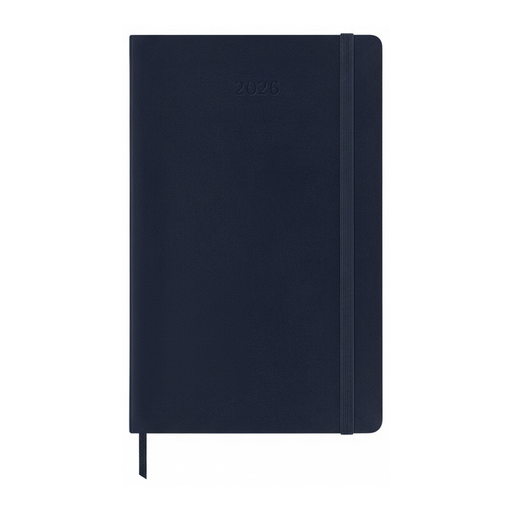
The ideal profile: This user needs maximum space to record every appointment, task, and idea. The large daily format is perfect for detailed time management without ever feeling cramped.
No more struggling with a restrictive layout. With a page per day, it's impossible to run out of space, even on marathon days.
Maximum writing space for meticulous planning. The soft cover makes it lighter than a hard cover model of the same size.
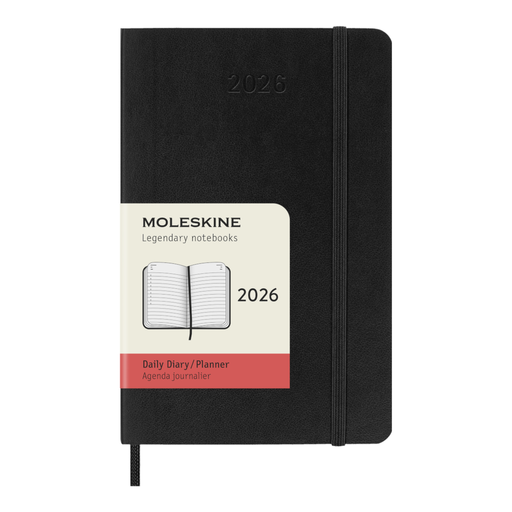
The ideal profile: For those who are always between appointments, portability is not an option. This pocket planner offers the precision of a page per day in a format you'll barely notice it's there.
It avoids the trap of a bulky planner. Its mini format ensures it will always be on hand to note down crucial info, wherever you are.
Unbeatable portability. The daily layout maintains a high level of detail, even in such a compact format.
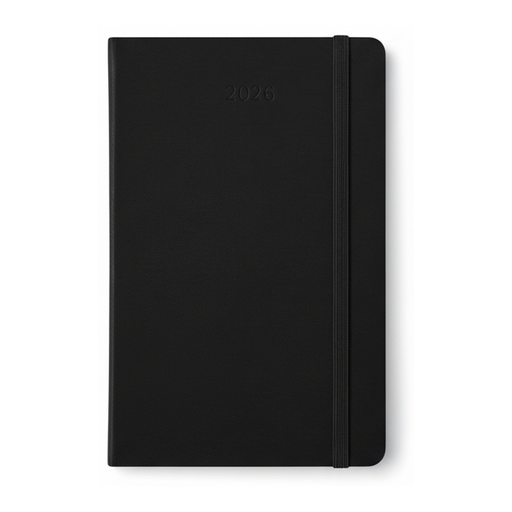
The ideal profile: This user needs a big-picture view to orchestrate their weeks. The horizontal weekly planner lets them see all upcoming events and deadlines at a glance.
It prevents you from getting lost in the details of a daily planner. The weekly view is perfect for managing projects and coordinating activities over several days.
A clear and structured panoramic view of the week. The large format offers the ideal compromise between a global overview and space for notes.
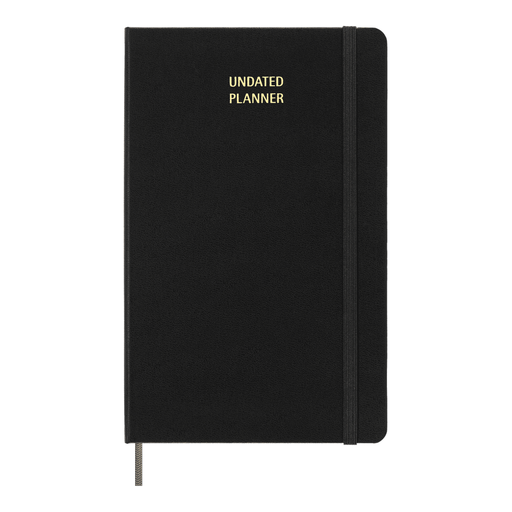
The ideal profile: Perfect for freelancers, students, or anyone whose schedule isn't tied to the calendar year. This undated planner offers complete freedom to start planning anytime.
No more wasted pages! If you don't use your planner for a week or if you start in March, no pages are lost. You can customise it 100%.
Absolute flexibility. The included dividers and stickers allow you to build your year from scratch, whenever you want.
Discover our complete selection of diaries and planners, all chosen for their quality and design.
It's all about space. The daily planner gives you an entire page per day, perfect for highly detailed planning. The weekly planner, on the other hand, lays out the week across a two-page spread for a big-picture view, but with logically less space for daily notes. The choice depends on your personal trade-off between a global overview and the level of detail you need.
Moleskine's 70 g/m? ivory paper is a high-quality, acid-free paper that works well with most pens (ballpoint, gel, fine-liner). With a fountain pen, the result will depend on your nib and ink combination. Very wet inks or broad nibs may show through slightly on the reverse side (an effect known as ghosting). Our advice: do a quick test on one of the last pages of the planner to be sure.
The hard cover is your best ally if you're looking for maximum protection and a firm writing surface, perfect for jotting down notes on the go. It's the choice for robustness. The soft cover is all about lightness and flexibility. It's easier to slip into a bag and has a more casual feel. Ultimately, it's a matter of taste and a compromise between protection and suppleness.