
Livraison le jour même ou le lendemain

Qualité garantie

Débloquez vos offres de bienvenue: Livraison GRATUITE | Jusqu'à -80 % | 30 jours d'essai gratuits à JoyPlus
Téléchargez l'application
Tight-feeling skin, redness that appears out of nowhere, a persistent feeling of dryness… Finding the right moisturizer can sometimes feel like an uphill battle. Faced with shelves overflowing with promises, it's easy to feel lost and walk away with a product that will end up forgotten in a drawer. I'm the Head of Product Curation at Joybuy, and my role is to help you make sense of it all. Let's review the most common pitfalls so your next purchase can finally be the right one.
The purchasing traps are almost always the same:
To avoid falling into these traps, simply focus on a few objective and verifiable criteria.
Rather than relying on marketing slogans, reading the label and understanding your own needs are your best assets. Here are the three habits to adopt before you check out.
The true value of a moisturizer isn't on the packaging, but in its list of ingredients (the famous INCI list). Look for proven active ingredients placed high on the list:
Texture isn't just a matter of preference; it's crucial to the product's effectiveness depending on the area and the need.
If your skin is reactive, minimalism is your best ally. Opt for "hypoallergenic," "fragrance-free," and "alcohol-free" formulas. The golden rule: the fewer the ingredients, the lower the risk of irritation. A good product for sensitive skin gets straight to the point: soothing and repairing, without any unnecessary components.
To put theory into practice, here are products that meet specific needs and check all the right boxes.
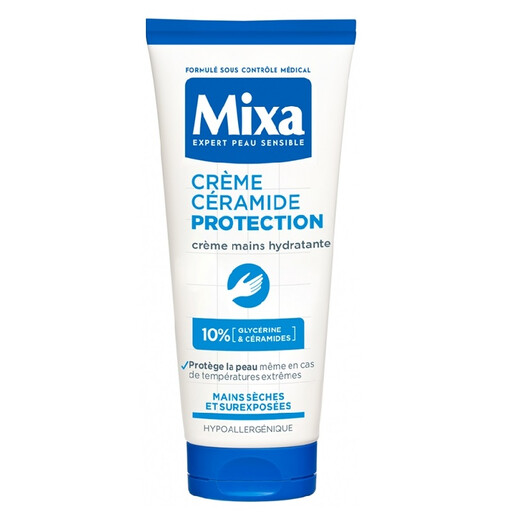
Why we chose it: Ideal for professionals whose hands are put to the test (healthcare workers, artisans, cleaning staff) and for anyone suffering from dryness due to frequent washing.
Unlike scented creams that can irritate already damaged skin, its fragrance-free and hypoallergenic formula focuses on repairing the skin barrier.
Enriched with ceramides and glycerin, it helps restore the skin's barrier function while providing intense, protective hydration.
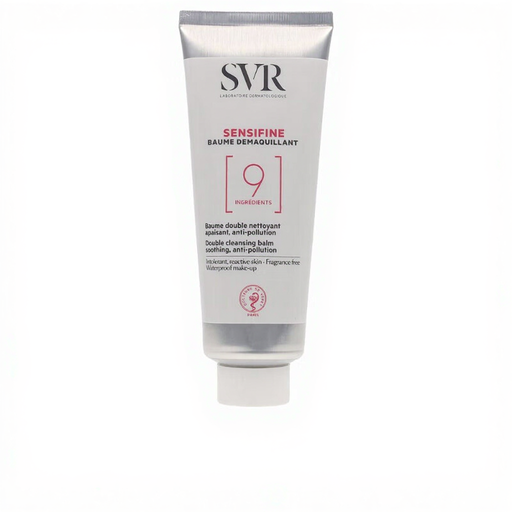
Why we chose it: Perfect for those who wear makeup (even waterproof) and whose sensitive or reactive skin doesn't tolerate traditional foaming cleansers.
It avoids the trap of harsh, stripping cleansers. Its balm-to-oil texture gently dissolves impurities and makeup, leaving a hydrating but non-greasy film after rinsing.
Its ultra-minimalist formula (only 9 ingredients!) contains shea butter to nourish and soothe the skin right from the cleansing step.
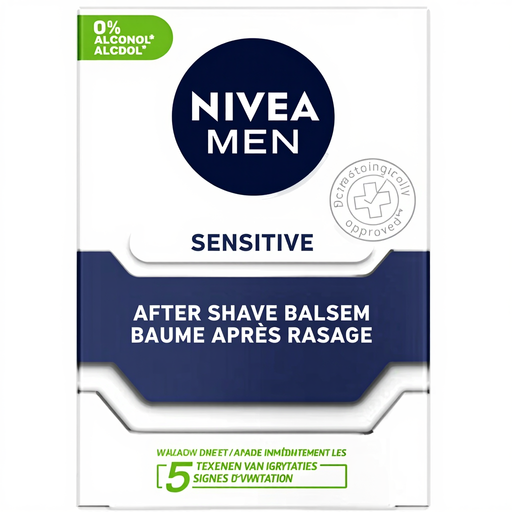
Why we chose it: Designed for men with sensitive skin who want to instantly calm razor burn, tightness, and redness.
It avoids the main drawback of classic after-shaves: alcohol. Its 0% alcohol formula prevents the stinging sensation and drying of the skin.
The combination of Chamomile and Witch Hazel provides immediate anti-redness and soothing action, for comfortable, hydrated skin.
We have curated a complete selection of products that meet our quality standards and the criteria in this guide.
It's all about texture and composition. A balm is richer in lipids (oils, butters, waxes) and therefore contains less water than a cream. Its texture is denser, sometimes even solid, and it forms a more effective protective shield (more occlusive). It's recommended for very dry skin, targeted areas (lips, hands, elbows), or as a repairing night treatment. A cream, being lighter, absorbs faster and is better suited for daily use on larger areas.
Absolutely, and it's actually an excellent idea. The "like dissolves like" principle applies perfectly here: the oil phase of a cleansing balm is incredibly effective at removing excess sebum, sunscreens, and makeup without stripping the skin. The secret? Choose a non-comedogenic balm, emulsify it well with water, and then rinse. This double cleansing technique (balm followed by a gentle cleanser) is often highly beneficial for oily or blemish-prone skin.
For a repairing hand cream, it all depends on the condition of your skin and your activities. As a general rule, applying it morning and night is a good start. But if your hands are very dry, damaged, or frequently in contact with water and detergents, the best practice is to reapply it after every wash to constantly maintain their protective film.