
Livraison le jour même ou le lendemain

Qualité garantie

Débloquez vos offres de bienvenue: Livraison GRATUITE | Jusqu'à -80 % | 30 jours d'essai gratuits à JoyPlus
Téléchargez l'application
Finding the ideal moisturizer can feel like an uphill battle. Between marketing promises and endless ingredient lists, it's easy to get lost and regret your purchase. Our mission: to give you the keys to decipher labels and make an informed choice, tailored to your real needs rather than fleeting trends.
Before we get into the details, let's review the classic mistakes that often lead to disappointment... and wasted money.
To get it right, focus on the few technical elements that truly make a difference.
A formula that works relies on a balance between several families of ingredients. Here are the main actives to look for on the label:
The galenics (texture) of a cream isn't just a matter of comfort. It's crucial for its effectiveness on your skin.
To put theory into practice, here are a few products that meet specific needs, selected based on the objective criteria we've just covered.
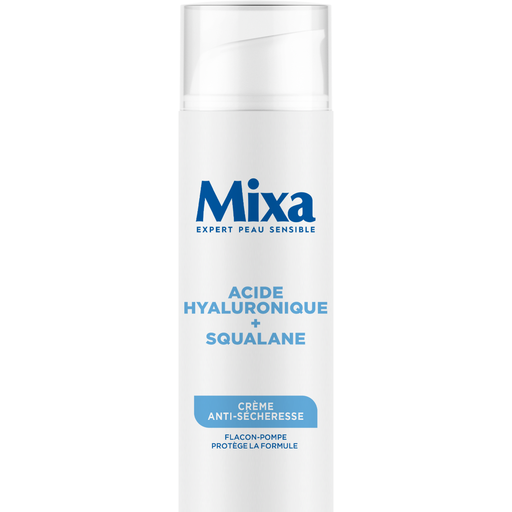
Why we chose it: A simple, effective, no-frills formula that gets straight to the point. Designed for sensitive and dry skin seeking intense hydration and relief. An accessible and rock-solid reliable choice.
This cream doesn't get lost in vague promises. It targets a specific need (dryness) with a duo of proven actives (hyaluronic acid and squalane), thus avoiding the pitfall of under-dosed "miracle" ingredients.
Hypoallergenic formula developed under medical supervision. The combination of hyaluronic acid (humectant) and squalane (emollient) ensures comprehensive action: deep hydration and reinforcement of the skin barrier.
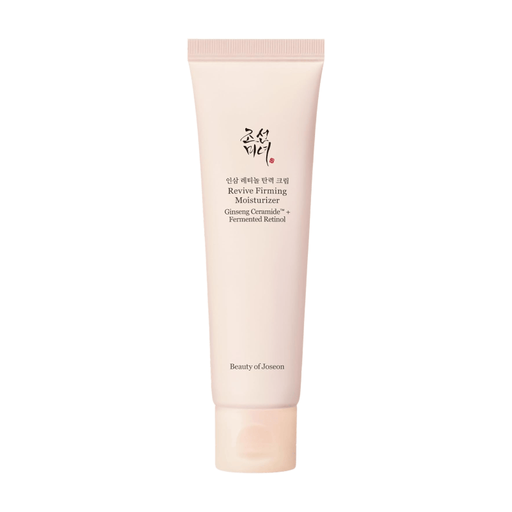
Why we chose it: An **anti-aging cream** that combines the best of both worlds: modern science (retinal) and Korean herbal tradition (ginseng). It's for those who want targeted action on fine lines and firmness without sacrificing deep hydration.
It does more than just hydrate. By incorporating an active as powerful and recognized as retinal, it promises visible benefits on skin texture, far beyond simple immediate comfort.
It combines retinal (a more effective and better-tolerated form of retinol) to smooth fine lines, ginseng root extract for vitality, and the hyaluronic acid/ceramide duo for the skin barrier. A truly complete formula.
We have compiled a complete and up-to-date selection of products that meet our strict selection criteria and current regulations.
To put it simply, a hydrating cream brings water (hydration) to the skin via humectants (glycerin, hyaluronic acid). A nourishing cream, on the other hand, brings fats (nourishment) with lipids (oils, butters, ceramides). Its role is to strengthen the skin barrier, limit dehydration, and comfort dry skin. Ideally, a good cream intelligently combines both aspects.
Absolutely. However, it's often wise to adapt your routine. In the morning, a lighter texture is preferable, as it feels more pleasant under makeup or sunscreen. The evening is the perfect time for richer creams or photosensitizing ingredients (which react to the sun), like retinol.
For optimal hydration, the ideal is to apply your cream twice a day, morning and night, on clean, dry skin. As is often the case in skincare, consistency is key to seeing real long-term results.