
Livraison le jour même ou le lendemain

Qualité garantie

Débloquez vos offres de bienvenue: Livraison GRATUITE | Jusqu'à -80 % | 30 jours d'essai gratuits à JoyPlus
Téléchargez l'application
Skin that feels tight after a shower, uncomfortable cheeks, blemish-related marks or a dry feeling after a day in the sun: choosing a moisturising skincare product depends above all on what you want to use it for. The problem is that packaging is full of promises, which can make products difficult to compare.
A lightweight texture or cooling effect can make application pleasant, but it does not guarantee lasting comfort. When comparing two products, look at the hydrating ingredients in the formula, such as glycerine, urea, shea butter or hyaluronic acid. Also check how long the manufacturer says the hydration lasts.
Claims such as “24-hour hydration” or “48-hour hydration” are still marketing claims. Consider them alongside the recommended conditions of use and the information provided on the packaging.
A face and body moisturiser may seem convenient, but combination skin on the face, dry legs and a baby’s delicate skin do not necessarily have the same needs. A rich balm can be useful for massage or very dry areas, while a fluid lotion is easier to apply over a large surface.
An organic skincare product or one enriched with aloe vera may suit your preferences, but these descriptions do not replace checking the INCI list. Fragrances, essential oils, alcohol and certain preservatives may not suit every skin type. For a baby or reactive skin, choose a formula specifically designed for that purpose and test it on a small area when recommended in the instructions.
Glycerine helps retain water on the skin’s surface. Shea butter, plant oils and certain film-forming agents enhance the feeling of suppleness. Aloe vera is often appreciated for its cooling feel in gels and after-sun lotions, but the formula may also contain fragrance or alcohol.
For sensitive skin, check in particular:
A small tube for the face does not meet the same needs as a 400 or 500 ml bottle intended for the body. If you apply the product every day to the whole family, the price per 100 ml becomes a useful indicator. Conversely, a compact format can help avoid waste for targeted use, such as a soothing cream after a drying treatment or a baby massage balm.
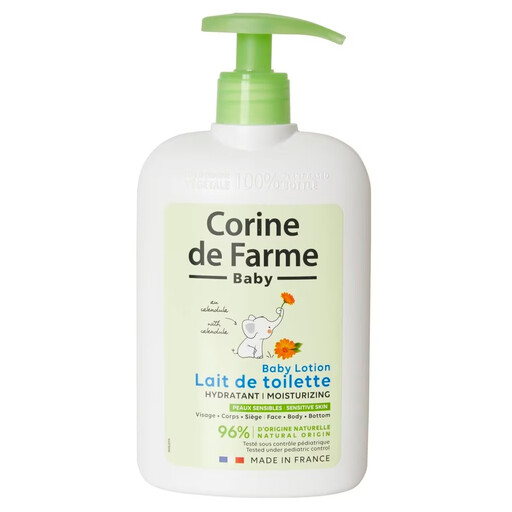
Why this choice suits this profile : its large size is ideal for families looking for a daily product for the face, body and nappy area, in line with the manufacturer’s recommendations.
Its purpose and application area are clearly stated. This means it cannot be confused with a general lotion rather than a product specifically recommended for babies.
500 ml, calendula, alcohol- and soap-free formula, advertised for use from birth.
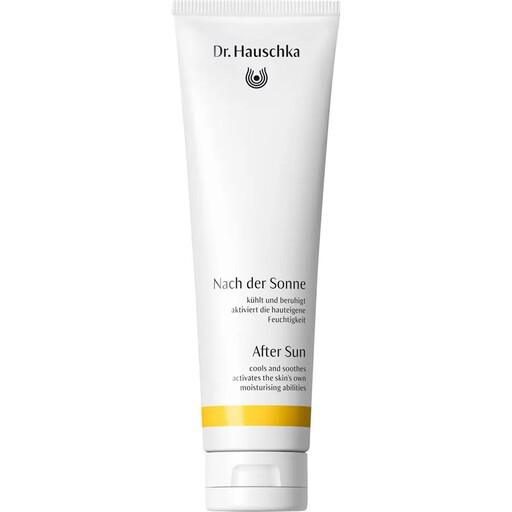
Why this choice suits this profile : this after-sun lotion combines a lightweight texture with several plant oils and extracts for a sensorial post-sun routine.
The description clearly distinguishes after-sun care from sun protection: apply it after sun exposure, and do not use it as a replacement for sun cream.
Advertised fast absorption, sweet almond, jojoba and apricot oils, plus shea butter.
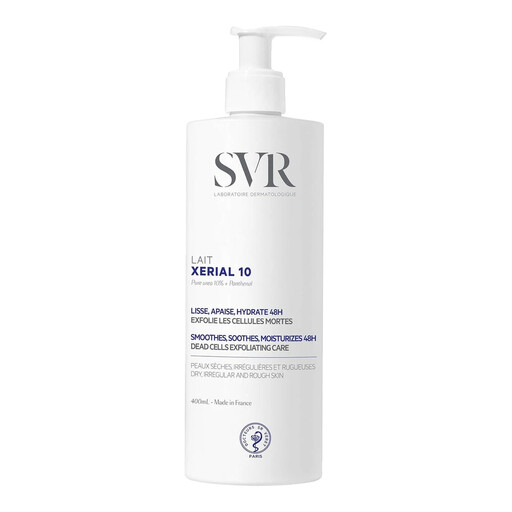
Why this choice suits this profile : its family-sized format and formula designed for dry to very dry skin make it well suited to regular application all over the body.
The 10 % urea concentration is clearly stated, making it easy to distinguish this lotion from a standard body moisturising milk.
10 % urea, panthenol, shea butter, a 400 ml bottle and advertised 48-hour hydration.
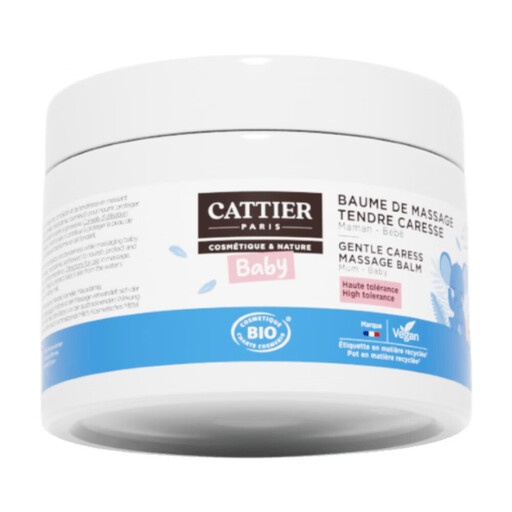
Why this choice suits this profile : this baby massage balm is designed for moments of closeness, under adult supervision. Its organic formula is advertised as suitable from birth.
The intended use, age guidance and precautions are clearly stated: a patch test is recommended, the product is for external use and it should be discontinued if a reaction occurs.
Four organic plant oils, a creamy balm texture and a 100 g format.
We have brought together a comprehensive, real-time updated selection of products that meet these demanding criteria and European safety standards.
Only if the product clearly states that it is suitable for babies and specifies the recommended age. A formula intended for adults may contain fragrance or ingredients unsuitable for the needs of very young skin. Always follow the instructions and avoid irritated or damaged areas.
A milk is generally more fluid and spreads quickly over large areas. Thicker in texture, a balm is better suited to massage and areas that need a nourishing feel. The choice therefore depends on the surface to be covered and the texture you like using every day.
No. It is applied after sun exposure to soothe the skin and restore its suppleness, but it does not protect against ultraviolet rays. Use suitable sun protection, limit the length of exposure and keep babies and young children out of direct sunlight.