
Livraison le jour même ou le lendemain

Qualité garantie

Débloquez vos offres de bienvenue: Livraison GRATUITE | Jusqu'à -80 % | 30 jours d'essai gratuits à JoyPlus
Téléchargez l'application
A moisturising care balm can protect dry skin, nourish lips, soothe a sensitive area or even tame a beard. But this broad term covers products designed for very different uses. A rich texture created for the face is not necessarily suitable for a baby’s bottom, while a cooling muscle gel is not a moisturising cosmetic treatment.
Before buying, it is therefore best to look beyond the promises displayed on the packaging. Ingredients, texture, application area and precautions: these are the criteria to examine when comparing formulas and avoiding the wrong choice.
A balm may contain humectants such as glycerine, oils and butters such as shea butter, or film-forming ingredients that help limit water loss. These functions complement one another, but they do not meet exactly the same needs.
A repairing facial balm therefore does not automatically replace a nappy rash cream.
The terms organic cosmetic, of natural origin and vegan care do not necessarily mean the same thing. If certification is claimed, check that it is clearly identifiable and get into the habit of consulting the INCI ingredient list. A formula of natural origin may still contain fragrance or fragrance allergens.
If your skin reacts easily, pay particular attention to the presence of fragrance, essential oils, limonene, linalool or other ingredients to which you are sensitive.
A moisturising facial balm, lip balm and intimate moisturising treatment are not formulated for the same areas. As for pain relief gel, this is intended for a specific use: in the case of Biofreeze, it is presented as a CE-marked medical device. It should not be confused with a cosmetic balm.
Always take the time to read the directions for use, recommended age, any restrictions and the product’s exact intended use.
When choosing a balm for sensitive skin, a concise formula with clearly detailed ingredients can make comparison easier. Avène Tolerance Control Balm, for example, is described as fragrance-free and preservative-free, with sterile packaging and a formula that includes glycerine, shea butter and squalane. This information helps you understand the product, but it does not guarantee that it will be tolerated by everyone in the same way.
If you have reactive skin, first apply a small amount to a limited area. If redness, itching or a persistent burning sensation occurs, stop using the product.
The packaging should be suited to how often you plan to use the product:
A very thick texture may offer greater protection, but it will be less comfortable under make-up or on a short beard. Conversely, a lightweight formula absorbs more quickly, although it may need to be reapplied more often.
For cosmetics sold in France, check that the label is in French and includes the ingredients list, the responsible person established in the European Union, the nominal content and directions for use. The term “dermatologically tested” does not mean that a product will suit every skin type.
For a product intended for babies, check the recommended age of use and apply it under adult supervision. For a pain relief gel, follow the instructions, application frequency and restrictions relating to wounds, mucous membranes, occlusive dressings or exposure to heat.
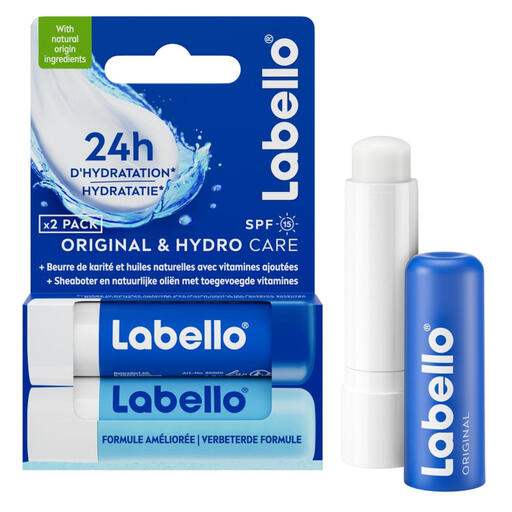
Why this choice suits this profile : This duo combines a classic lip balm with a Hydro Care stick, which is easy to slip into a bag for everyday travel.
The format and number of products are clearly stated. The formula includes natural oils and shea butter, while the relevant version provides SPF 15 protection.
Two 4.8 g sticks described as dermatologically tested, perfect for a portable routine.
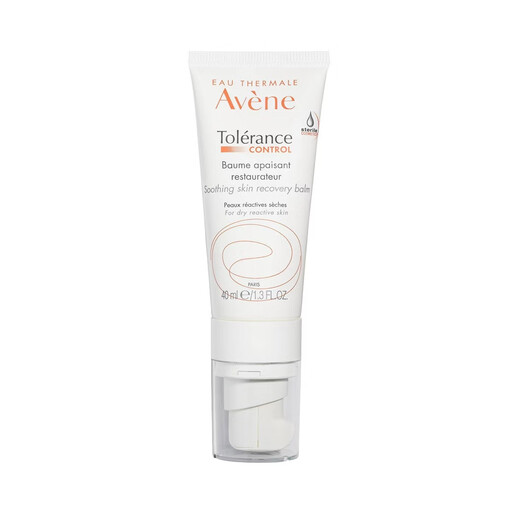
Why this choice suits this profile : This balm is intended for adults looking for a rich facial treatment for dry, reactive or intolerant skin.
It does not rely on fragrance to create a sensorial application: the product is described as fragrance-free and preservative-free, and uses a sterile dispensing system.
40 ml for the face, neck and eye contour, with glycerine, shea butter and squalane listed in the formula.
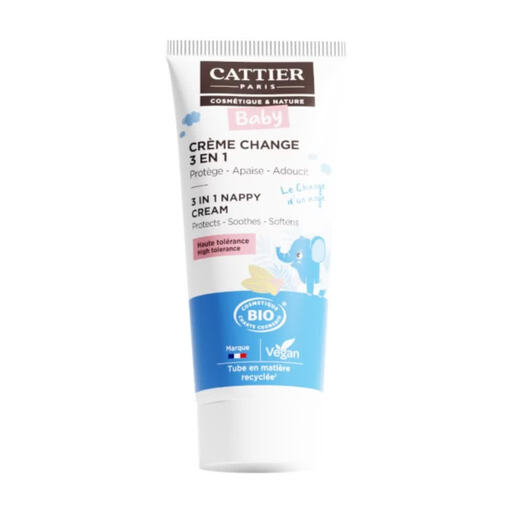
Why this choice suits this profile : This format suits parents looking for a compact nappy cream suitable for repeated applications at home and when out and about.
The application area is clearly specified: external use on the nappy area. COSMOS Organic certification by Ecocert Greenlife and the vegan formula are also stated.
75 ml, with zinc oxide, bisabolol and 99 % ingredients of natural origin according to the information provided.
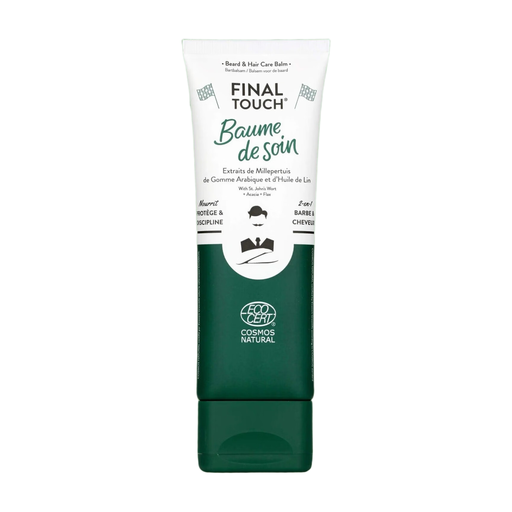
Why this choice suits this profile : It is suitable for a routine that combines beard care with light styling, without filling the bathroom with multiple products.
The hold is described as light, so it cannot be confused with a rigid-hold styling product. The formula is also presented as free from parabens, silicone and phenoxyethanol.
75 ml, described as made in France, with Ecocert/Cosmos Natural certification and acacia gum and linseed oil.
We have selected a complete, regularly updated range of products that meet these demanding criteria, in line with European safety regulations.
The shelf life depends on the open-jar symbol, any stated date and storage conditions. Close the container carefully, keep it away from heat and light, and avoid taking product from a jar with dirty hands. If the smell, colour or texture changes, it is best not to use it.
Not necessarily. A facial balm may contain ingredients that are not intended to be ingested, while a lip balm is specifically formulated for this area. Before using a product in a way other than intended, check the manufacturer’s instructions and the INCI ingredient list.
No. Organic certification provides information about the relevant production standards, but does not guarantee that the product is fragrance-free or free from allergens. To choose a balm for sensitive skin, examine the ingredients, carry out a patch test on a small area and consult a healthcare professional if the reaction persists.