
Livraison le jour même ou le lendemain

Qualité garantie

Débloquez vos offres de bienvenue: Livraison GRATUITE | Jusqu'à -80 % | 30 jours d'essai gratuits à JoyPlus
Téléchargez l'application
A moisturiser for sensitive skin needs to meet several needs: relieving feelings of tightness, reducing dryness and fitting easily into your daily routine. But with claims such as “skin barrier”, “soothing”, “repairing” and “high tolerance”, choosing the right product can quickly become confusing.
To avoid choosing an unsuitable moisturiser, it is better to look at its ingredients, application area and texture rather than relying solely on marketing claims.
A very thick cream can feel pleasant on dry areas of the body, but may be too occlusive or uncomfortable on the face. Conversely, a lightweight texture may not provide enough comfort for very dry elbows, hands or legs.
The right choice therefore depends on how you intend to use it: face and body moisturiser, targeted care for rough areas or a daily cream for the whole family.
A fragrance-free cream can be a good option for reactive skin, particularly if you want to keep your routine simple. However, “fragrance-free” does not guarantee that the product will suit everyone. Check the full ingredients list too, including whether it contains vegetable oils, alcohols or preservatives.
When using a product for the first time, apply a small amount to a limited area and observe how your skin reacts.
Claims such as “repairing”, “anti-itch” or “atopic skin” indicate the intended use, but they are not a substitute for medical advice. If you experience persistent redness, cracks, oozing or significant discomfort, seek advice from a healthcare professional. A cosmetic cream should not be applied to damaged skin when the instructions advise against it.
When choosing a cream designed to support the skin barrier, several ingredient groups may be worth considering:
The presence of a particular ingredient alone is not enough to predict how comfortable a product will feel: its position in the ingredients list, the product’s overall texture and individual skin tolerance are equally important.
A 400 ml tub is generally suitable for frequent use on the body and for the needs of a household. A 40 to 60 ml tube will be more practical for the face, handbag or travelling. Also check whether the product is intended for the face, body, hands or specific areas only.
A panthenol cream designed for the body will not necessarily meet the expectations of someone looking for a lightweight texture for the face. Conversely, a ceramide cream intended for the face may work out too expensive for daily application all over the body.
Claims such as “fragrance-free”, “dermatologically tested” or “sterile packaging” should be viewed as information about the formulation, not as a universal guarantee. Always check the label of the product you receive, as formulations may change.
Follow the directions for use: for external use only, avoid the immediate eye area, store away from heat and stop using the product if irritation occurs.
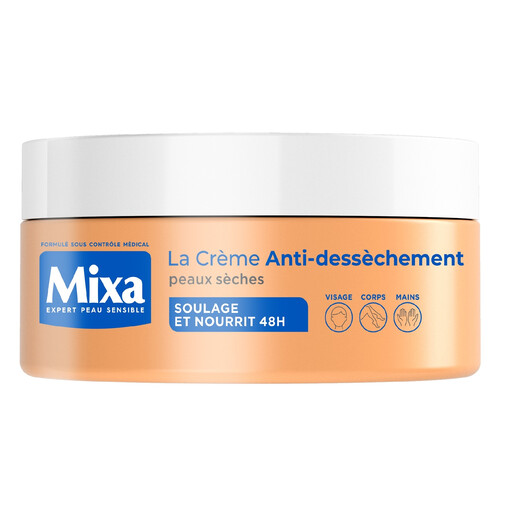
Why this choice suits this profile : Its 150 ml size is ideal for trying the product for the first time or for targeted use on the face, hands and body.
The product information states that it can be used on the face, body and hands, helping you avoid buying several products for different areas. However, it does contain fragrance, so check this point if you are looking for a fragrance-free cream.
Glycerine, shea butter and sweet almond and soya oils. The texture is described as non-sticky.
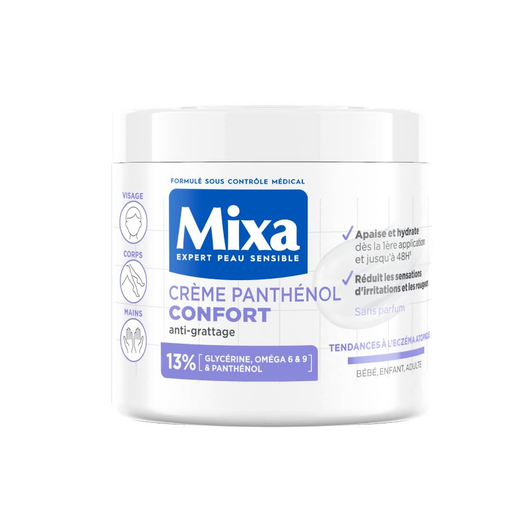
Why this choice suits this profile : Its large size is suitable for regular applications on the body, particularly when skin is very dry or reactive.
The product information mentions a non-greasy, non-sticky texture, as well as panthenol and glycerine. The formulation also contains fragrance, so check the ingredients list before buying.
400 ml size, panthenol, glycerine and niacinamide in the formula. The product is designed for very dry and reactive skin.
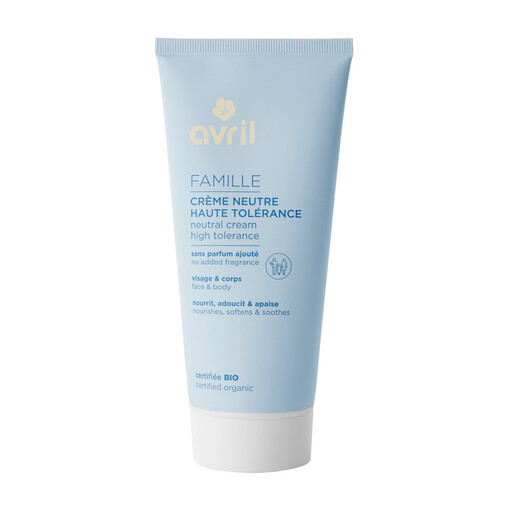
Why this choice suits this profile : Its use on the face and body, combined with the absence of added fragrance, may suit families wanting to reduce the number of skincare products in the bathroom.
The formula is described as containing no added fragrance, and the product is intended for the face and body. Nevertheless, read the label and carry out a patch test before applying it more widely.
200 ml size, sweet almond and soya oils, shea butter and Cosmos Organic certification stated on the product information page.
We have put together a complete, real-time updated selection of products that meet these demanding criteria while complying with European safety regulations.
Apply the cream to clean skin, ideally after showering or washing, while it is still slightly damp. A small amount, spread using gentle movements, is often enough. Pay particular attention to areas exposed to cold, frequent washing or friction.
For the face, start with a lightweight texture and avoid using too many active ingredients. For the body, a larger size can reduce the cost per application. Store the product according to the manufacturer’s instructions and check the expiry date and batch number shown on the packaging.
Start by comparing the application area, texture and formulation. Depending on how dry your skin is, you may wish to look for glycerine, panthenol, ceramides or emollient ingredients. A fragrance-free formula may suit people who want a more minimalist routine, subject to their individual tolerance.
Not always. Some creams are designed for the body, while others clearly state that they can be used on the face and neck. Check the instructions and avoid applying the product to damaged skin when advised against.
The shelf life depends on the date shown on the packaging, the period after opening and storage conditions. Close the container properly, keep it away from heat and direct sunlight, and stop using the product if its smell, colour or texture changes.