
Livraison le jour même ou le lendemain

Qualité garantie

Débloquez vos offres de bienvenue: Livraison GRATUITE | Jusqu'à -80 % | 30 jours d'essai gratuits à JoyPlus
Téléchargez l'application
A moisturiser for sensitive skin needs to address a very real concern: reducing tightness, limiting discomfort and preserving the skin barrier, without piling on ingredients that could cause irritation. The trouble is, packaging often promises a "repairing", "soothing" or "anti-ageing" action without specifying which skin type or which area the product is actually intended for.
Here are the key criteria to consider before buying, along with a selection of treatments available on Joybuy for the face, body and more specific needs.
Dry skin primarily lacks lipids and can have rough or flaky patches. Dehydrated skin lacks water and can also be combination or oily. A rich texture will generally suit a repairing cream for dry skin better, whereas a light emulsion will often feel more comfortable on dehydrated or combination skin.
Applied to a face prone to blemishes, a very occlusive cream can feel heavy. Conversely, a non-greasy moisturiser may be too light for very dry elbows, hands or legs.
This indication doesn't mean you can skip checking the ingredients. Fragrance, essential oils, certain alcohols and exfoliating actives may not suit all reactive skins. A fragrance-free formula isn't automatically tolerated by everyone, but it does remove a common source of sensitisation.
Before the first application, do a patch test on a small area. If persistent redness, itching or a burning sensation occurs, stop using it and seek advice from a healthcare professional.
A face cream for sensitive skin, a body cream and a baby cream for nappy rash don't serve the same purpose. A soothing face cream is designed to be applied in a thin layer, whereas a body formula can be richer. After an aesthetic treatment, a skin barrier cream without exfoliating actives will generally be more suitable than an anti-blemish cream.
For their part, anti-ageing or brightening creams may contain retinal, vitamin C, acids or other targeted actives. These formulas require gradual introduction and the use of sun protection during the day.
Start by identifying your need:
The product format also deserves your attention. A bottle or pot of 380 to 400 ml is suitable for daily use on the body, whereas a tube of 40 to 75 ml will be more appropriate for the face or targeted application.
In an anti-dryness cream, humectants like glycerin attract and retain water. Fatty substances and occlusive agents then help limit water loss. Ceramides, cholesterol and certain lipids are particularly sought after in treatments designed to improve skin barrier comfort.
Panthenol, allantoin, centella asiatica and niacinamide are often used in soothing formulas. Their presence indicates the intended cosmetic role, but does not constitute a medical guarantee of effectiveness.
For products containing AHA, BHA, PHA, retinal, vitamin C or brightening actives, carefully check the frequency of use and any warnings. In some people, these ingredients can increase discomfort or sensitivity to the sun.
In the UK, a cosmetic product must include an INCI list, usage precautions, the net quantity, the batch number and the contact details of the responsible person established in the European Union. Also check the PAO, represented by an open jar pictogram, as well as the date of minimum durability when indicated.
As ingredient lists can change, the composition printed on the packaging you receive remains the reference. A formula described as "natural", "organic" or "vegan" tells you about certain formulation choices, but alone it cannot predict individual tolerance.
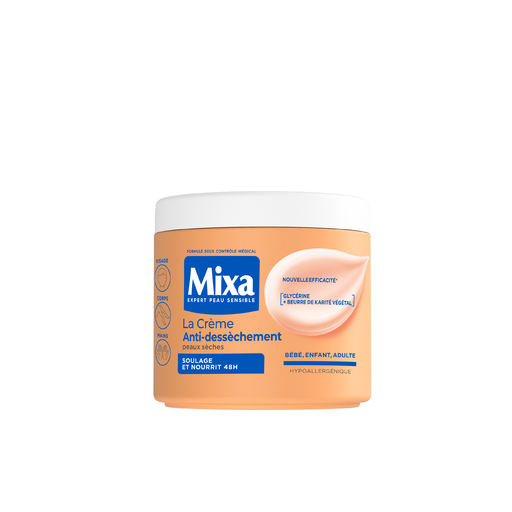
Why this choice could work for you: its large format is practical for family use on arms, legs and dry areas of the body.
The listing mentions a non-sticky texture and a formula based on glycerin, shea butter and vegetable oils. However, check the packaging for the presence of fragrance.
400 ml, body use and a formula presented as suitable for dry and sensitive skin.
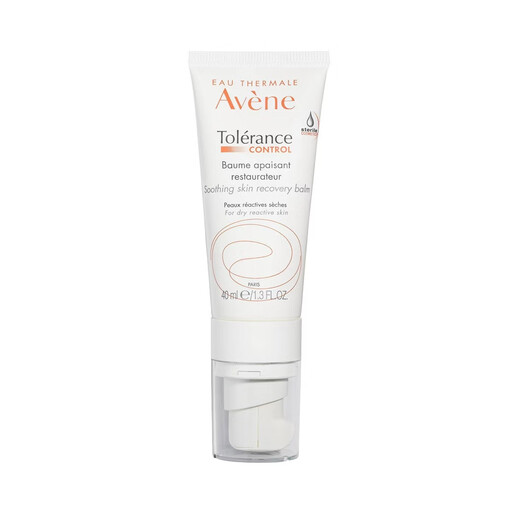
Why this choice could work for you: its face format, the stated absence of fragrance and its rich texture are aimed at dry, reactive or intolerant skin.
The formula relies on neither exfoliating actives nor fragranced ingredients. A relevant choice for simplifying your routine when comfort comes first.
Balm for the face, neck and eye contour according to the listing, with sterile packaging and no added preservatives.
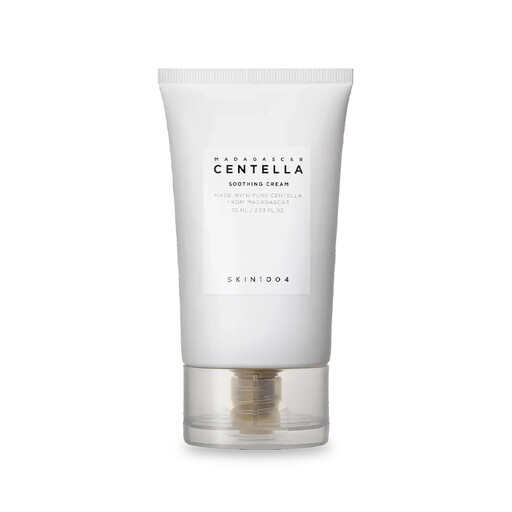
Why this choice could work for you: its texture, described as light and non-greasy, can easily fit into a facial routine that doesn't tolerate thick balms.
The listing recommends a patch test before first use. This precaution is all the more relevant as the formula contains several plant extracts.
75 ml, centella asiatica, glycerin, hyaluronic acid and several ceramides listed in the composition.
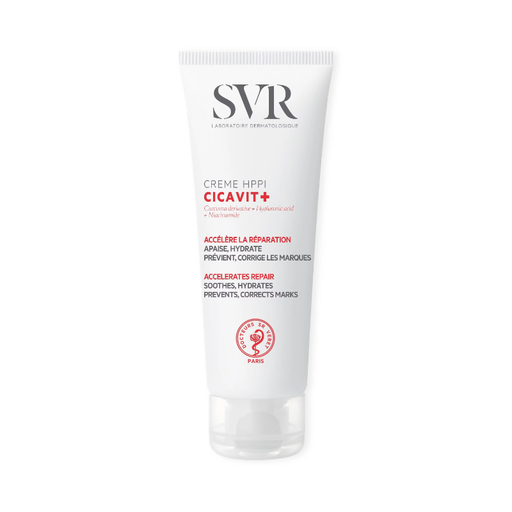
Why this choice could work for you: its use on both face and body allows you to target areas sensitised by cold, friction or dryness.
The listing recommends applying it in a thin or thicker layer depending on the area. Do not apply it to an open wound without medical advice and stop using it if a reaction occurs.
40 ml format, face and body application, with glycerin, shea butter, dimethicone and mineral gluconates in the stated formula.
We've put together an updated selection of products suited to different needs for comfort, hydration and skin protection.
It's not systematically advised against, but you need to check the formula. A body cream may contain fragrance or have a richer texture that feels less pleasant on the face. If your skin is reactive, opt for a product where use on the face is clearly indicated.
Respect the PAO printed on the packaging, for example "12M" for twelve months after opening. Close the pot or tube after each use, keep it away from heat and direct light, and throw the product away if its smell, colour or texture changes.
It can be suitable for some people, but targeted actives call for greater caution. Introduce only one new product at a time, start with a few applications per week and use sun protection during the day. On very reactive skin, it's sometimes better to start with simple hydration before adding an anti-ageing, anti-blemish or brightening cream.