
Livraison le jour même ou le lendemain

Qualité garantie

Débloquez vos offres de bienvenue: Livraison GRATUITE | Jusqu'à -80 % | 30 jours d'essai gratuits à JoyPlus
Téléchargez l'application
A moisturiser for sensitive skin needs to meet a simple goal: reduce tightness, maintain comfort and avoid further weakening the skin barrier. The trouble is, packaging is full of promises — repair, radiance, soothing — without always spelling out the texture, the active ingredients used or the precautions to take.
To avoid buying a product that ends up at the back of a cupboard, focus on comparing the formulation, the area of application and the expected tolerance. A face cream designed for reactive skin won’t necessarily suit dry skin on your legs, hands or the rest of your body.
A formula rich in glycerin, hyaluronic acid or humectants helps the skin retain water. Formulations containing shea butter, oils or occlusive agents, on the other hand, provide more comfort to dry areas by limiting water loss.
A non-greasy moisturiser can work perfectly well on the face or for combination skin. For the body, a nourishing cream will often feel more enveloping. However, don’t choose a texture just because it seems “rich” — it could leave a sticky film or become uncomfortable if your skin doesn’t tolerate overly thick products well.
This label doesn’t mean you can skip checking the INCI list. A formula marketed as soothing may contain fragrance, essential oils or several plant extracts that won’t necessarily suit all reactive skins.
To choose a soothing cream for sensitive skin, check in particular for the presence of fragrance, denatured alcohol and exfoliating actives. If your skin tends to go red, it’s better to keep your routine short and introduce each new product gradually.
Formulas based on AHAs, BHAs, PHAs, retinal or vitamin C target specific concerns. They don’t replace a daily moisturiser. Acids, for example, can make the skin more sensitive to the sun: applying sun protection during the day is therefore especially recommended.
An anti-redness cream, a repairing cream or one designed for acne marks should therefore be chosen based on your skin’s actual tolerance, not just the promise on the pot.
A moisturiser for both face and body can be handy for the whole family. However, the eye contour and heavily irritated areas require extra caution.
Glycerin and other humectants help maintain skin hydration. Ceramides, cholesterol and lipids similar to those naturally present in the skin are often sought after in a repairing barrier cream. Panthenol, allantoin and certain soothing actives can complete the formula.
The presence of these ingredients doesn’t guarantee universal tolerance. Manufacturers can also change their formulations: always check the packaging of the product you receive, especially if you have a known allergy.
A cosmetic product is not a substitute for a medical diagnosis or treatment. If you experience pain, weeping, persistent itching or a significant reaction, seek advice from a healthcare professional.
Before first use, test a small amount on a limited area. Stop using the product immediately if redness, itching or irritation occurs. For babies, pregnant women and people with very fragile skin, carefully check the manufacturer’s instructions.
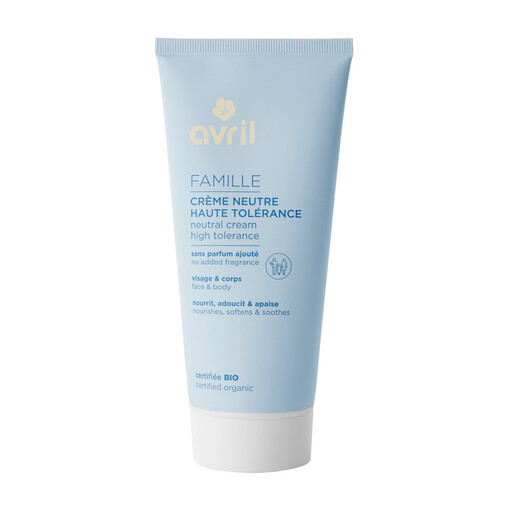
Why this choice suits this profile: With its 200 ml and its ability to be used on both face and body, this cream fits easily into a simple family routine, especially for dry areas.
Its formula with no added fragrance is designed for sensitive and reactive skin — a point often overlooked when choosing.
200 ml, formula stated as 100 % natural origin, organic shea butter and sweet almond oil.
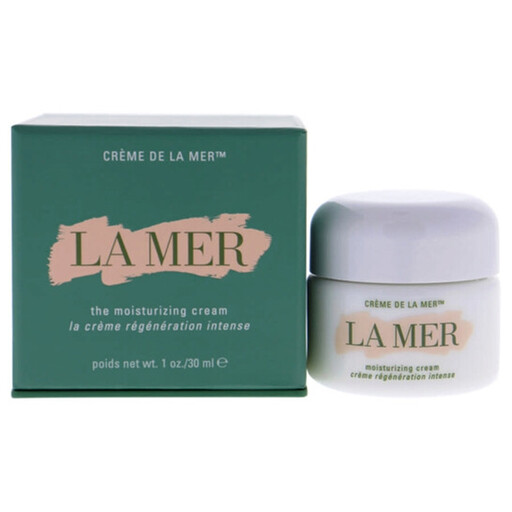
Why this choice suits this profile: Its small size is aimed at those looking for a premium sensory experience and a rich texture for the face.
At 30 ml, it lets you test the product with a limited size rather than going straight to a large format.
Face cream with a nourishing texture, presented with the Miracle Broth elixir highlighted by the brand.
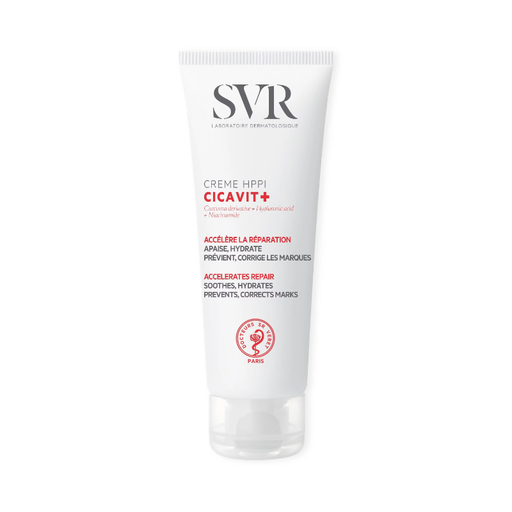
Why this choice suits this profile: Usable on both face and body, it suits people targeting localised areas exposed to irritation or harsh weather conditions.
Marketed as a repairing cream for irritated skin, it can be applied in a thin or thicker layer depending on the area.
40 ml, morning and evening application recommended by the brand, with glycerin, shea butter and dimethicone.
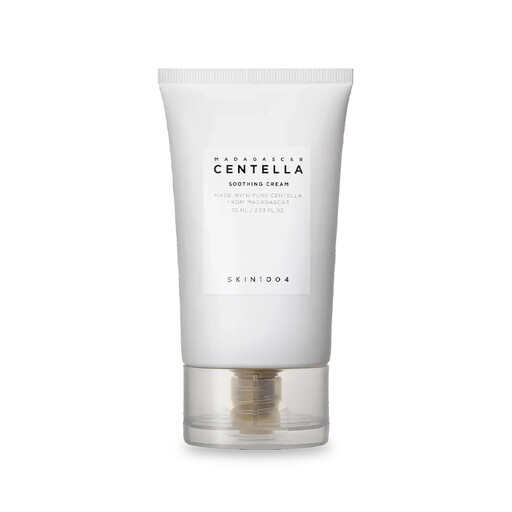
Why this choice suits this profile: Its texture, described as light and non-greasy, can fit into a daily face routine, especially if rich creams are hard to tolerate.
The listing mentions fast absorption and a texture with no greasy residue — two useful criteria for dehydrated skin that is prone to shine.
75 ml, Centella asiatica extract, ceramides and hyaluronic acid listed in the formulation.
We’ve put together a comprehensive, real-time selection of products that meet these exacting criteria as well as European safety standards.
Start with a moisturising formula containing glycerin. If tightness persists, then opt for a more nourishing texture. For the body, a large format helps maintain regular application. On the face, choose a texture suited to your skin type and avoid piling on active ingredients.
Yes, provided the manufacturer clearly states this dual use. A body cream can, however, turn out to be too rich for some facial skins. Avoid the eye contour and irritated areas if the instructions don’t explicitly mention them.
Follow the open-jar symbol, often shown as “12M”, as well as the date on the packaging. Close the product after each use, store it away from heat and stop using it if its smell, colour or texture changes.