
Livraison le jour même ou le lendemain

Qualité garantie

Débloquez vos offres de bienvenue: Livraison GRATUITE | Jusqu'à -80 % | 30 jours d'essai gratuits à JoyPlus
Téléchargez l'application
A moisturiser for sensitive skin has to meet several challenges: reduce feelings of discomfort, protect the skin barrier and be suitable for the area you’re targeting. Yet the packaging doesn’t always make it easy to tell a genuinely suitable formula apart from a product that relies more on its marketing claims.
Dry, reactive, atopic or redness-prone skin: here are the criteria to check before you buy, along with a selection of products tailored to different needs.
A pleasant scent doesn’t guarantee good tolerance. For fragile skin, it’s better to choose a fragrance-free moisturiser for sensitive skin, especially if you’ll be applying it every day to your face, hands or already irritated areas.
However, do take the time to check the ingredients list: some creams marketed as gentle still contain the word ‘Parfum’. This is particularly true of several formulas designed for dry skin or for the whole family.
Claims like ‘24 h’ or ‘72 h’ are based on information provided by manufacturers and can vary depending on how you use the product. They don’t replace the need to look at the texture, the ingredients and how often you apply it.
Very dry skin may need a richer cream. On the other hand, reactive facial skin might prefer a lighter product that’s easy to apply under sunscreen.
A face and body cream for reactive skin isn’t automatically suitable for the eye area, for babies or for areas with broken skin. Always check the manufacturer’s instructions, usage precautions and recommended age.
If you have persistent itching, weeping, significant cracks or flare-ups that could suggest eczema, it’s best to see a doctor. A cosmetic cream is not a substitute for prescribed treatment.
When choosing a moisturiser for fragile skin, start by looking at the first ingredients on the list:
If your skin reacts easily, choose a fragrance-free formula and test it on a small area first. Terms like ‘hypoallergenic’, ‘dermatologically tested’ or ‘high tolerance’ indicate a particular formulation or testing approach, but they don’t guarantee that you won’t have an individual reaction.
For the face, a light cream or a low-occlusion balm often feels more pleasant in the morning. For elbows, hands, legs or very dry areas, a richer texture usually helps limit tightness.
A family cream for face, body and hands can reduce the number of products in your bathroom. However, a smaller, targeted format will be more practical for a specific area or occasional use.
An organic moisturiser for sensitive skin should be backed by a clearly identifiable certification, such as COSMOS Organic, and not just the word ‘natural’. Also check the country of manufacture, the volume, the usage precautions and the ingredients list printed on the packaging, as this can change.
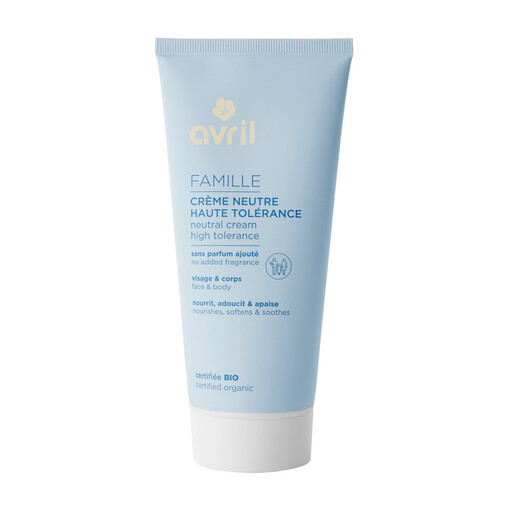
Why this choice suits this profile: A versatile formula to start with just one product for face and body, in a 200 ml size.
The product page states a formula with no added fragrance, 100 % natural origin, and COSMOS Organic certification from Ecocert Greenlife.
Organic sweet almond oil and shea butter, vegan formula, made in France and suitable for both face and body.
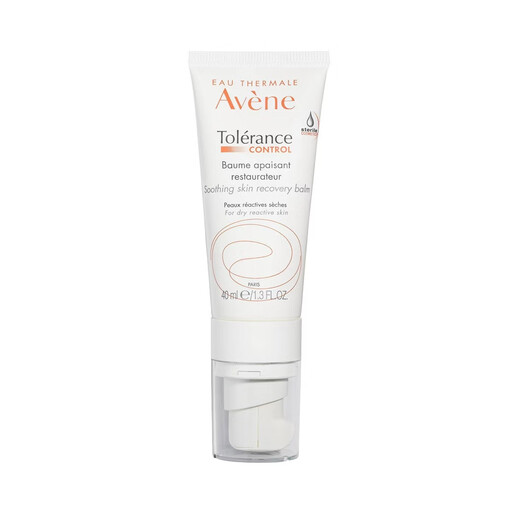
Why this choice suits this profile: A 40 ml facial product for dry, reactive, intolerant or hypersensitive skin that prefers a balm texture.
The stated formula is fragrance-free and preservative-free, and its packaging is sterile according to the manufacturer’s information.
Shea butter and squalane, suitable for face, neck and eye contour, with a rich texture ideal for minimalist routines.
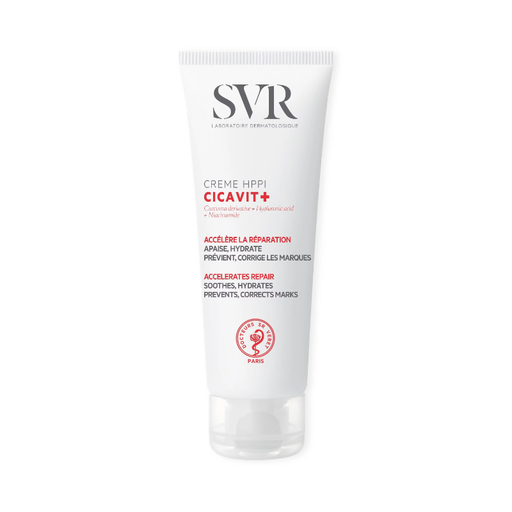
Why this choice suits this profile: A targeted format for irritated or weakened areas on the face and body, designed more for localised use than for daily whole-family hydration.
Its 40 ml size means you can reserve the cream for the areas that need it and adjust the application – thin or thicker layer – as directed.
Shea butter, glycerin and protective agents; apply morning and evening as per the product page, with a recommendation to stop use if irritation occurs.
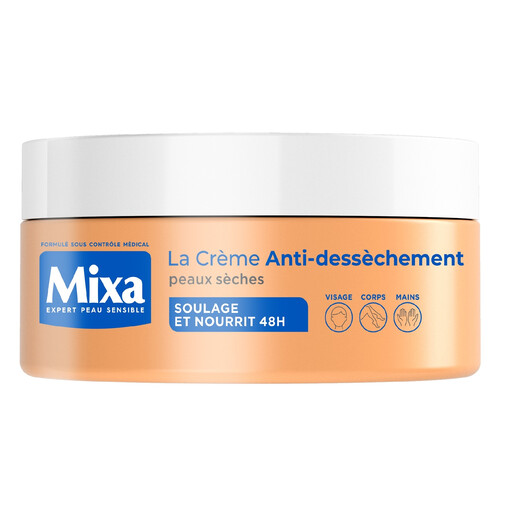
Why this choice suits this profile: A 150 ml size for regular use on the face, body and hands, without jumping straight to a large pot.
The stated texture is non-sticky and the formula contains plant oils. However, the list does mention fragrance – something to check depending on your tolerance.
Glycerin, shea butter, sweet almond and soya oils; suitable for the whole family and made in France according to the product page.
We’ve put together a comprehensive, real-time selection of products that meet these demanding criteria and comply with European safety regulations.
Apply the product to clean, slightly dried skin without rubbing fragile areas. A small amount is usually enough; increase it on very dry hands, knees or elbows. For a family cream intended for the face, body and hands, apply it after washing and reapply if your skin feels tight.
Before first use, test it on a small area for a day or two. Avoid contact with the eyes and stop using the product if you experience redness, burning or unusual itching.
Start with a fragrance-free formula containing hydrating agents like glycerin and nourishing ingredients such as shea butter. If the skin is very rough, you could consider a formula with urea, following the instructions and checking the tolerance of the area concerned.
Yes, if the product is explicitly stated as suitable for both areas. A face and body cream designed for reactive skin can simplify your routine, but your face may prefer a less rich texture. Always check the manufacturer’s recommendations.
A soothing cream for sensitive skin is primarily aimed at improving comfort and reducing feelings of tightness. A skin barrier repair cream focuses more on protective, nourishing or film-forming agents. In both cases, these are cosmetic products that do not treat a diagnosed condition.