
Livraison le jour même ou le lendemain

Qualité garantie

Débloquez vos offres de bienvenue: Livraison GRATUITE | Jusqu'à -80 % | 30 jours d'essai gratuits à JoyPlus
Téléchargez l'application
Skin that feels tight, red, or easily inflamed can quickly become a real headache. Finding the right moisturiser for sensitive skin often feels like an uphill battle, caught between tempting marketing promises and endless ingredient lists. As a product expert at Joybuy, my mission is to help you make sense of it all. Let's decode the labels together to avoid the common pitfalls and choose a product that truly works for you.
The sensitive skincare aisle is saturated. To avoid disappointment (and wasted money), it's essential to know how to read between the lines of marketing claims.
To make the right choice, rely on concrete facts rather than advertising slogans. Here are the three points to scrutinise.
The INCI list (International Nomenclature of Cosmetic Ingredients) is your best friend. For sensitive skin, opt for short lists. Be wary of the following ingredients appearing near the top of the list (which indicates a high concentration):
A good cream for dry, sensitive skin must do more than just hydrate. Its mission: to help restore the epidermis's barrier function. Look for ingredients that strengthen this skin barrier?:
Is the product for the face, body, or both? Is it suitable for children? A repair cream designed for a very dry area won't necessarily be suitable for all-over facial application. Likewise, a family-friendly product should have a high-tolerance formula, often fragrance-free, and be tested under dermatological and paediatric control.
To guide you, here is our selection of products with formulations that meet specific needs.
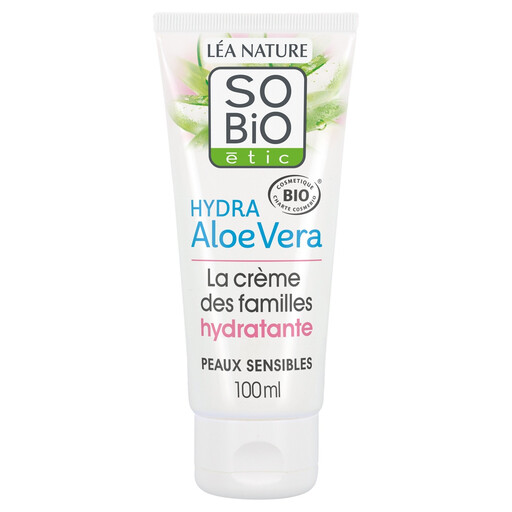
Why we love it : Perfect for families who want a single, safe, and certified organic product for the face, hands, and body. Its format is ultra-practical, and its formula is suitable for the sensitive skin of both children and adults.
No exotic ingredients here, just gentle, reliable actives (aloe vera, shea butter) at the heart of a COSMOS Organic certified formula. A guarantee of a healthy and respectful composition.
Certified organic multi-use formula, tested under dermatological control, with 99% of ingredients from natural origin.
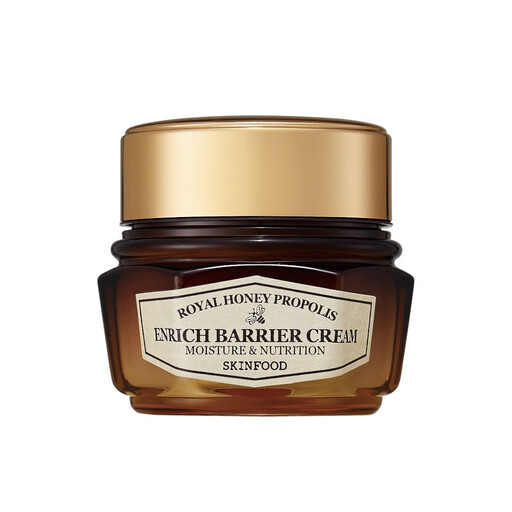
Why we love it : For fragile, reactive skin that needs an SOS treatment. This cream focuses on nourishing and strengthening the skin barrier to make it more resilient.
It does more than just hydrate. Its strength? A high concentration of specific actives (propolis, royal jelly) known for their repairing properties, which fully justifies its targeted action.
Formulated with 50% aged black propolis extract (PRO-SHIELD) to help strengthen the skin barrier and lock in moisture.
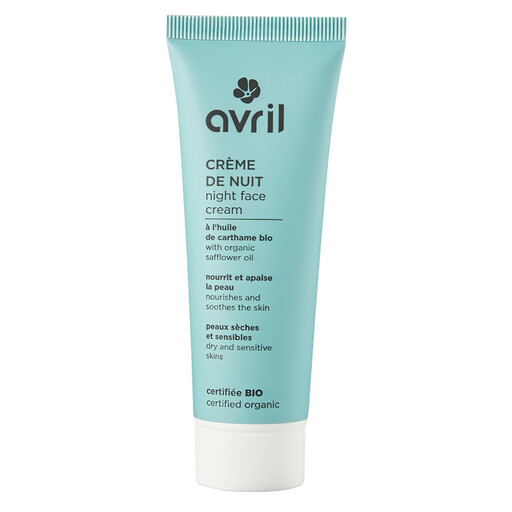
Why we love it : The perfect treatment for those who want a dedicated, certified organic night ritual to deeply soothe and nourish their dry, sensitive skin while they sleep.
It avoids the "natural at all costs" trap by relying on a COSMOS Organic certified formula designed specifically for sensitive skin. The result: a gentle and perfectly balanced composition.
Certified organic by Ecocert, it's enriched with organic safflower oil and aloe vera for intense nourishment, all without a greasy finish.
We've curated a full range of products that meet these strict selection criteria.
Yes, provided the product is clearly labelled "face and body" or "multi-use." Creams intended for the body alone are often richer and more occlusive, which can be a bit too much for the delicate skin on your face. When in doubt, always follow the manufacturer's instructions.
Ideally, twice a day, morning and evening, on perfectly clean, dry skin. If your skin feels tight or uncomfortable during the day, don't hesitate to reapply a small amount to the affected areas.
Not necessarily. A "fragrance-free" product is formulated without added fragrances, which significantly reduces the risk of a reaction. However, other ingredients can still be irritating. The term hypoallergenic guarantees that the entire formula has been designed to minimise these risks, but a patch test (applying a small amount of product to the crook of your elbow for 24 hours) remains the best precaution before using it on your face.