
Livraison le jour même ou le lendemain

Qualité garantie

Débloquez vos offres de bienvenue: Livraison GRATUITE | Jusqu'à -80 % | 30 jours d'essai gratuits à JoyPlus
Téléchargez l'application
Finding the right moisturiser for sensitive skin—one that won’t let you down—can feel like an uphill battle. Between tightness, redness, and high reactivity, choosing the wrong product can quickly turn into a nightmare. The market is flooded with promises, but not all of them deliver. As a product expert at Joybuy, I'm here to separate fact from fiction for you. Let's review the most common mistakes so you can finally make the right choice.
Pitfalls to avoid when buying a product for reactive skin:
To get it right, rely on objective criteria. An excellent soothing face cream combines a smart formula with a perfectly adapted texture.
The INCI list is your greatest ally. You don't need to know everything by heart, but being able to spot a few key ingredients makes all the difference for an effective anti-redness treatment.
The sensory experience matters, but the texture must above all serve your skin type.
Here are a few options that meet specific needs, based on the objective criteria we've just discussed.
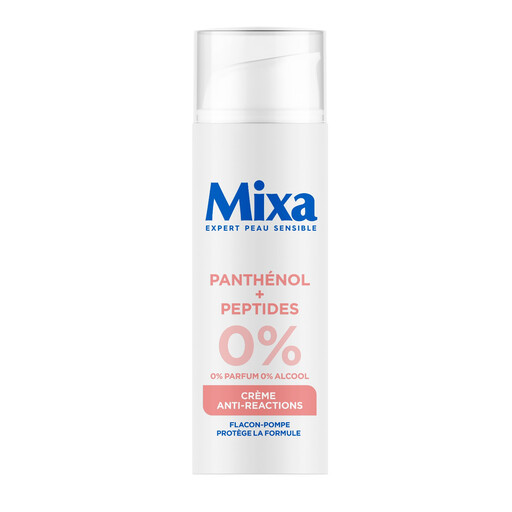
Why we chose it: The reliable and affordable solution for calming daily skin reactions (redness, tightness) without breaking the bank. Its formula is designed for the most reactive skin types.
It avoids the price trap by relying on a duo of proven active ingredients: panthenol and peptides.
Its strong point? A clinically tested formula that promises to reduce skin reactivity and strengthen the skin barrier, with hydration maintained for 48 hours.
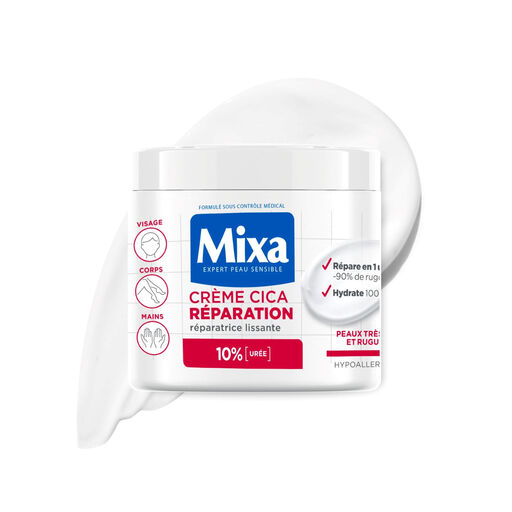
Why we chose it: The SOS treatment for face and body skin that is crying out for help. Perfect for rough patches, it intensively restores comfort and softness.
It tackles the problem of very dry areas where classic moisturisers fail, thanks to its 10% urea concentration, a gentle exfoliating ingredient that smooths skin texture.
Dual hydrating and smoothing action thanks to urea and niacinamide. Its generous 400ml size allows for use on both the face and body.
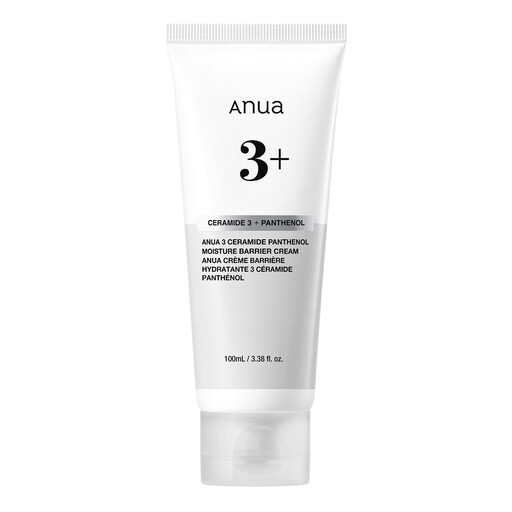
Why we chose it: For fans of Korean beauty rituals who prioritise skin barrier health. An innovative and gentle formula, focused on star ingredients like ceramides and Centella Asiatica.
Rather than a single "miracle" ingredient, it relies on a synergy of active ingredients (3 types of ceramides, panthenol) for comprehensive action on the skin barrier.
Its non-comedogenic formula features ceramide capsules that melt onto the skin for optimal absorption. Its lightweight texture leaves no sticky residue, a real plus for all sensitive skin types.
Discover our full selection of expert-approved skincare, all compliant with our quality charter and regulations.
To put it simply, a hydrating cream brings water to the skin (thanks to ingredients like hyaluronic acid or glycerin). A nourishing cream, on the other hand, provides lipids (fats, like plant-based oils or butters) to protect it and repair its protective film. Sensitive skin can lack water (dehydrated), fat (dry), or both at the same time!
Not exactly. The hypoallergenic label guarantees that the formula was designed to minimise the risk of allergies (without fragrance or known allergens). But zero risk doesn't exist, as every skin is unique. Our advice: always perform a patch test on the crook of your elbow or behind your ear 48 hours before applying it to your entire face.
Ideally, morning and night on clean skin. In the morning, it acts as a shield against the day's aggressors (pollution, cold...). At night, it supports the skin's natural regeneration process. Above all, listen to your skin: if it feels tight during the day, don't hesitate to apply a small amount.