
Livraison le jour même ou le lendemain

Qualité garantie

Débloquez vos offres de bienvenue: Livraison GRATUITE | Jusqu'à -80 % | 30 jours d'essai gratuits à JoyPlus
Téléchargez l'application
Tightness after showering, rough patches on your legs, hands that mark easily or an uncomfortable face in winter: a moisturiser for dry and sensitive skin needs to meet several needs at once. However, promises of “long-lasting hydration” or “intensive repair” are not enough to help you make the right choice.
The Joybuy Product Recommendation Officer’s role is to scrutinise commercial information, helping you make practical comparisons between textures, sizes and formulations.
Dry skin lacks water, but it may also lack protective lipids. A lightweight cream made mainly with humectants can provide a fresh sensation without being enough for very dry areas. Conversely, a very rich nourishing cream for dry skin may feel pleasant on the body but too thick or occlusive for the face.
Claims such as 24-hour and 48-hour hydration relate to each product’s individual promises and testing conditions. They do not guarantee the same level of comfort for everyone. The climate, how often you shower, indoor heating and the amount applied can all affect how long the comfortable feeling lasts.
A formula described as gentle or hypoallergenic may still contain fragrance or certain fragrance allergens. If your skin reacts easily, check the ingredients list on the packaging — it may change over time — and test the product on a small area before applying it more widely. If irritation persists, stop using the product and seek advice from a healthcare professional.
Glycerine helps retain water on the skin’s surface. Hyaluronic acid, often found in the form of sodium hyaluronate, is also commonly used as a hydrating ingredient. It is often found in a hyaluronic acid cream designed for dehydrated skin.
For very dry skin, also look for more nourishing or protective ingredients such as shea butter, plant oils, squalane, dimethicone or occlusive agents. A shea butter cream may be suitable for the hands, legs and areas that feel the tightest.
Urea is commonly used in skincare for dry, rough skin. In a urea cream, it helps smooth the sensation of roughness, depending on its concentration and the formula used. However, sensitive skin may benefit from introducing it gradually, particularly on an area that is already weakened.
For redness or surface-level discomfort, panthenol, glycerine and certain emollients are often sought after in a soothing cream for sensitive skin. These cosmetic products do not replace medical treatment when the skin has a lesion, infection or diagnosed condition.
A large-format face and body moisturiser is well suited to daily or family use on the arms, legs and hands. A 50 ml tube is more practical for the face, travelling or a targeted routine. Also consider the texture: fluid lotion, gel-cream, rich cream and balm do not offer the same feel on application.
For children and babies, read the usage precautions carefully and only use a product whose labelling clearly states that it is intended for them. European cosmetics regulations require packaging to include an ingredients list and usage precautions, among other information.
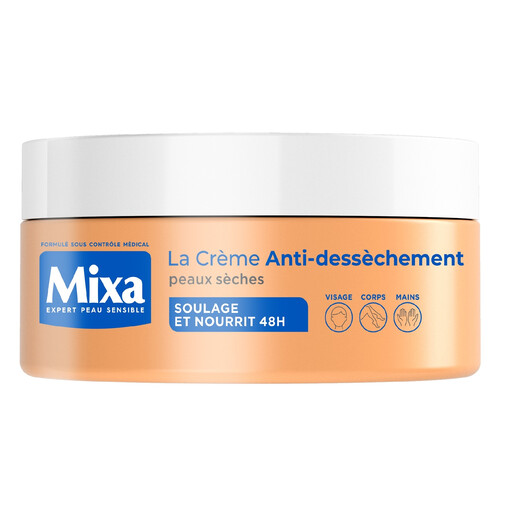
Why this choice suits this profile : An affordable format for starting a daily routine for the face, body and hands, without building up a collection of products.
The product information details the presence of glycerine, shea butter and plant oils, rather than relying solely on a promise of freshness.
150 ml format, a texture described as non-sticky and a formula presented by the brand as hypoallergenic.
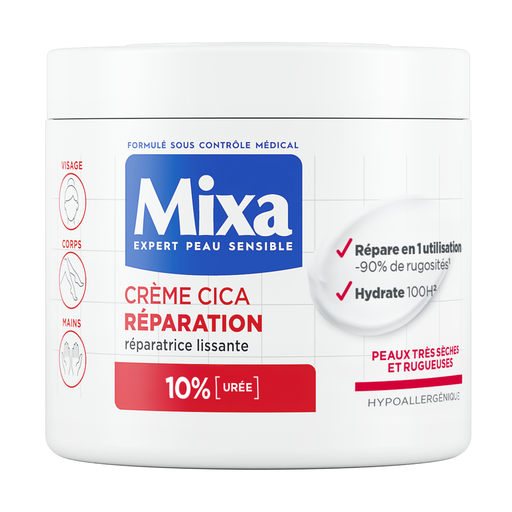
Why this choice suits this profile : The large bottle is ideal for regular application to dry, rough areas of the body.
The formula includes urea and glycerine, two ingredients that fit the search for a hydrating, smoothing treatment for dry skin.
400 ml capacity, a formula described as hypoallergenic and niacinamide listed in the product information.
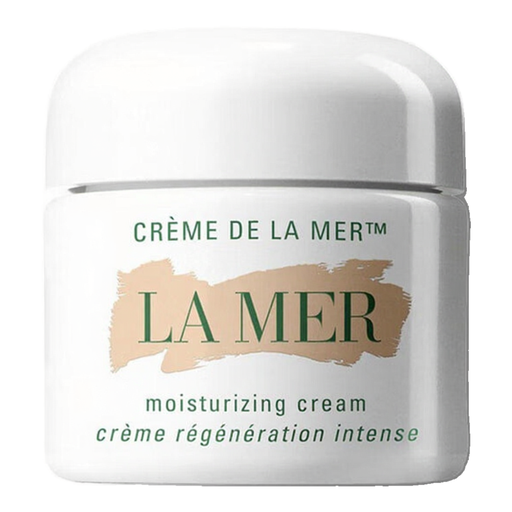
Why this choice suits this profile : A very rich texture and a distinctive application ritual for those looking for a premium skincare experience.
The ingredients list is accessible and also indicates the presence of fragrance and fragrance allergens — an important consideration for reactive skin.
100 ml capacity, an ultra-rich texture and detailed usage advice from the brand.
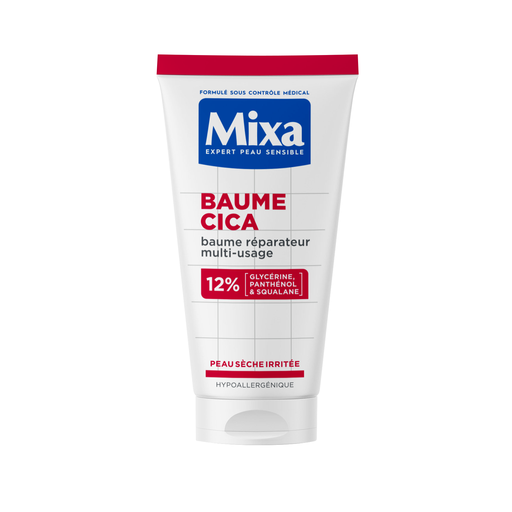
Why this choice suits this profile : The small format is ideal for targeted application to the hands, dry lips or specific areas of discomfort.
The formula combines panthenol, glycerine, shea butter and squalane, without presenting the product as a medical treatment.
A balm with a protective texture, intended for family use and clearly labelled for external application.
We have put together a complete, real-time-updated list of products that meet these exacting selection criteria and European safety regulations.
Apply your skincare after showering, to slightly towel-dried skin, to help reduce the feeling of tightness. For the face, a small amount is generally enough after gentle cleansing. On the body, pay particular attention to the shins, elbows, knees and hands.
A repairing cream or rich balm can be reserved for particularly dry areas. Conversely, a hyaluronic acid gel-cream is a better choice if you are looking for a lightweight feel. Avoid the immediate eye area if the product is not intended for this use.
Choose a product clearly indicated for both uses and select a texture that fits into your routine. A large format is convenient for the body, but a dedicated face moisturiser may be more suitable if your skin reacts easily to fragrance or rich textures.
Check the open-jar symbol on the packaging, for example “12M”, which indicates the recommended period of use after opening. Also follow the best-before guidance and store the product away from heat and sunlight. Any change in smell, colour or texture should prompt you to stop using it.
No. “Hypoallergenic” describes a formulation approach intended to limit the risk of an allergic reaction, but it is not an individual guarantee. Check the INCI list, particularly for any fragrance, and carry out a patch test before using the product for the first time.