
Livraison le jour même ou le lendemain

Qualité garantie

Débloquez vos offres de bienvenue: Livraison GRATUITE | Jusqu'à -80 % | 30 jours d'essai gratuits à JoyPlus
Téléchargez l'application
Condensation on windows, musty smells in a cupboard or a damp feeling in the bedroom – a moisture absorber can help reduce excess humidity in small spaces, without any noise or plugging in. You just need to pick a format that suits the room and the purpose.
Not all products in this category meet the same needs. A sachet designed for a dressing room won’t necessarily be effective in a 20 m² room. Conversely, a non-electric device gradually captures moisture, but it won’t replace proper ventilation if your home has a structural problem.
An absorber intended for a cupboard, a car or a drawer typically handles a small volume, often around 1 to 2 m². Placing it in a bathroom or a larger bedroom is likely to give disappointing results. For a room of up to 10 or 20 m², it’s better to choose a unit with a refill of several hundred grams.
A moisture absorber can reduce the amount of water in the air and help limit condensation in certain conditions. However, it won’t fix a leak, a damp-proofing issue or a lack of ventilation. Claims like anti-humidity, anti-odour and anti-mould should be seen as product features, not as a miracle cure for problems in your home.
The price of the device is only part of the budget. Check the weight and type of refill: a 450 g dehumidifier refill is not compatible with a 50 g sachet. For regular use, also compare how many refills are included and whether there’s a saturation indicator.
For a bedroom, living room, kitchen or bathroom, look for a moisture absorber for rooms up to 20 m² if the floor area matches that indication. The device should be placed upright on a stable surface, with space around it to allow good air circulation.
In a dressing room, cupboard, car, caravan or boat, a compact format is more practical. Hanging sachets take up little space, but they must be installed according to the manufacturer’s instructions. Avoid covering them or placing them directly against textiles and electronic devices, especially if there’s a risk of leakage.
A non-electric dehumidifier usually works with hygroscopic crystals or beads. Depending on the model, the moisture turns into gel or flows into a reservoir. The solution is silent, but it needs regular monitoring.
In particular, check:
Lavender moisture absorber sachets can work well in a dressing room, drawer, shoe cupboard or car if you enjoy fragranced scents. In a bedroom or office, a neutral refill is often more discreet. The scent doesn’t change the coverage capacity – it mainly affects the olfactory experience.
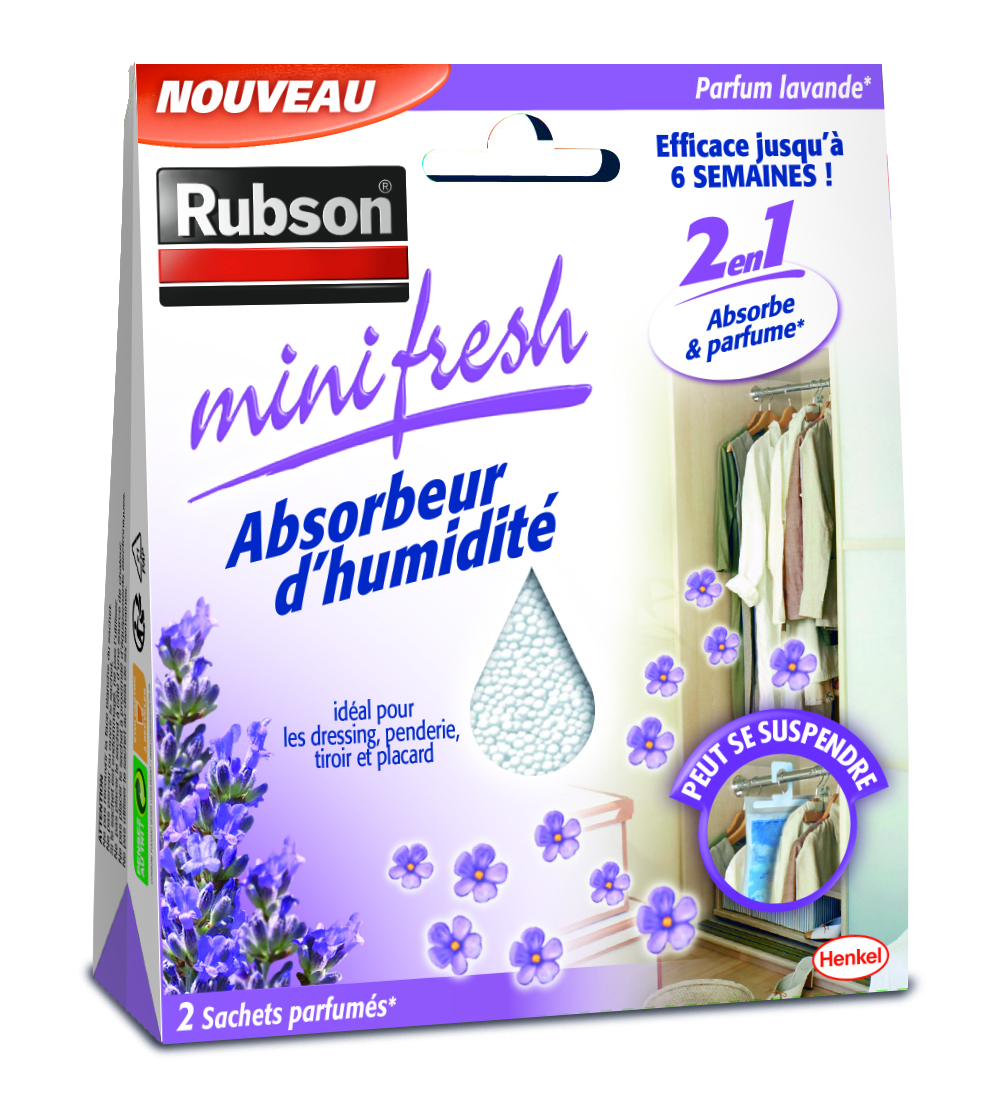
Why this choice suits this profile: This format is ideal for small spaces of 1 to 2 m², such as a cupboard, drawer, dressing room or car. It can be placed flat or hung up.
The stated coverage area prevents you from buying an oversized device for a small volume. The hygroscopic beads turn into gel when the sachet is saturated.
Two 50 g sachets, a lavender fragrance, an adhesive hook and a stated lifespan of up to six weeks depending on the humidity level.
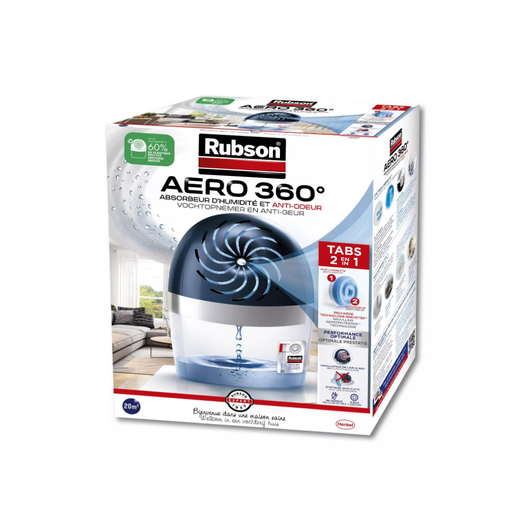
Why this choice suits this profile: This unit is aimed at those looking for a durable, silent, plug-free solution for a medium-sized room.
The stated 20 m² capacity reduces the risk of choosing a simple sachet meant for a cupboard. The indicator tells you when the refill needs replacing.
360° air circulation, a neutral 450 g refill included and a unit made with 60 % recycled plastic, according to the product sheet.
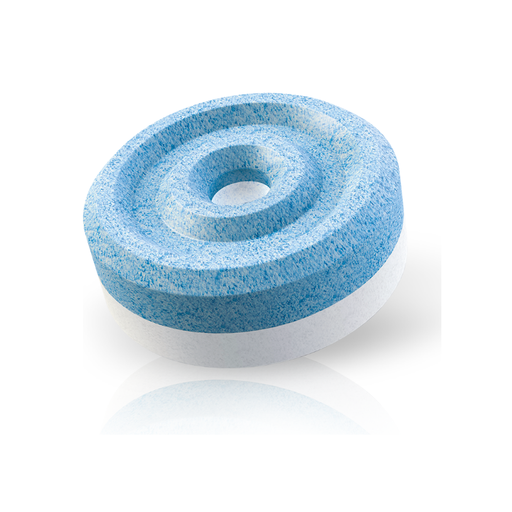
Why this choice suits this profile: This pack is ideal for extended use in a bedroom, bathroom, caravan, boat or any other space that needs regular refills.
Compatibility is stated with RUBSON AERO 360° devices and absorbers that accept refills of at least 450 g. However, do check the format of your unit.
Four refills, a claimed action against humidity and odours, and a first visible water droplet after approximately 12 hours.
Place the device on a flat surface, away from heat sources and direct sunlight. Avoid overly confined corners if the model needs air circulation around the refill. The crystals must never be ingested: keep the product out of reach of children and pets.
With a sachet, never open or pierce it. Replace it when the gel has formed or when the collection area is full. For a unit with a reservoir, empty the water carefully, rinse the device if the instructions recommend it, then wash your hands after handling.
The lifespan depends on the temperature, air circulation, room size and humidity level. A small-space sachet may be stated to last up to six weeks, while a 300 g refill can last around two months in a 10 m² room. These figures are indicative and vary according to actual conditions.
No. It works without mains power and is silent. Its running cost mainly comes from replacing refills or sachets. To compare offers, calculate the price per refill rather than relying solely on the unit price.
Yes, as long as you choose a model suited to a small volume and keep it perfectly stable. Minifresh sachets for cars are designed for compact spaces. Never place a product that could leak near electronic components, leather seats or areas directly exposed to water.