
Livraison le jour même ou le lendemain

Qualité garantie

Débloquez vos offres de bienvenue: Livraison GRATUITE | Jusqu'à -80 % | 30 jours d'essai gratuits à JoyPlus
Téléchargez l'application
By the Joybuy expert team | Published August 26, 2026
Condensation on the windows, a stubborn musty smell, small dark spots appearing in corners... The signs are unmistakable: humidity has moved into your home. Faced with this nuisance, the moisture absorber stands out as the simplest and most cost-effective solution. But be careful—the market is a jungle of products with tempting promises, and it's easy to make the wrong choice. To avoid throwing your money down the drain (on top of your already fogged-up windows), here are the mistakes to avoid and the essential criteria for choosing a truly effective model.
Navigating the jungle of moisture absorbers isn't easy. Too many users end up with an ineffective product or one that becomes a financial black hole over time. Here are the 3 most common traps to avoid:
To make the right choice and find a truly effective mold solution, ignore the marketing speak and focus on these few decisive technical points.
This is the number one criterion. A device's absorption capacity is always calibrated for a specific surface area (in m?).
The golden rule: always check the recommended coverage area on the packaging. This is an absolute must to see visible results.
In the non-electric absorber market, two main technologies compete:
Your choice will therefore depend on your main goal: a heavy-duty home anti-humidity action (crystals) or air purification combined with gentle humidity regulation (charcoal).
A good absorber must also be practical and safe. Don't overlook these details that make all the difference in daily use:
Rather than an endless list, here are our recommended options, each tailored to a specific user profile and need.
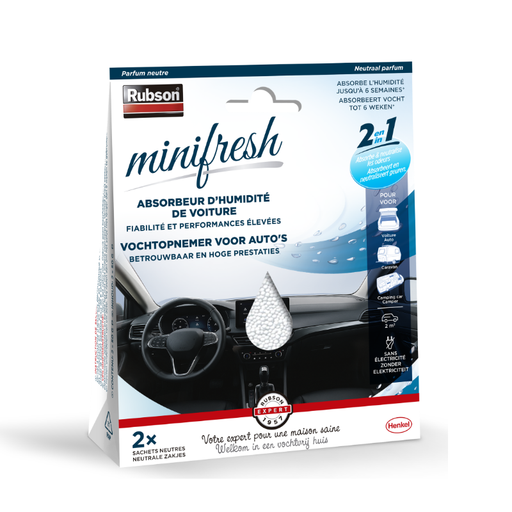
Why it's a great choice: Perfect for closets, wardrobes, or the interior of a car where moisture tends to stagnate. Its small footprint allows you to slip it in anywhere.
Its technology turns moisture into a gel, eliminating any risk of spilling corrosive liquid. A huge advantage over unstable, low-end models.
Discreet, disposable, and completely sealed, it effectively protects clothing and confined spaces. Its 2-in-1 action absorbs moisture while neutralizing odors.
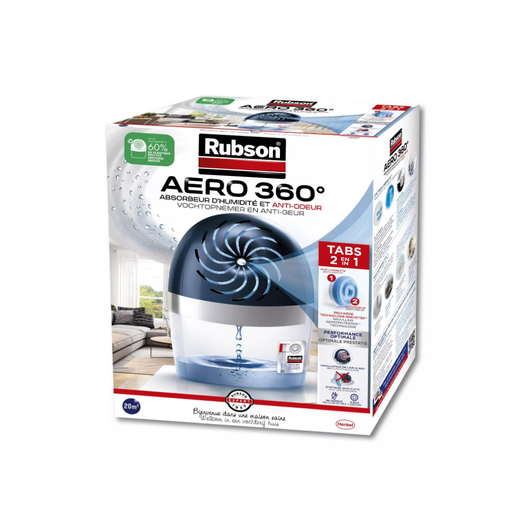
Why it's a great choice: The ideal solution for living areas, bedrooms, or bathrooms (up to 20 m?) where condensation and musty odors are a recurring problem.
It clearly states its coverage area (goodbye to the "one-size-fits-all" trap!) and its stable design includes a secure spout for emptying the brine without disaster.
Its 360° air circulation technology ensures optimal absorption. Eco-friendly bonus: the device is made with 60% recycled plastic, and its indicator lets you know when to change the refill.
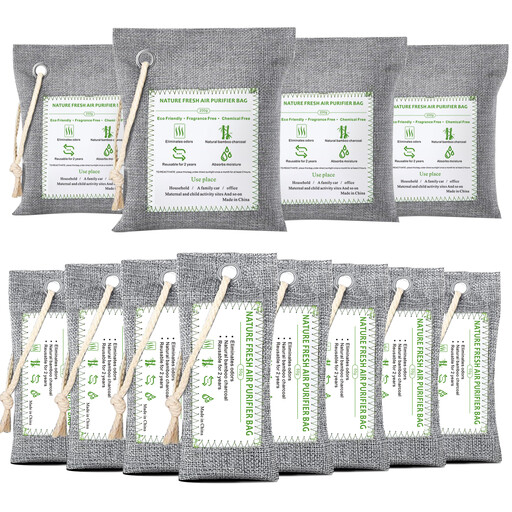
Why it's a great choice: For anyone who prefers a 100% natural solution and is looking for both an effective odor neutralizer and a humidity regulator. Ideal for homes with children or pets.
Reusable for up to two years (simply placing it in the sun is enough to recharge it), it ends the costly cycle of refills. Since it stays dry, the risk of spills is zero.
A formidable dual role: air purifier and moderate dehumidifier. Eco-friendly, fragrance-free, and comes in multiple sizes to fit any need (shoes, drawers, car...).
Moisture absorbers are often the first step. Discover our complete selection of solutions for purer, healthier air.
The lifespan of a moisture absorber refill depends on three factors: the room's humidity level, the temperature, and the area to be treated. On average, a 450g refill like the Rubson Aero 360° lasts about 2 to 3 months in a 20 m? room. For a sachet, expect a few weeks.
A moisture absorber is a preventative tool. By improving the air quality, it deprives mold and dust mites of the conditions they need to thrive. However, it won't get rid of stains already on your walls or grout. These must be treated with a specific fungicide product before installing the absorber to prevent their return.
They aren't in the same league. Salt crystal absorbers are the heavyweights of absorption, formidable for fighting visible condensation. Charcoal air purifier sachets are specialists in purification and odor neutralization, with a more moderate anti-humidity action. It all depends on your problem: a clear excess of water or a stale, slightly-too-damp atmosphere.