
Livraison le jour même ou le lendemain

Qualité garantie

Débloquez vos offres de bienvenue: Livraison GRATUITE | Jusqu'à -80 % | 30 jours d'essai gratuits à JoyPlus
Téléchargez l'application
Choosing a motorcycle helmet is never a decision to be taken lightly. Torn between the absolute protection of a full-face helmet and the freedom of an open-face (jet) one?? The modular motorcycle helmet emerges as the ideal compromise. It combines a flip-up chin bar, perfect for city stops or coffee breaks, with the security of a closed structure for riding at higher speeds.
This guide is here to help. Our goal is to walk you through the process step by step, with clear criteria and a selection of relevant products—all without unnecessary marketing jargon.
Before you jump on the latest models, let's review the key points that will make all the difference. Here are three criteria you should never overlook.
Safety is the non-negotiable criterion. Since 2022, the ECE 22.06 standard has become the new benchmark in Europe. It subjects helmets to a much more demanding series of tests than the old 22.05 standard, including oblique impacts and tests at various speeds. An ECE 22.06 motorcycle helmet is therefore your guarantee of an optimal, up-to-date level of protection. For a modular helmet, insist on dual P/J homologation: "P" for Protective (full-face) and "J" for Jet (open-face). This ensures you can ride legally and safely, whether the chin bar is down or up.
You wear a helmet for hours at a time, so comfort is paramount, especially on long rides. The inclusion of a dual-visor motorcycle helmet, featuring a retractable internal sun shield, is now almost essential. No more struggling to put on sunglasses or swap visors?: a simple flick of a switch is all it takes to adapt to changing light conditions.
Also, consider how easy it is to operate the flip-up mechanism (the chin bar). You should be able to activate it easily with one hand. Finally, take a look inside the helmet: removable and washable liners are a guarantee of hygiene and longevity.
Today, riding connected has become the norm for many bikers. If you plan to install an intercom kit, opt for a motorcycle helmet with integrated Bluetooth or, more commonly, one that is "Bluetooth-ready". These models have dedicated pockets for the speakers and microphone. The advantage? A simplified installation and preserved comfort, with no unpleasant pressure points.
Here are a few options that check all the boxes for safety and versatility, whether you're looking for a men's motorcycle helmet or a women's motorcycle helmet.
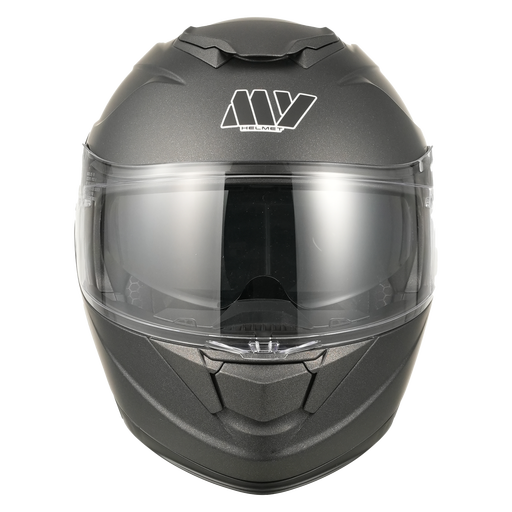
Why It Stands Out This model checks all the boxes for a great modern modular helmet. It is ECE R 22.06 certified, ensuring compliance with the latest safety standards. Its unisex design and understated finish make it a versatile all-rounder.
Advantages
Who Is It For?? Ideal for motorcycle and scooter riders looking for a do-it-all helmet for daily commutes and leisurely rides, without sacrificing safety (ECE 22.06 standard) or practical features.
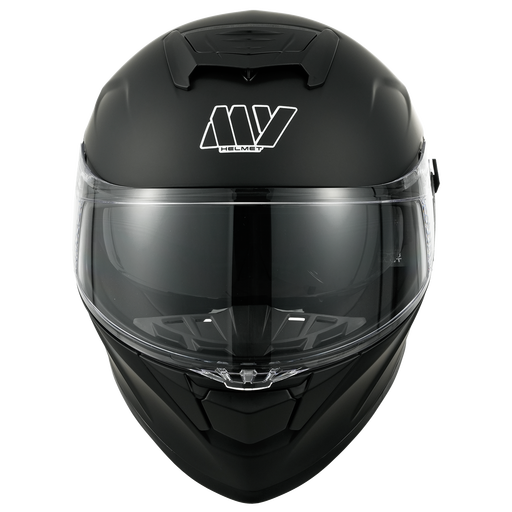
Why It Stands Out Although it's not a modular helmet, the MY-936 is a relevant option for those who prefer the structure of a full-face helmet but still want modern features. It shares the ECE R 22.06 certification and the internal sun shield of the modular model.
Advantages
Who Is It For?? For full-face purists who don't want to give up modern comfort features, like an internal sun shield and the latest safety certification.
Warning?: This helmet is not designed or approved for use on motorised motorcycles or scooters.
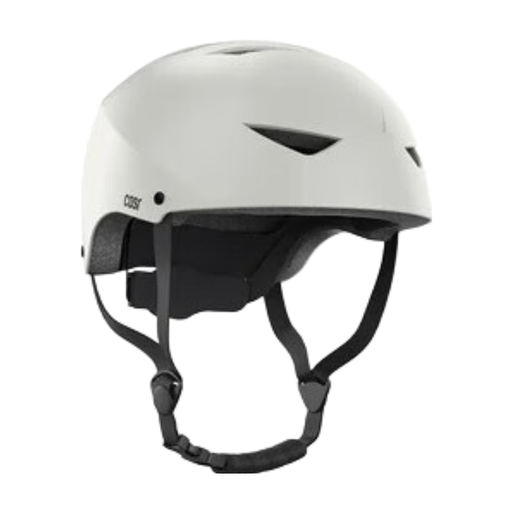
Why It Stands Out Note that we are switching categories here. Certified CE EN1078, this helmet is designed to protect you while cycling, riding an electric scooter, or skateboarding. Its urban design and light weight make it a practical accessory for micromobility.
Advantages
Who Is It For?? Exclusively for micromobility enthusiasts (cycling, scooters, skateboarding) looking for reliable and stylish protection for their urban commutes.
Our selection is just a starting point. Choosing a helmet is, above all, a very personal decision. If you haven't found what you're looking for or want to explore other types of helmets (open-face, full-face, motocross)??, we invite you to browse our full category.
? Discover Our Full Range of Motorcycle Helmets
A full-face helmet is made from a single piece, offering maximum structural protection. A modular helmet has a chin bar that flips up, transforming it into an open-face helmet. The advantage is more flexibility: you can communicate when stopped, have a drink, or simply get some fresh air without having to remove the helmet.
With the arrival of the ECE 22.06 standard, modular helmets are subjected to very strict tests, including on the chin bar's locking mechanism. A quality model with dual (P/J) homologation offers a high level of safety in the closed position. However, due to its one-piece design, a full-face helmet retains a structural advantage in the event of a severe frontal impact.
Choosing the right size is essential for both your safety and comfort.