Choosing a new motorcycle helmet can often be a daunting task. Between evolving standards, marketing jargon, and tempting designs, it's easy to make a mistake you'll later regret. As a product expert at Joybuy, my mission is to demystify the topic for you. Let's skip the sales talk and focus on what truly matters?: your daily safety and comfort. Here's how to avoid the most common pitfalls.
The 3 Biggest Mistakes to Avoid When Buying
The market is saturated with models, but they are far from being created equal. Here are three common pitfalls that can cost you dearly, both in comfort and safety.
- The Outdated Standard Trap?: Be wary of tempting deals on helmets certified under the old ECE 22.05 standard. Since 2024, the only benchmark for a new helmet is the ECE 22.06 standard. It mandates much stricter impact tests, including for oblique impacts and at various speeds, providing significantly superior protection. Buying a 22.05 helmet today means compromising on the latest safety level.
- The Myth of Universal Fit?: A helmet that's too large or too small isn't just uncomfortable?— it's dangerous. In the event of an impact, if it's not perfectly snug, it won't protect you properly. Never rely on generic sizes (S, M, L) without consulting the manufacturer's size guide and accurately measuring your head circumference.
- Overlooking Game-Changing Daily Features?: A helmet might seem perfect in the store but prove to be a nightmare in practice. No integrated sun visor? You're doomed to fumbling with sunglasses. Poor ventilation? Summer rides turn into a sauna session. And if you plan to install an intercom, a dedicated space for a Bluetooth motorcycle helmet is anything but a gimmick.
The Essential Criteria for Making the Right Choice
To avoid making a mistake, focus on these three key points. They are the true deciding factors for evaluating a helmet's quality.
1. Certification?: The Non-Negotiable Criterion
- For motorcycles and scooters (>50cc)?: Demand the ECE 22.06 label. It's your only guarantee that the helmet has passed the latest, most comprehensive tests, which include 18 impact points (up from 6 for 22.05) and better rotational resistance. A full-face motorcycle helmet or modular helmet must carry this certification.
- For electric scooters, bicycles, and skateboards?: Here, the reference standard is EN 1078. It's designed for lower-speed impacts and is sufficient for these uses. An electric scooter helmet with LED will provide a real boost in visibility, a major asset in urban environments.
2. Materials and Weight?: The Protection-Comfort Equation
The outer shell is your first line of defense.
- Polycarbonate or ABS?: These injected thermoplastics offer an excellent protection-to-price ratio. They are robust and used in the majority of helmets on the market. Expect a modular model to weigh between 1500 and 1800 grams.
- Composite Fibres (fibreglass, carbon, aramid)?: Lighter and more effective at dispersing impact energy, these are the hallmark of high-end models. The weight saving is noticeable on long journeys and provides real relief for your neck.
3. Comfort and Features?: The Details That Make All the Difference
Remember?: a safe helmet is, above all, a helmet you actually want to wear.
- Ventilation?: Look for air intakes on the chin bar and forehead, as well as exhaust vents at the rear. Good airflow is crucial for expelling heat and fog.
- Internal Sun Visor?: A helmet with a sun visor that's retractable is a convenience you won't be able to live without. It allows you to adapt to changing light conditions in a second, without having to stop.
- The Interior?: Opt for removable and washable liners, a guarantee of long-term hygiene. Hypoallergenic and moisture-wicking fabrics are a real plus for comfort.
Helmet Picks for Every Rider
Rather than just a list, we've matched relevant models to typical user profiles. The goal? To help you find the helmet that's made for you.
PROFILE: THE ALL-ROUND RIDER
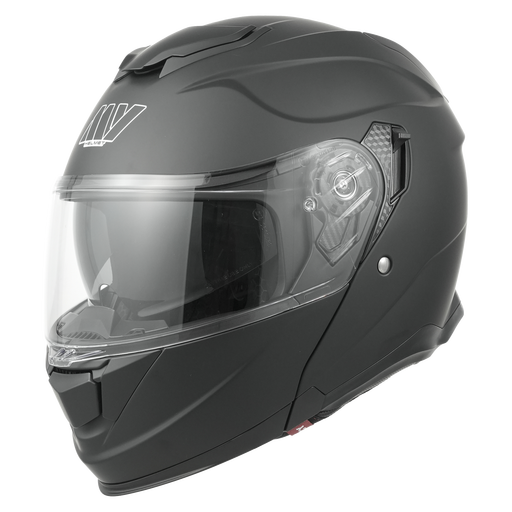
Why this choice? Ideal for daily commutes and weekend trips alike. Its modular design offers the security of a full-face helmet on the road and the convenience of a jet helmet when stopped. The perfect compromise for versatile use.
How It Avoids the Pitfalls
This model is certified ECE 22.06, ensuring protection that meets the latest standards. It includes a dual visor (clear and sun) and a slot for a Bluetooth kit, saving you from any nasty surprises down the line.
Key Strengths
High-resistance ABS shell and multi-density EPS liner for effective shock absorption. Comfortable interior, fully removable and washable.
PROFILE: THE URBAN MOBILITY ENTHUSIAST
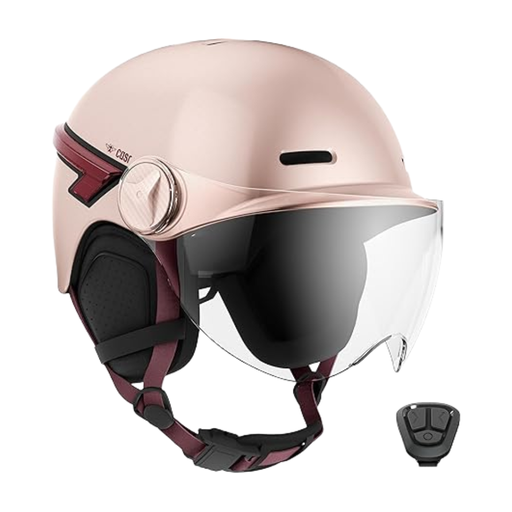
Why this choice? Perfect for fans of the electric scooter or bicycle who want to combine visibility and style. Its active lighting system is a real plus for navigating safely through traffic.
How It Avoids the Pitfalls
It ticks the "visibility" box with its 180° rear LED lighting and remote-controlled turn signals. Its occipital adjustment dial ensures a perfect fit, avoiding the poorly-fitted helmet trap.
Key Strengths
EN 1078 certified. It comes with well-thought-out accessories: a wide visor, removable ear covers, and convenient USB-C charging.
PROFILE: THE PRAGMATIC SCOOTER RIDER
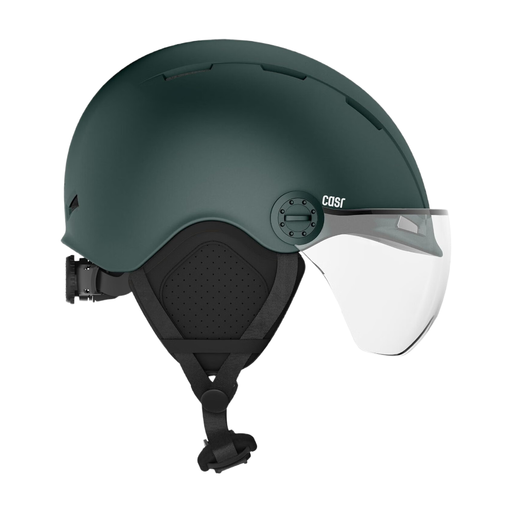
Why this choice? For those who use a scooter helmet daily and are looking for a functional, safe, and versatile model without breaking the bank. Its understated, unisex design makes it an excellent choice, whether you're looking for a men's or women's motorcycle helmet.
How It Avoids the Pitfalls
It dispels the myth of a universal fit thanks to its precise adjustment dial. Its clear visor and removable ear covers make it a 4-season helmet, saving you from needing multiple pieces of gear.
Key Strengths
Certified EN 1078 (PPE). It is equipped with a transparent visor that protects from wind and insects, and removable ear covers to adapt to the weather. A smart and effective choice for urban commuting.
Want to see more models?
Explore our full selection of helmets that meet all our selection criteria and the latest safety standards.
Frequently Asked Questions (FAQ)
What is the lifespan of a motorcycle helmet?
As a general rule, it's recommended to replace your helmet every 5 years, even if it hasn't been in a crash. Over time, sweat and temperature fluctuations cause the internal materials (like the EPS foam) to degrade and lose their shock-absorbing properties. And of course, a replacement is mandatory after any impact, even if no cracks are visible.
How do I choose the right helmet size?
- Measure your head circumference?: Use a soft measuring tape and wrap it around your head, about 2.5 cm (1 inch) above your eyebrows and at the widest part on the back of your head.
- Check the size guide?: Each brand has its own guide. Compare your measurement in centimetres with the manufacturer's chart.
- Try on the helmet?: Once on, it should apply gentle pressure to your cheeks without any painful spots. Shake your head from side to side?: the helmet should follow your movement without wobbling. If you can fit more than one finger between your forehead and the foam, it's too big.
Is a scooter helmet (EN 1078 standard) legal for motorcycle use?
Absolutely not. The EN 1078 standard is designed for low-speed impacts, typical of cycling or scootering. The motorcycle standard, ECE 22.06, is infinitely more demanding because it accounts for the high speeds and specific risks of riding a motorised two-wheeler. Using a non-motorcycle-certified helmet is not only illegal, but it's also gambling with your life.