
Livraison le jour même ou le lendemain

Qualité garantie

Débloquez vos offres de bienvenue: Livraison GRATUITE | Jusqu'à -80 % | 30 jours d'essai gratuits à JoyPlus
Téléchargez l'application
Choosing a new motorcycle helmet is often a real headache. With ever-changing safety standards and a growing list of features, it's easy to get lost. On paper, the modular motorcycle helmet seems to have it all: the safety of a full-face helmet combined with the convenience of a jet helmet. However, a few common mistakes can turn this promising purchase into a costly disappointment. As a product expert at Joybuy, my role is to help you see things more clearly.
Before you take the plunge, here are 3 mistakes to avoid:
To avoid these pitfalls, here are the technical criteria that make all the difference. They guarantee a helmet that is safe, comfortable, and well-designed for daily use.
Far from being a mere marketing ploy, the ECE 22.06 standard requires much more rigorous testing than its predecessor. Impacts are now tested at different speeds and from multiple angles, including oblique impacts, which are responsible for serious rotational brain injuries.
For a flip-up motorcycle helmet, dual P/J certification is a must-have. Be sure to check for it:
An ECE 22.06 certified helmet with the P/J rating is therefore your assurance of optimal versatility and safety, whether you're riding in the city or on the motorway.
A helmet's comfort is judged over time. For daily use, two elements are crucial:
The perfect helmet is the one that adapts to you, not the other way around.
To put theory into practice, here is our selection of models that tick all the boxes, categorised by rider profile.
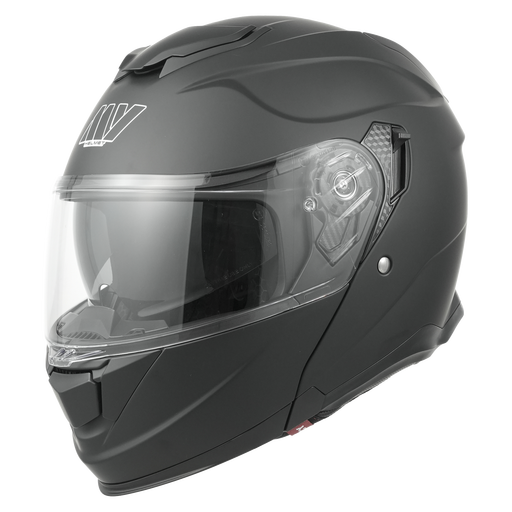
Why it's a great match: Perfect for daily commutes, from city streets to the ring road. Its versatility is a key asset: you can switch to jet mode at a red light for more air, and get back to full-face safety as soon as you're moving again.
ECE R 22.06 certified, it also includes a slot for an intercom kit. No nasty surprises during installation.
High-resistance ABS shell; dual visor (including an internal sun visor); comfortable liner designed for frequent trips.
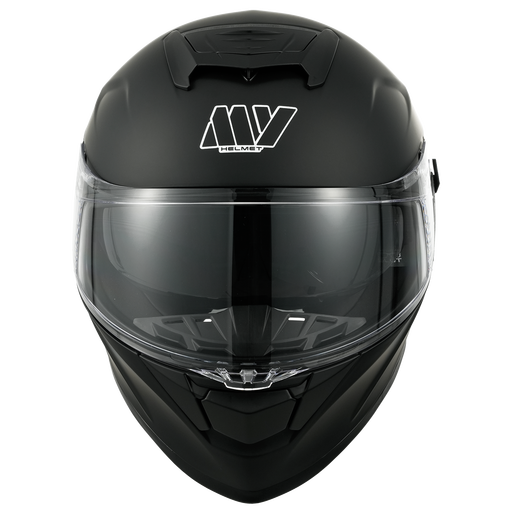
Why it's a great match: Built for riders who clock up the miles. Here, the focus is on long-haul comfort, with a premium liner and effective ventilation to keep you dry and focused on the road.
Its well-balanced design reduces neck strain. The removable and washable liner helps keep the helmet fresh, even after a long road trip.
ECE R 22.06 certification; easy-to-operate internal sun visor; hypoallergenic and breathable liner.
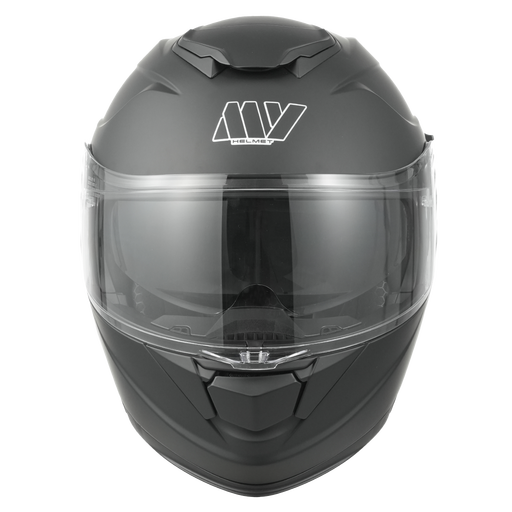
Why it's a great match: For the rider who juggles city commuting during the week with weekend getaways. It's the perfect compromise: it includes all the essential features without ever sacrificing safety.
It ticks all the important boxes: ECE 22.06 safety, the comfort of a dual visor, and an intercom-ready slot. The essentials are all there.
Excellent value for money; ABS shell with multi-density EPS for optimal shock absorption; quick and secure micrometric buckle closure.
Explore our full selection of helmets that meet all our criteria for safety and comfort.
As a general rule, it's recommended to replace your helmet every 5 years, even if it hasn't sustained an impact. For an ABS (Acrylonitrile Butadiene Styrene) shell, this is especially true. UV rays, temperature changes, and daily handling eventually degrade the material's protective properties. And of course, after any impact, no matter how minor it seems, replacement is non-negotiable.
A helmet must be perfectly fitted: it should stay securely in place without creating painful pressure points. To find your size, simply take a tape measure and measure your head circumference (passing about 2.5 cm above your eyebrows and over the bump at the back of your skull). Then, compare this measurement in cm to the brand's size guide. Remember: a new helmet should feel a bit tight on the cheeks. The foam padding will settle after a few hours of use.
For any new helmet purchase, the ECE 22.06 certification is indeed the standard to demand. While you can still ride with your old 22.05 helmet, all new models sold must comply with the 22.06 standard. Choosing this certification simply means getting the highest level of protection currently available.