
Livraison le jour même ou le lendemain

Qualité garantie

Débloquez vos offres de bienvenue: Livraison GRATUITE | Jusqu'à -80 % | 30 jours d'essai gratuits à JoyPlus
Téléchargez l'application
Mochi, that small ball of glutinous rice with its unique texture, has swept far beyond Japan's borders. Whether you're a connoisseur of Asian pastries or simply curious about new flavours, the sheer variety of choices can be overwhelming. Between traditional flavours and the wildest creations, how do you find your way??
As the Head of Product Recommendations at Joybuy, my mission is to help you navigate the options. In this article, you'll find no marketing jargon, just practical advice to help you find THE mochi that will win you over.
Before you fill your basket, here are a few key points to help you find that hidden gem—the perfect Asian snack to tantalize your taste buds.
The secret to a great mochi lies in its core: the filling. Purists will swear by traditional flavours like red bean paste (anko) or black sesame—timeless classics. But creativity knows no bounds: today, you can find variations inspired by well-known desserts. Milk tea (boba) mochi, peanut mochi, or even cheesecake-style versions promise surprising new experiences. So, which will you choose: sweet and comforting flavours or bolder tastes??
Mochi's signature is its texture, which is both soft and elastic—almost "chewy". It all comes from the glutinous rice flour that makes up its outer layer. Some mochi are firmer, while others are almost melt-in-your-mouth. Rely on the product description, which often provides good clues. The best advice is to experiment: try several brands to find the texture you love most.
Glancing at the ingredient list is a good habit to get into. You can spot potential allergens (soy, peanuts, milk, etc.) and assess the overall quality of the product. The nutritional information, especially the sugar content, will also help you decide whether you're in the mood for a sensible treat or a guilt-free indulgence.
To whet your appetite, here are three gems that stand out for their originality and acclaimed flavours.
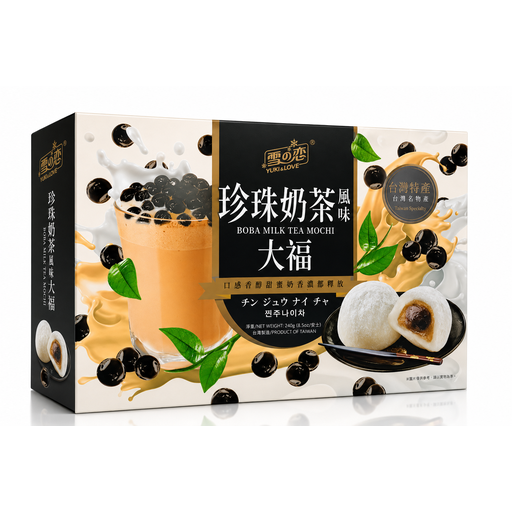
Why we love it?: This mochi is the perfect fusion of two Asian street-food stars: mochi and bubble tea. It captures the distinctive taste of milk tea with a surprisingly textured filling that perfectly mimics tapioca pearls.
Highlights?:
Who is it for?? For all bubble tea fans, of course, but also for those curious to discover a modern and bold take on the classic Japanese dessert.
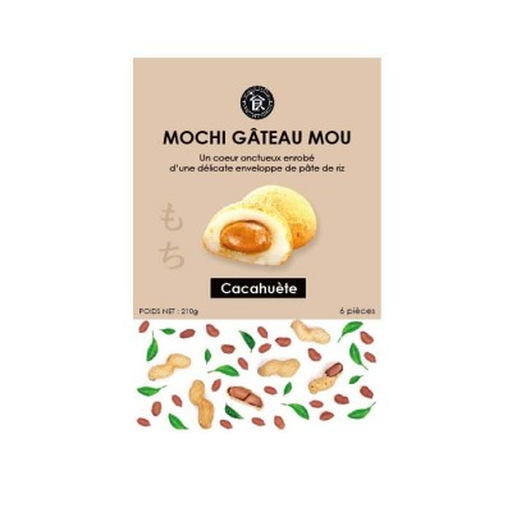
Why we love it?: This peanut mochi plays on a subtle balance between sweet and a hint of salty. Its rich, creamy filling is coated in a fine peanut powder that adds texture and intensity to every bite.
Highlights?:
Who is it for?? For die-hard fans of traditional Asian pastry flavours who are looking for a generous mochi with a bold taste.
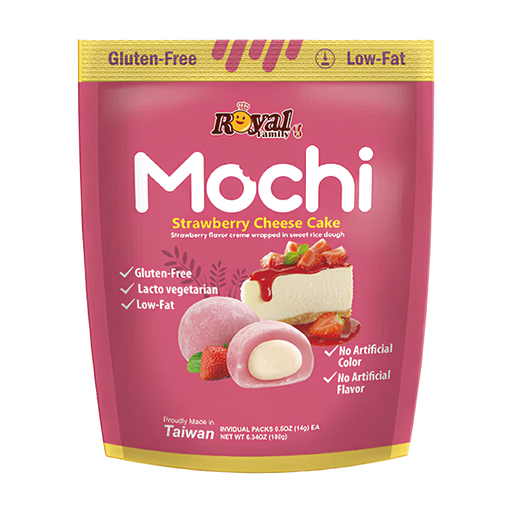
Why we love it?: When Japan meets America... This mochi is directly inspired by the famous cheesecake. The classic strawberry mochi is reinvented here with a creamy cheese centre, resulting in a deliciously fruity and smooth treat.
Highlights?:
Who is it for?? For those with a sweet tooth who love fruity, creamy desserts and are curious to see a Western classic brilliantly reimagined with a Japanese twist.
The culinary journey is just beginning?! If our mochi selection has whetted your appetite, know that the world of Asian pastries and snacks is full of other treasures.
To broaden your sweet horizons, explore our complete category of cakes and desserts without delay.
Discover our selection of cakes and desserts
Generally, commercially produced mochi keep very well at room temperature in a cool, dry cupboard, away from sunlight. Once the package is opened, it's best to enjoy them quickly to appreciate their unique texture. In any case, the packaging has the final say: always follow the manufacturer's instructions.
On paper, yes. Traditional glutinous rice cake is made from glutinous rice flour, which is naturally gluten-free. However, be mindful of fillings and other additives (thickeners, flavourings, etc.) which may sometimes contain gluten. For those with an intolerance or following a strict gluten-free diet, the golden rule is to always scrutinise the ingredient list and allergen statements on the package.
Mochi is a cornerstone of traditional Japanese confectionery, with a history dating back several centuries. Making it is an art: glutinous rice (mochigome) is first steamed, then pounded at length in a mortar until it becomes a smooth, elastic dough. Historically linked to New Year celebrations in Japan, it is now enjoyed year-round as a Japanese dessert or a simple treat.