
Livraison le jour même ou le lendemain

Qualité garantie

Débloquez vos offres de bienvenue: Livraison GRATUITE | Jusqu'à -80 % | 30 jours d'essai gratuits à JoyPlus
Téléchargez l'application
Mochi ice cream is no longer a treat reserved for insiders. This small Japanese gem, with its chewy glutinous rice shell and ice cream centre, has taken freezers around the world by storm. But with an exploding array of flavours and brands, how do you make the right choice? Don't worry, we're here to guide you.
Our mission at Joybuy? To uncover the hidden gems that will delight your taste buds. In this guide, we'll give you everything you need to choose the perfect mochi ice cream and present our top picks for 2026.
Before you indulge, here are the key things to check for a perfect tasting experience.
The world of mochi ice cream is a true playground of flavours. Traditional options, like the essential green tea mochi (or matcha), remain timeless classics with their delicate bitterness and earthy notes. But creativity knows no bounds! Bold new combinations are emerging, such as Thai tea mochi, which blends the spices of black tea with the smoothness of coconut milk. Our advice? Be adventurous and explore to find the gem that will captivate your palate.
The quality of a frozen Japanese dessert comes down to its ingredient list. For the outer layer, there's no secret: only glutinous rice flour can achieve that uniquely chewy texture. For the ice cream centre, there are two main schools of thought:
A quick look at the ingredients is also the best way to check for compatibility with specific dietary needs (vegan, lactose-free, halal).
The secret to a great mochi ice cream lies in a perfectly mastered interplay of textures. The rice dough should be soft and delicately chewy, never rubbery. The centre should be creamy but firm enough not to melt at the first bite. A pro tip for the perfect experience? Let your mochi ice cream pearls sit for a few minutes at room temperature before indulging. Patience is the key to softness!
Here are three options that stand out for their originality and quality.
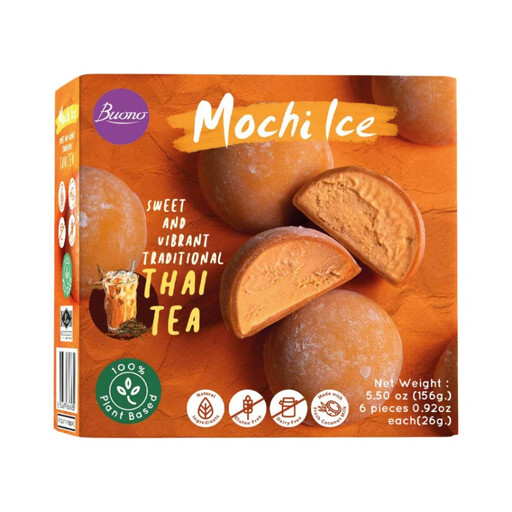
Why we love it?: BUONO dares to blend cultures with this recipe, fusing Japanese softness with the character of Thai tea. The secret? A coconut milk ice cream centre infused with black tea, which perfectly captures the distinctive taste of cha yen.
Highlights?:
Who is it for? Flavour explorers who are curious to discover out-of-the-ordinary tastes. It's also the ideal choice for vegans or those with lactose intolerance.
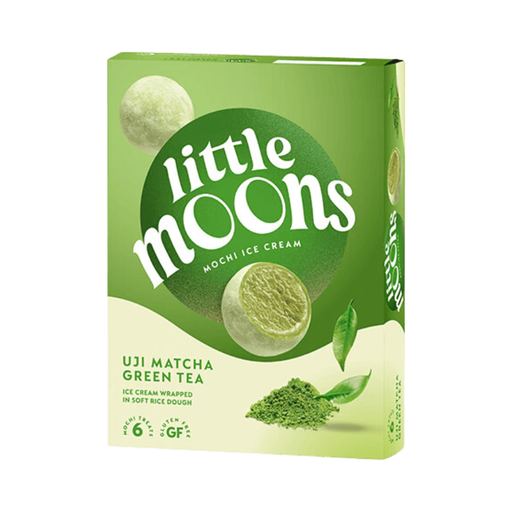
Why we love it?:Little Moons, the star brand that popularised mochi ice cream in Europe, needs no introduction. This version showcases an exceptional ingredient: matcha green tea sourced directly from the Uji region, the birthplace of Japan's finest teas.
Highlights?:
Who is it for? Purists and die-hard fans of matcha mochi who are looking for authenticity and a classic creamy texture.
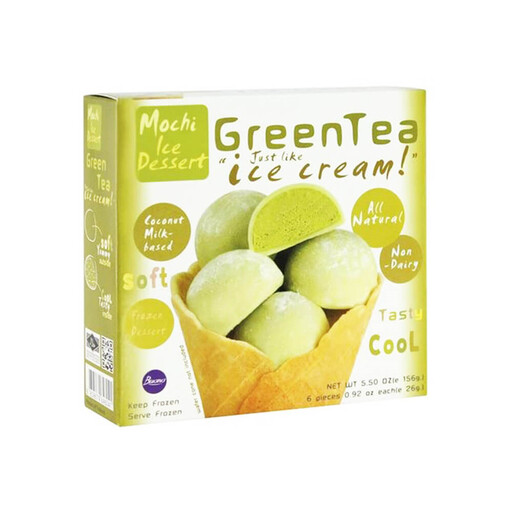
Why we love it?: BUONO reimagines the classic green tea mochi in a 100% plant-based version. By replacing cow's milk with coconut milk, the brand offers a new taste experience that is smoother, just as delicious, and accessible to all.
Highlights?:
Who is it for? Those looking for a plant-based alternative to green tea mochi, or who pay close attention to certifications (vegan, halal).
Has our selection made your mouth water? The gourmet adventure is just beginning! Fruity flavours, chocolatey creations, unexpected tastes... the world of Asian sweets is endless.
? Explore our full collection in the Dessert Tea category.
Mochi ice cream is a Japanese dessert distinguished by its incredible play on textures. It consists of a soft, chewy outer layer made from glutinous rice flour (the "mochi" itself), which encases a centre of ice cream or sorbet. These small bites, sometimes called mochi ice cream pearls, offer a striking contrast between the soft dough and the cool, creamy centre.
Mochi ice cream must be stored in the freezer at -18°C (0°F) or below, just like any other frozen product. The secret to a perfect tasting experience? Take them out 2 to 5 minutes before serving. This brief moment at room temperature is enough for the rice dough to regain its softness without the ice cream centre melting. Please note: a thawed product should never be refrozen.
Not always! The traditional recipe uses dairy-based ice cream. However, in response to growing demand, the availability of vegan mochi is exploding. In these versions, dairy milk is replaced with a plant-based alternative, most often coconut milk, whose smoothness lends itself wonderfully to the dessert. The best practice is to always check the ingredient list to be sure of your choice.