
Livraison le jour même ou le lendemain

Qualité garantie

Débloquez vos offres de bienvenue: Livraison GRATUITE | Jusqu'à -80 % | 30 jours d'essai gratuits à JoyPlus
Téléchargez l'application
A mixed nuts and dried fruit selection is just as handy in a bag for a break at work as it is in a picnic basket, on a journey or at breakfast. But not all assortments are created equal. Between nuts that are too salty, dried fruit packed with sugar and large bags that go soft after being opened a few times, disappointment can quickly end up on the menu.
Before buying dried fruit for snacking, take a close look at the ingredients, packaging and storage conditions. These few checks are often enough to tell a genuinely practical snack from a product destined to languish at the back of the cupboard.
A long ingredients list does not guarantee a genuinely varied mix. In some bags, peanuts, raisins or cereals make up most of the recipe, while almonds, cashews or walnuts are much less prominent. When percentages are shown, take the time to check them.
Recipes such as Indian-style savoury snack mixes, including Bikano All In One Mix, combine ingredients such as gram flour, lentils, green peas, potatoes, rice flakes, peanuts, cashews, raisins and spices. This is a salty, spicy snack that is very different from a plain selection of nuts and dried fruit.
The word ‘natural’ does not necessarily mean ‘with no added sugar’ or ‘with no added salt’. Cranberries may contain sugar and vegetable oil, while some nuts or flavoured fruit products may include salt, sweeteners or flavour enhancers.
If you are looking for a simple recipe, prioritise an explicit claim such as 0 added salt and sugar, then check the ingredients list. The ‘salt’ line in the nutrition table is also a useful way to compare two products.
A 600 to 750 g bag can be a practical choice for the home or a shared office. However, you need to be able to reseal it properly and store it somewhere cool and dry, away from light. Once opened, exposure to air eventually causes nuts to lose their crunch and affects their flavour.
Individually portioned dried fruit helps to minimise this problem in everyday use. It also lets you take just the right amount with you, without carrying a large open bag on public transport or leaving it lying around on a desk.
Nuts, almonds, hazelnuts, cashews, pecans and macadamia nuts are among the allergens that must be declared in the European Union. Also check for possible ‘may contain traces of’ statements: peanuts, sesame, soya, milk, wheat or egg may be present when a product is made on shared production lines.
Some mixes also contain sulphites, particularly in the case of raisins. Their presence must be indicated when it exceeds the applicable regulatory thresholds. If you have an allergy or intolerance, rely on the label of the bag you receive rather than the online description alone.
Start by comparing the figures per 100 g, then check the serving information where available. Nuts are generally high in energy and fat, while dried fruit adds sweetness and carbohydrates. These figures are not medical advice, of course; they are mainly intended to help you choose a snack that fits your habits.
A mix with no added salt may show a very low salt content. Wo Long Daily Nuts, for example, lists 0.02 g of salt per 100 g, while Wo Long Nut Planet lists 0 g of salt per 100 g, according to the information provided. Recipes containing candied fruit, sugar or oil should therefore be distinguished from plain selections.
If you fancy a change from classic nut mixes, fruit chips can also have a place in your selection. The Tuan Dat mix contains banana, purple sweet potato, yellow sweet potato, jackfruit and taro. It focuses on a crisp texture and is prepared using palm oil. Once again, check the ingredients and nutritional values before treating it as simple dried fruit.
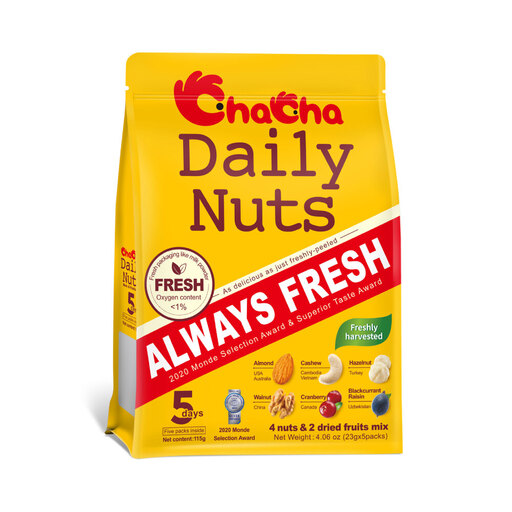
Why this choice suits this profile : Its 5 x 23 g portions are perfect for trying the recipe, taking it to work or class, and avoiding opening a large bag.
The portions reduce the risk of the mix oxidising after repeated opening and make it easier to control how much you eat.
The recipe brings together walnuts, raisins, cranberries, cashews, almonds and hazelnuts. The stated salt content is 0.03 g per 100 g.
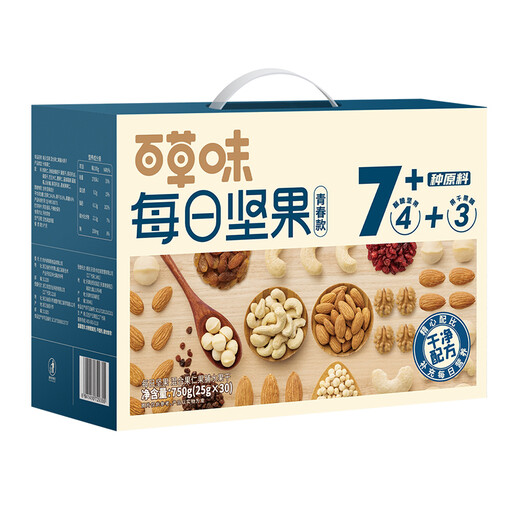
Why this choice suits this profile : This large assortment brings together walnuts, almonds, cashews, macadamia nuts, red raisins, golden raisins and cranberries for a range of textures and flavours.
The nutrition table provides detailed information, while the resealable bag limits contact with air once opened.
The product provides 514 kcal, 34.7 g of fat and 0.1 g of salt per 100 g. It contains nuts and sulphites.
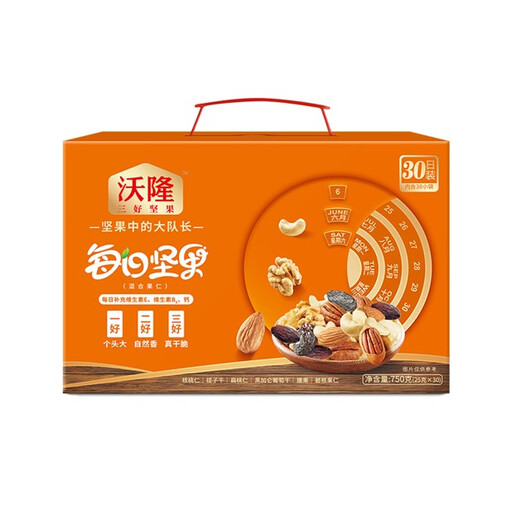
Why this choice suits this profile : With its 30 x 25 g bags, it is suitable for employees, families and travellers who want ready-to-go portions.
Each portion is individually wrapped, and the product information confirms that no salt or sugar has been added.
Each bag contains walnuts, almonds, cashews, pecans, raisins and black raisins. The stated salt content is 0.02 g per 100 g.
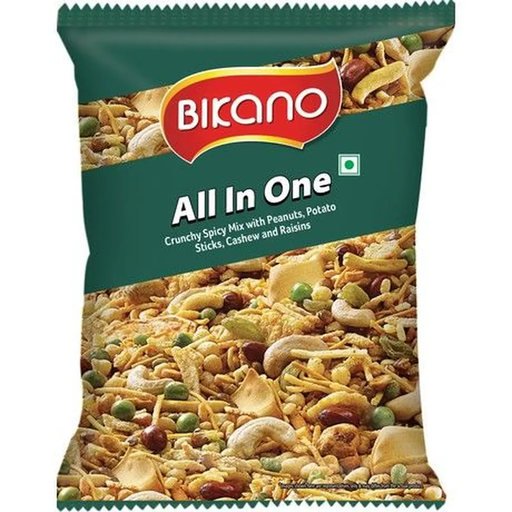
Why this choice suits this profile : This Indian recipe combines crunchy ingredients, spices, pulses, peanuts, cashews and raisins. It is made for aperitifs and sharing.
The product information clearly presents it as a salty, spicy mix rather than a plain assortment of dried fruit. Choose it for its savoury-snack profile.
Its 200 g format can be stored at room temperature and provides 546 kcal per 100 g.
We have selected a complete, real-time updated range of products that meet these exacting criteria as well as European food safety requirements.
Store the bags somewhere cool, dry and away from direct sunlight. Reseal larger formats carefully after every use. If the original packaging does not protect the contents well, transfer them to an airtight container.
With individual portions, only open the bag you intend to eat. Products containing soft fruit, sweetened cranberries or chips should be consumed in accordance with the instructions on the packaging. Do not use a product if its bag is damaged, and always check the best-before date.
20 to 25 g portions are generally the easiest to carry. Wo Long Daily Nuts 750 g contains 30 x 25 g bags, while Qia Qia Daily Nuts offers 5 x 23 g bags. They slip easily into a bag and save you from being left with a packet that has already been opened.
No. The absence of added salt does not guarantee the absence of added sugar. Check the ingredients list and nutrition table separately. Raisins and some dried fruit also have a naturally sweet taste, even when no sugar has been added.
It depends on the product, its packaging and the manufacturer’s recommendations. Reseal the bag carefully, store it somewhere cool and dry, then eat the contents promptly to preserve their texture. If you open your dried fruit regularly, individual portions reduce repeated exposure to air.