Anyone comparing sugar content
You’re looking for a fruity drink for the evening and want to distinguish between no added sugars and no sugars at all. The ‘of which sugars’ figure per 100 ml helps you compare products.


For a TV dinner, choose between pure juice and nectar by comparing the ‘of which sugars’ figure per 100 ml with the amount you plan to serve. ‘No added sugars’ does not mean ‘sugar-free’: check the product description and ingredients too, as these two categories are made to different recipes.
You’re looking for a fruity drink for the evening and want to distinguish between no added sugars and no sugars at all. The ‘of which sugars’ figure per 100 ml helps you compare products.
You’re choosing between pure juice, juice from concentrate and nectar. The product description, ingredients list and, where stated, fruit content can help you find the recipe you want.
You’d rather decide how much to pour before settling down in front of the screen. A single-serve carton and a bottle to share don’t offer the same guide to portion size.
For this dinner, start by checking the sugar content and serving size, then compare recipes that suit your preferences. Manger Bouger recommends choosing water as your everyday drink and limiting fruit juice to one glass a day.
| Criterion | What to check | Who is it for? |
|---|---|---|
| Sugars | Compare the ‘of which sugars’ figure per 100 ml and distinguish it from the ‘no added sugars’ claim. | If I want to avoid added sugars, I also want to know how much sugar is in the glass I’m serving. Around 36% of consumers put this check first. |
| Type of recipe | Read the product description — pure juice, juice from concentrate or nectar — then check the ingredients and fruit content, if shown on the label. | I want to choose my recipe rather than assume that pure juice and nectar contain the same ingredients. This is the top priority for around 29% of consumers. |
| Portion size and storage | Check the pack size, plan how much to serve and follow the product’s storage instructions after opening. | When I’m watching TV, I’d rather pour a glass in advance than serve myself straight from the bottle. Portion control comes first for around 21% of consumers. |
| Ingredients and organic certification | Compare the ingredients lists and check whether your chosen product is certified organic if that matters to you. | I’m mainly looking for a particular recipe or an organic product, without assuming this tells me how much sugar it contains. Around 14% of consumers prioritise these features. |
Sugars naturally present in the ingredients are still included in the nutritional information. Auchan’s product listings show between 8.1 and 11 g of sugars per 100 ml for the mixed fruit products reviewed.
Compare the ‘of which sugars’ figure on the same 100 ml basis and decide how much to pour, rather than relying on the claim on the front of the pack alone.
These descriptions refer to different product categories and recipes. Nectar may contain a blend of water, juices and fruit purées; the exact ingredients depend on the product.
Read the product description and the first ingredients listed. If the fruit content is shown, compare it with the recipe you’re interested in, but don’t use it on its own to estimate the sugar content.
A sharing bottle doesn’t determine how much goes into each glass. Storage instructions after opening also vary from product to product.
Pour your glass before the programme starts. For the rest of the bottle, follow the refrigeration and storage time guidance on the packaging.
The range includes Réveil Fruité, described as a pure mixed fruit juice, and a multivitamin product labelled ‘no added sugars’ on its Carrefour product listing.
The products listed include a Carrefour Classic’ mixed fruit nectar with no added sugars and a Carrefour Bio pure mixed fruit juice.
Auchan Bio’s range includes a no added sugars mixed fruit nectar in a 20 cl carton.
Lidl France lists a Solevita pure mixed fruit juice.
This selection includes mixed fruit juices, a nectar and a canned fruit drink. For a TV dinner, check the product description and nutritional information for the product you buy, then decide how much to serve.
 Image unavailable
This 1 L bottle can be shared, as long as you plan how much to pour into each glass.
The product name says ‘no added sugars’. Check the ‘of which sugars’ figure and product description on the packaging too.
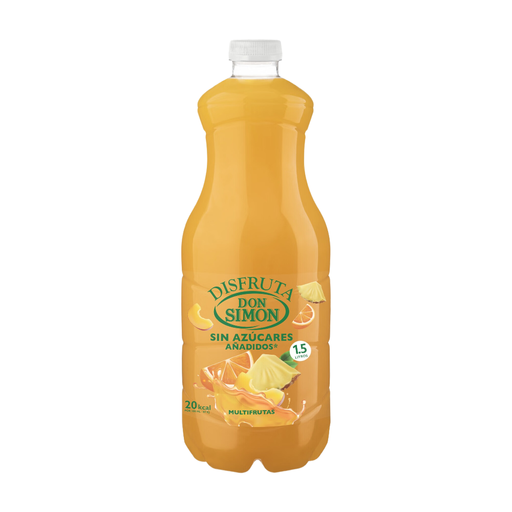 Image unavailable
This 1.5 L nectar in a PET bottle is suitable for sharing if you portion it out before settling down.
To compare it with the juices in this selection, check the ingredients list and sugar content per 100 ml on the packaging.
 Image unavailable
This 1.5 L bottle lets you choose how much to serve everyone with dinner.
The ‘no added sugars’ claim in the product name doesn’t replace checking the ‘of which sugars’ figure on the packaging.
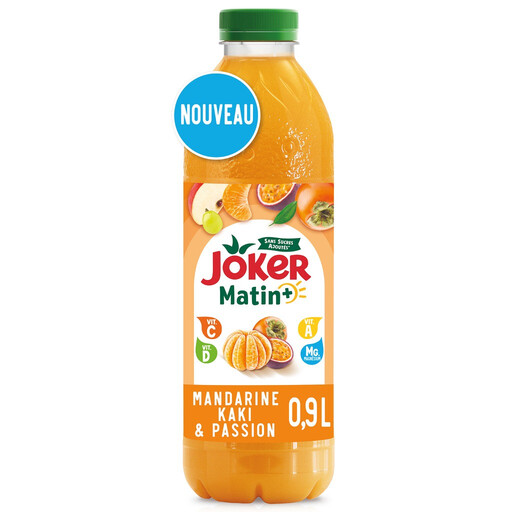 Image unavailable
If you’re looking for these fruits to go with dinner, the 900 ml bottle is still best portioned out before serving.
Check the product description and nutritional information for this variant on the packaging.
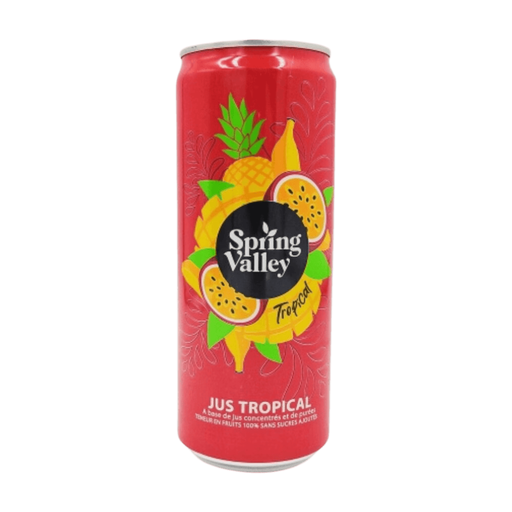 Image unavailable
The 330 ml cans offer a set serving size and come in a pack of 24.
This is a fruit drink, so check its product description, ingredients and sugar content per 100 ml before comparing it with juices or nectars.
No. This claim doesn’t remove the sugars naturally present in the ingredients. Auchan’s product listings for mixed fruit products show between 8.1 and 11 g of sugars per 100 ml, depending on the product. Compare the ‘of which sugars’ figure on the bottle or carton you’re considering.
Manger Bouger recommends limiting fruit juice to one glass a day and choosing water as your everyday drink. Pour a glass before you sit down rather than serving yourself from a large bottle; you could also have a whole piece of fruit instead of juice.
No. The product description tells you what category it belongs to, not how much sugar it contains. On Auchan’s product listings, the Pressade nectar reviewed shows 8.1 g of sugars per 100 ml, compared with 11 g for the Joker Pure Juice reviewed. Compare the figures for the specific products you’re interested in.
Follow the instructions printed on the product you buy, as storage times vary. Auchan’s listing for the Pressade nectar reviewed says it can be kept for up to 5 days in the fridge at between +4 °C and +6 °C after opening; the listing for the Auchan Bio carton reviewed says 2 days. These timings don’t automatically apply to other products.