Parents looking for ‘no added sugar’
You want to understand what this claim means, while bearing in mind that sugars may occur naturally. The ‘of which sugars’ figure per 100 ml and the amount actually served also matter when making your choice.


For an everyday drink in a secondary school lunchbox, choose water and pack a piece of whole fruit instead. If you occasionally include mixed fruit juice, Manger Bouger recommends having no more than one glass of juice a day. When comparing 100% juice, nectar and so-called ‘reduced-sugar’ recipes, check the sugars per 100 ml, the ingredients, the portion you pack and storage instructions. ‘No added sugar’ does not mean ‘sugar-free’.
You want to understand what this claim means, while bearing in mind that sugars may occur naturally. The ‘of which sugars’ figure per 100 ml and the amount actually served also matter when making your choice.
You’re deciding between 100% juice, nectar and a reduced-sugar recipe. Check the product description, ingredients and nutritional information rather than relying on the word ‘diet’ alone.
When a drink is packed in a lunchbox, its packaging and storage requirements matter just as much as the recipe. For children aged 4–17, Manger Bouger reminds us that juice does not count as a daily portion of fruit and vegetables.
First decide how often juice will feature in packed lunches, then compare labels on the same 100 ml basis. Finally, check that the packaging and instructions for storing the drink after opening are suitable for the journey to school.
| Criteria | What to check | Who is it for? |
|---|---|---|
| Frequency and portion | Plan the amount you’ll serve and keep water as the everyday drink; Manger Bouger recommends having no more than one glass of juice a day. | If I prepare lunch almost every day, I don’t want juice to take the place of water and whole fruit. Around 36% of consumers put this first. |
| Sugars on the label | Read the ‘of which sugars’ figure per 100 ml and distinguish it from the ‘no added sugar’ claim. | A bottle labelled no added sugar may still contain sugars from fruit. I want to know the total amount before choosing. This is the priority for around 29% of consumers. |
| Transport and storage | Check the container size and storage instructions after opening, especially if you’re decanting a large bottle into portions. | The drink needs to be easy to take along and stored according to its label until lunchtime. For around 21% of consumers, this comes before other criteria. |
| Type of recipe | Compare the product description — juice or nectar — the ingredients and sugars per 100 ml. Also check for any sweeteners. | If I’m looking for a different sugar content, I want to know what has changed in the recipe, without confusing nectar with 100% juice. Around 14% of consumers put this comparison first. |
Naturally occurring sugars are still included in the total. The product listings for Joker and Tropicana mixed fruit juices checked at Auchan show 10 or 11 g of sugars per 100 ml, depending on the product, despite this claim.
Check the ‘of which sugars’ figure per 100 ml and decide how much to serve. Don’t let the claim alone determine how often you drink it.
A different sugar content may come with a different recipe. E.Leclerc’s listing for ECO+ nectar mentions a sweetener, E960a, and at least 50% fruit. It is not the same recipe as 100% juice.
Compare the figures per 100 ml, then check the product description, the stated fruit content and the ingredients. Don’t present ‘diet’ as a weight-loss goal for a secondary school pupil: Manger Bouger advises against weight-loss diets for children.
The Carrefour Classic’ nectar listing checked carries the claim ‘no added sugar’, while also stating 0.5256 g of added sugars per 100 g. These two details make it difficult to assess this criterion with confidence.
If no added sugar is important to you, check the packaging of the specific product before buying.
A 90 cl or 1 L bottle means you’ll need to decide separately how much to put in the lunchbox. Once opened, the product may also need to be kept chilled.
Check the instructions for the exact product and the transport conditions before dividing a bottle into several portions.
These products illustrate different recipes. The details below apply to the products named, not every drink made by each brand.
Le Réveil Fruité is an example of a four-fruit juice described as having no added sugar in the Auchan listing checked.
Two products listed by Auchan help distinguish a mixed fruit juice made from concentrate from a 100% mixed fruit juice.
The mixed fruit nectar listed by Carrefour claims to contain at least 75% fruit.
The E.Leclerc listings checked include a mixed fruit nectar with no added sugar and a reduced-sugar mixed fruit juice. These are two separate products.
The mixed fruit nectar described by E.Leclerc is an example of a recipe containing a sweetener, which is different from 100% juice.
These large-format juices and nectars let you compare mixed fruit recipes, two-fruit recipes and claims about sugars. For a lunchbox, choose the portion separately and check the label on the product you receive, particularly the ingredients, nutritional information and storage instructions after opening.
 Image unavailable
Worth considering if you’re comparing mixed fruit nectars: the product name alone won’t tell you the total amount of sugars or the ingredients.
The 1.5 L bottle is not an individual portion. Decide how much to pack and follow the storage instructions after opening.
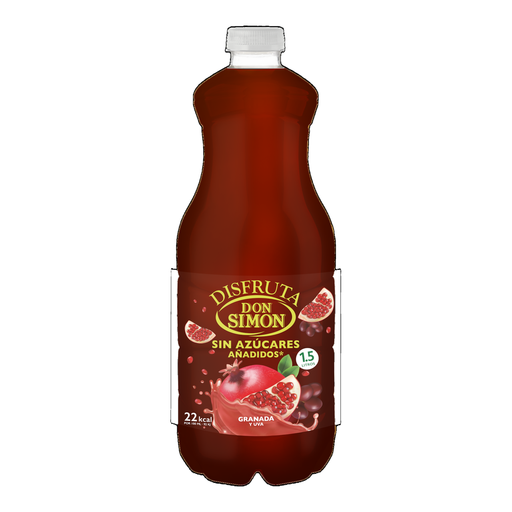 Image unavailable
Worth comparing if you’re interested in a pomegranate recipe: check the other ingredients and the ‘of which sugars’ figure on the label.
The 1.5 L size means you’ll need to plan a portion for lunch and follow the storage instructions after opening.
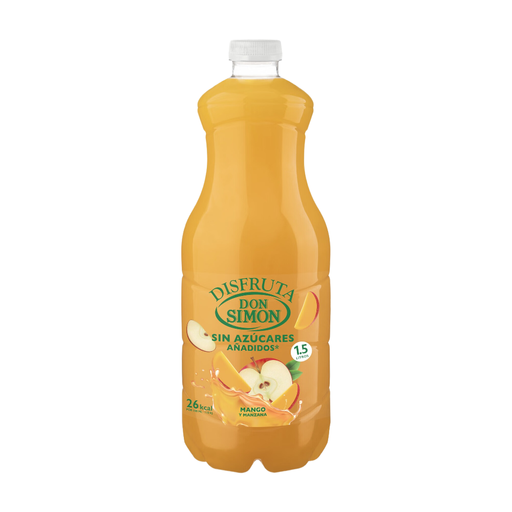 Image unavailable
Worth considering if you’d like to compare mango and apple nectar with mixed fruit recipes: check each product’s ingredients separately.
Check the sugars per 100 ml and the ingredients; the 1.5 L bottle means you’ll need to prepare a separate portion.
 Image unavailable
Compare it with nectars if you’re looking for a product described as mixed fruit juice. ‘No added sugar’ does not mean ‘sugar-free’.
Check the sugars per 100 ml and the instructions for after opening, then decide how much to pack from this 1.5 L bottle.
 Image unavailable
Worth considering if you’re comparing several mixed fruit juices, rather than relying on a claim they share on the packaging.
The 1 L carton means you’ll need to decide how much to serve. Also check the nutritional information and storage instructions after opening.
No. Sugars naturally present in fruit are still in the product. The listings for two products checked at Auchan — a Joker mixed fruit juice and Tropicana Réveil Fruité — show 10 and 11 g of sugars per 100 ml respectively. Check the figure for the product you’re buying.
No. For children aged 4–17, Manger Bouger says that juice does not count as a daily portion of fruit and vegetables. Pack a piece of whole fruit and water every day instead. If you serve juice, Manger Bouger recommends having no more than one glass a day.
No. The word ‘diet’ is not a reason to choose a drink with weight loss in mind for a secondary school pupil. Manger Bouger says that children should not follow weight-loss diets. When comparing drinks, read the ingredients and nutritional information rather than assuming they will affect weight.
Decide how much to pack and follow the storage instructions for the specific product. For example, Auchan says to keep chilled Tropicana Réveil Fruité at no more than 7 °C after opening and consume it within five days. These instructions should not automatically be applied to other juices.