Hotel managers mindful of added sugars
If you’re looking for a mixed fruit drink labelled no added sugar for your buffet, check its sugar content too: this claim doesn’t mean the drink is sugar-free.


For a hotel breakfast, don’t choose a mixed fruit juice based on the word “diet” alone: “no added sugar” does not mean “sugar-free”, as fruit naturally contains sugars. Check whether it is juice or nectar, compare the “of which sugars” figure per 100 ml, then choose a pack size that suits the number of portions you serve and how the product should be stored after opening.
If you’re looking for a mixed fruit drink labelled no added sugar for your buffet, check its sugar content too: this claim doesn’t mean the drink is sugar-free.
Your choice of pack depends on the volume you actually serve and the storage instructions for that specific product once opened.
For trays, guest rooms or a buffet with set portions, small packs suit a different style of service from a shared bottle.
Start with the product description and nutrition information for the exact item you’re considering. Then check that its pack size and instructions for use after opening fit your breakfast service.
| Criteria | What to check | Consumers concerned |
|---|---|---|
| Added sugars | Read the claim on the packaging and the “of which sugars” figure per 100 ml: they answer different questions. | If I want to avoid added sugars at the buffet, I need to be able to distinguish this from choosing a sugar-free drink. Around 42% of consumers would make this their priority. |
| Pack size and storage | Compare the capacity, serving method and storage instructions after opening for each product. | For daily service or individual trays, I want a pack that suits the portions actually served. This would be the main concern for around 33% of consumers. |
| Category and recipe | Check whether the product is described as juice or nectar, then read the ingredients list. | If I’m looking for a specific category or recipe, the word “mixed fruit” alone isn’t enough to help me choose. Around 25% of consumers would prioritise this distinction. |
Sugars naturally present in fruit are still included in the nutrition information. For fruit juices, the DGCCRF distinguishes the claim relating to these naturally occurring sugars.
Read the “of which sugars” figure per 100 ml and take the serving size into account. Don’t treat the word “diet” as a nutritional promise.
Their product descriptions refer to different categories. Comparing only the fruit names or the sugar figure can hide this distinction.
Check the product description and ingredients first. If you require pure juice, make sure this is stated on the product you choose.
Storage times after opening vary by product: Auchan states four weeks for its 3 L Cœur de Pom’ bag-in-box, compared with five days in the fridge, between +4 °C and +6 °C, for the 1 L Pressade organic mixed fruit juice.
Choose a volume that matches the number of glasses served, note the date you opened it and follow the instructions on the pack you buy.
A brand or retailer may offer several mixed fruit recipes and pack sizes. The name alone doesn’t tell you the product category or whether it contains added sugars.
Check the packaging for the specific variety you choose, including its product description, ingredients, nutrition information and storage instructions.
Carrefour’s multivitamin mixed fruit juice combines juices made from concentrate with fruit purées.
The retailer offers mixed fruit drinks in bottles, as well as a Carrefour Extra product in a 6 × 20 cl pack.
Auchan’s mixed fruit range includes 1.5 L bottles and a 4 × 20 cl pack.
Lidl lists a Solevita product described as “Pure mixed fruit juice”.
These 900 ml to 1.5 L bottles are suited to shared service at breakfast. The selection includes mixed fruit juices, nectars and a mango and apple nectar. Check the category you’re looking for on each pack before comparing recipes.
 Image unavailable
Worth considering if nectar suits your buffet and a shared 1.5 L bottle fits your service. To compare its recipe with a juice, check the product description and nutrition information on the packaging.
 Image unavailable
The 1.5 L size is intended for serving from a shared bottle. The no-added-sugar claim in the name doesn’t mean you can skip checking the sugar content per 100 ml and the instructions for use after opening.
 Image unavailable
The 1 L bottle may suit a smaller shared service. Before comparing it with pure juice or nectar, check its exact product description and ingredients list on the label.
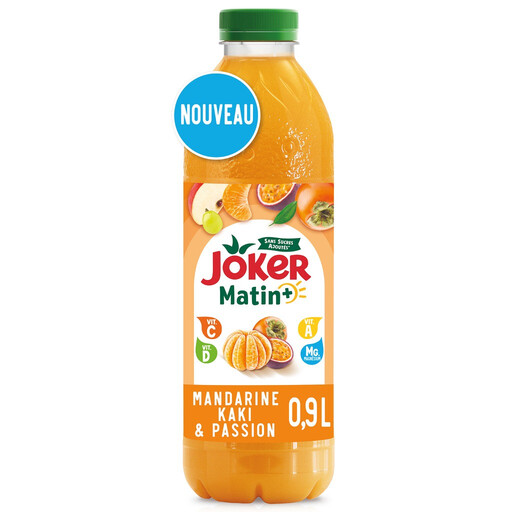 Image unavailable
At 900 ml, this pack is smaller than the 1 L and 1.5 L bottles featured here. If added sugars are a deciding factor, check the claims and the “of which sugars” figure for this specific variety.
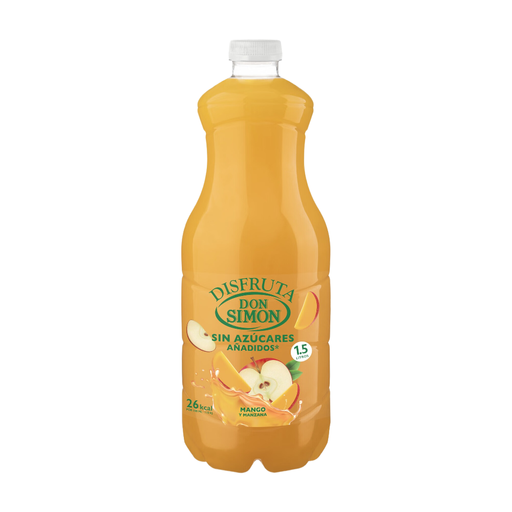 Image unavailable
This shared bottle is a good fit if you’re specifically looking for mango and apple nectar rather than a product described as mixed fruit. Check the ingredients and sugar content for this variety before choosing it for your buffet.
No. A juice labelled no added sugar may still contain sugars naturally present in fruit. To compare two products, check the “of which sugars” figure per 100 ml and take the serving size into account.
Read the product description on the packaging, then check the ingredients list: “mixed fruit” describes the fruits combined, but doesn’t by itself tell you the product category. If you require pure juice, don’t rely on the recipe name alone.
Follow the storage time and conditions given for the product you buy, as they vary. To compare two different products, Auchan states four weeks after opening for its 3 L Cœur de Pom’ bag-in-box, and five days in the fridge, between +4 °C and +6 °C, for the 1 L Pressade organic mixed fruit juice.
First, check the product description, ingredients, nutrition information and net quantity. The DGCCRF lists these among the labelling information for prepacked foods. For hotel service, also read the storage instructions for the product you choose.