People keeping an eye on sugar
You want a fruity drink for an occasional journey and compare the sugars listed, without confusing ‘no added sugars’ with ‘sugar-free’.


When choosing a mixed fruit juice to take on a journey, compare the sugars listed per 100 ml with the amount you plan to drink: ‘no added sugars’ does not mean ‘sugar-free’. Pure juice, nectar and reduced-sugar products may have different recipes, so check the product description and ingredients as well as any claims highlighted on the bottle.
You want a fruity drink for an occasional journey and compare the sugars listed, without confusing ‘no added sugars’ with ‘sugar-free’.
You choose how much to take with you first: a bottle intended for sharing may not match the amount you want to drink during your journey.
You’re choosing between pure juice, nectar and a recipe containing a sweetener, and prefer to check the ingredients rather than rely on the product name alone.
For a snack on the go, check the recipe and sugars per 100 ml, then choose the amount you actually plan to drink.
| What to check | Look for | Who is it for? |
|---|---|---|
| Sugars | The ‘sugars’ figure per 100 ml and the ingredients, rather than just the ‘no added sugars’ claim. | If I want to keep track of the sugars I drink during a break, I need to distinguish the total amount from whether any have been added. Around 42% of consumers would prioritise this. |
| Portion size | The pack size and the amount planned for your break; a 90 cl or 1.5 L bottle can be divided up or shared. | A large bottle suits me if I can set aside a portion before I leave, rather than treating it as an individual drink. Portion size would be the top priority for around 33% of consumers. |
| Recipe | The product description — juice or nectar —, fruit content and whether it contains sweeteners. | If I’m looking for a specific recipe, I want to know what sets pure juice apart from nectar or a sweetened version. Around 25% of consumers would put the recipe first. |
Naturally occurring sugars are still included in the nutrition information. Anses distinguishes between the two claims: ‘sugar-free’ means the product contains less than 0.5 g of sugars per 100 g or 100 ml.
Check the ‘sugars’ figure per 100 ml, then work it out for the amount you plan to drink.
Sizes from 90 cl to 1.5 L can work for sharing or for several breaks, but the bottle size doesn’t define the portion you drink on a journey.
Decide on your portion before setting off, and take water for the journey too.
Pure juice, nectar and a recipe with sweetener don’t have the same ingredients. Claims highlighted on the pack don’t replace the product description and ingredients list.
Compare product categories first, then check their sugars per 100 ml on the same basis.
The Carrefour Classic' mixed fruit nectar listing pairs the claim ‘no added sugars’ with a figure of 0.5256 g of added sugars per 100 g.
If this distinction affects your choice, check the bottle label and ingredients before choosing this product.
Auchan stocks Tropicana mixed fruit juices, including 90 cl bottles.
Pampryl offers a 2 L mixed fruit nectar made from concentrates, with at least 35% fruit juice and purée.
Carrefour’s range includes mixed fruit juices and nectars, including 1 L bottles.
E.Leclerc offers a 1 L Jafaden mixed fruit juice described as ‘sugar-reduced’.
Auchan offers mixed fruit pure juices, including 90 cl and 1.5 L sizes.
Lidl offers a mixed fruit pure juice under the Solevita brand.
These bottles include nectars and mixed fruit juices. Their larger sizes make it worth planning a portion for a break on the go. Compare the recipe and sugars listed for each product too.
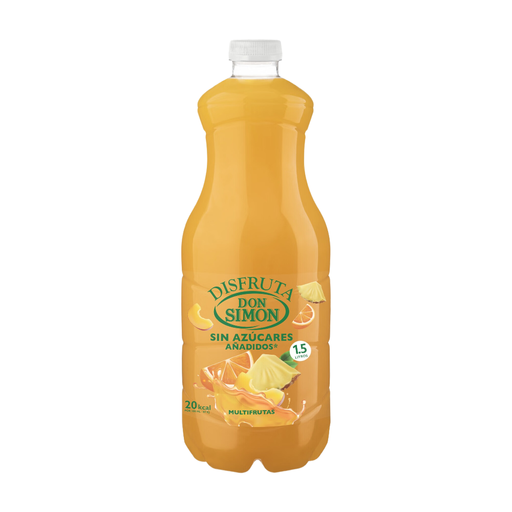 Image unavailable
Worth considering if you want to divide a mixed fruit nectar into several portions rather than drink the whole bottle during your journey.
‘No added sugars’ doesn’t tell you the total amount of sugars. Compare the nutrition information and check the ingredients list.
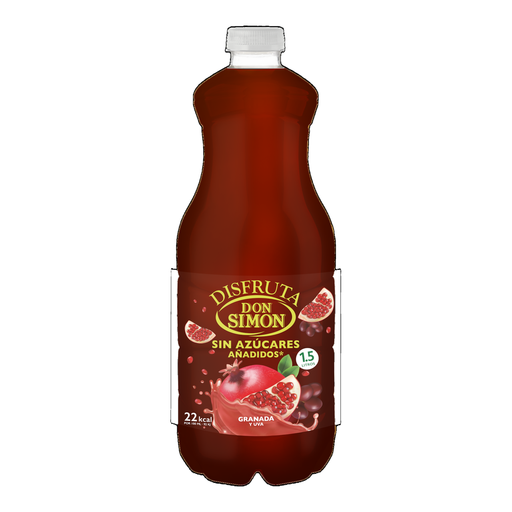 Image unavailable
This product is for anyone looking for a pomegranate nectar to share or divide between several breaks.
If you specifically want mixed fruit juice, check the product description and ingredients, and check the sugars per 100 ml too.
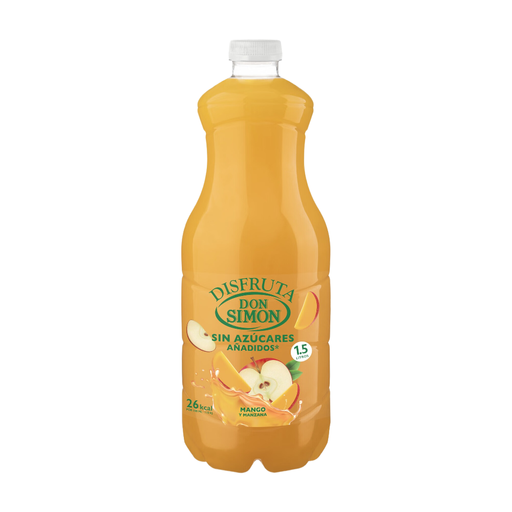 Image unavailable
This mango and apple nectar is worth considering if you like the combination and plan to divide the bottle into several portions.
It isn’t described as mixed fruit pure juice; check the ingredients and sugars listed before choosing.
 Image unavailable
Worth comparing if you’re looking for mixed fruit juice to portion out for a break rather than nectar.
‘No added sugars’ doesn’t mean the juice is sugar-free: check the ‘sugars’ figure per 100 ml and the amount you’ll pour.
 Image unavailable
This size is better suited to sharing or several portions than to a single break on the go.
To compare it with JOKER Engagé 1 L or with nectars, check the sugars per 100 ml and the product description on each bottle.
No: naturally occurring sugars may still be present in the product. Anses distinguishes ‘no added sugars’ from ‘sugar-free’; the latter means less than 0.5 g of sugars per 100 g or 100 ml. So check the ‘sugars’ figure for the product you choose.
No: this claim alone isn’t enough to tell you how much sugar you’ll drink. Compare the grams of sugars per 100 ml and your planned portion, and don’t assume that no sugar has been added means there are no sugars in the drink.
No: these product descriptions refer to distinct composition categories. Check the product description, fruit content and ingredients; for example, the E.Leclerc listing for Eco+ nectar states that it contains at least 50% fruit and the sweetener E960a.
Plan the portion you want to drink rather than treating a 90 cl, 1 L or 1.5 L bottle as an individual serving. Manger Bouger recommends limiting fruit juice and other sugary drinks to a maximum of one glass a day; take water for the journey too.