
当日/次日达

品质保障

开启新人专享福利: 全场免邮 | 低至 2 折 | 免费试用 30 天 JoyPlus 会员
下载 Joybuy
Tightness after a shower, rough patches on your legs, redness or chapped hands in winter – a moisturising cream from Mixa for sensitive and dry skin can address several needs, provided you pick a formula that suits you. A face product won’t necessarily have the same texture or active ingredients as a cream designed for your body or hands.
Dehydrated skin mainly lacks water. It may show fine lines and feel uncomfortable, while still being normal or combination. Dry skin lacks lipids: it feels rough, tight and generally calls for a richer, more nourishing texture.
A cream with hyaluronic acid and glycerin can work if you’re mainly after hydration and a fresh feel. For very dry skin, a formula enriched with shea butter, plant oils, squalane or ceramides will often give a more protective feel.
The word ‘sensitive’ doesn’t guarantee that a formula will be well tolerated by everyone. Also check the INCI list, particularly for the presence of fragrance, denatured alcohol or active ingredients that might not suit reactive skin.
A formula described as hypoallergenic limits certain potential sources of reaction, but that’s no individual guarantee. For a first use, apply a small amount to a limited area, then watch how your skin reacts.
A 50 ml tube slips easily into a Mixa face cream routine, but it quickly becomes impractical when you need to moisturise your legs, arms and hands every day for the whole family. Conversely, a 400 ml pot can be economical for the body, but its texture may feel too rich under make-up.
Before comparing prices, check the format, the area you’ll apply it to and how often you’ll use it.
Always put efficacy claims into context. If a specific result appears on the packaging, check the full wording of the claim, the type of study carried out and the number of participants. A consumer test can’t predict how every user will react.
In the morning, on your face, a fluid, non-sticky texture will go on more easily before sunscreen or make-up. For elbows, very dry legs or hands that get washed frequently, a more enveloping cream will often be better.
Ingredient lists can change. The reference to go by is always the one printed on the packaging you receive. Also check the batch number, the durability date if shown, and the usage precautions. Avoid contact with the eyes and stop using the product if irritation persists.
The products below have been selected according to their application area, texture, format and the active ingredients mentioned on their product pages.
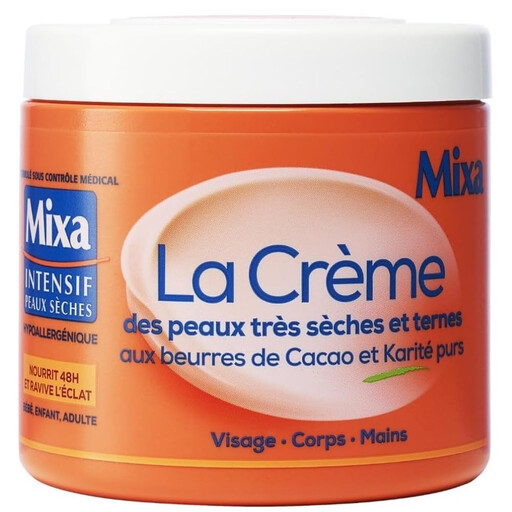
Why this choice suits this profile: A family-sized format designed for daily use on the face, body and hands, with a formula based on glycerin and plant oils.
The large size means you don’t have to keep buying replacements, and it works on several body areas, rather than using a small face cream for everything.
400 ml, shea, sweet almond and soya oils listed in the ingredients, with a texture described as non-sticky.
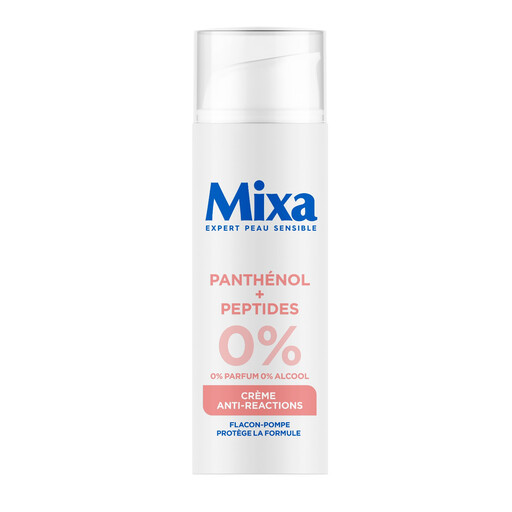
Why this choice suits this profile: This compact face product combines panthenol, glycerin and peptides for those looking for a formula focused on comfort and the skin barrier.
The product page clearly identifies this as a treatment for the face and neck, so you avoid choosing a body texture that’s too rich for everyday use.
50 ml format, panthenol and peptides listed in the ingredients, suitable for morning, evening or both.
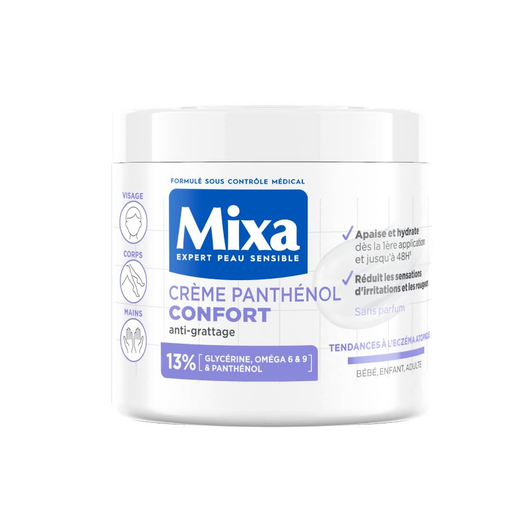
Why this choice suits this profile: A formula designed for very dry and reactive skin, with panthenol and a size that works for large areas or regular use.
The product page states a non-greasy, non-sticky texture – handy if you need to moisturise your skin often without waiting ages before getting dressed.
400 ml, glycerin, shea butter, panthenol and niacinamide listed in the ingredients.
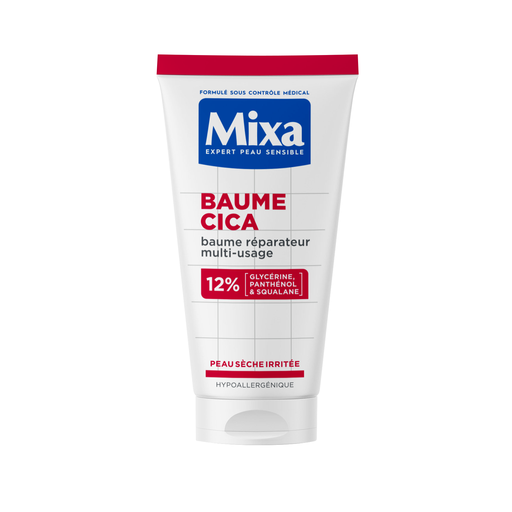
Why this choice suits this profile: This targeted balm is suitable for small dry, fragile areas that need a more protective texture, for adults and children as per the product’s indications.
Its 50 ml size and presentation as a multi-use balm stop you mistaking it for a daily lotion meant for the whole body.
Panthenol, glycerin, shea butter and squalane listed in the formula, with a texture described as protective.
We’ve put together a full, real-time selection of products that meet these demanding criteria and European safety regulations.
For your face, choose a texture that suits your skin type. A cream with hyaluronic acid can work for dehydrated skin that wants something light. A formula enriched with vitamin E, shea butter or peptides will often be better for dry or uncomfortable skin. Always check for fragrance and the INCI list.
Some products are designed for face and body, particularly in 150 or 400 ml sizes. A nourishing body and face cream can be handy for the whole family, but its texture may be richer than a product formulated specifically for the face. Apply it in a thin layer and adjust the amount depending on the area.
The shelf life depends on the date shown on the packaging, the symbol indicating how long it lasts after opening, and storage conditions. Close the pot or tube carefully, keep it away from heat, and stop using it if the smell, colour or texture changes. If you experience severe itching, pain or persistent irritation, ask a healthcare professional for advice rather than piling on more products.