
Livraison le jour même ou le lendemain

Qualité garantie

Débloquez vos offres de bienvenue: Livraison GRATUITE | Jusqu'à -80 % | 30 jours d'essai gratuits à JoyPlus
Téléchargez l'application
In DIY, the quality of a project is often judged by its finish. Installing skirting boards, mouldings, or PVC seals requires clean, perfectly-fitted angle cuts. Achieving this level of precision with non-specialised tools is often an uphill battle and can be extremely time-consuming.
This is where miter shears come in as an indispensable ally. This manual tool, also known as multi-angle shears, is specifically designed for making fast, precise cuts in soft materials.
This guide will explain how to choose the perfect model for your needs and present our selection of the best options for your finishing projects in 2026.
Before you make a decision, let's review the key points that make all the difference in performance and user comfort.
The main strength of this tool is its ability to make cuts at a predefined angle. Most models offer a range from 45° to 135°, which covers the majority of needs for internal and external corners.
Ensure the angle protractor is perfectly legible. An engraved scale directly on the metal will always be more durable than a simple printed one, which can fade over time with wear and tear. A stable adjustment slider is also a guarantee of precision for a reliable 45-135° angle cutting tool.
You can't get a clean cut without a flawless blade. SK5 steel blades are a reliable choice, known for their sharpness and durability. However, even the best blade will eventually dull, especially after many cuts in materials like softwood or certain plastics.
Opt for a model with easily replaceable blades. Some kits include spare blades, which is a practical and cost-effective advantage in the long run, saving you from having to buy a whole new tool.
A good pair of miter shears must offer a comfortable grip to allow for work without excessive fatigue. Handles with a non-slip coating (often PPC or rubber) improve control and safety.
The locking system is another crucial feature. A sturdy safety latch keeps the shears in the closed position when not in use. It protects the blade from impacts and prevents any risk of accidental cuts during storage or transport.
To help you make an informed choice, we have reviewed several options available on the market. Here is a selection of shears that meet the performance and practicality criteria for both DIY enthusiasts and professionals.
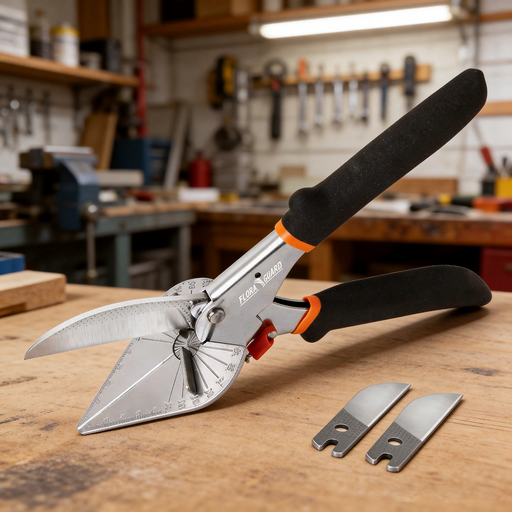
What sets it apart?: This model offers an excellent balance of features and durability. Its aluminium alloy handle and SK5 steel blade make it a robust tool for everyday jobs. The real bonus?: it comes with two spare blades so you're never caught unprepared.
Advantages?:
Who is it for?? Ideal for advanced DIYers and craftspeople who regularly perform finishing work, such as installing skirting boards or trim strips, and are looking for a reliable tool with included consumables.
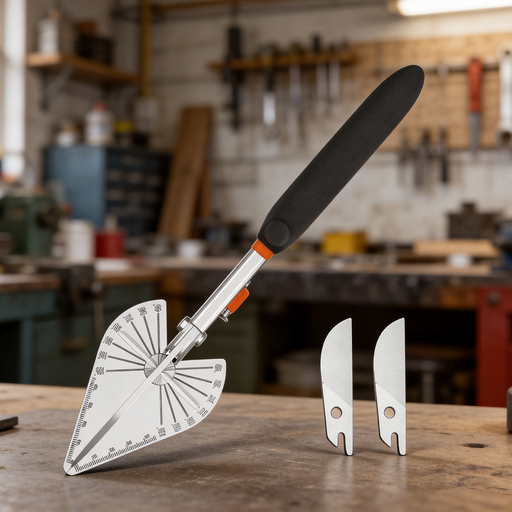
What sets it apart?: The GARTOL shears stand out with their extended design, offering a larger-than-average cutting capacity of up to 6.8 cm in diameter. This feature makes them particularly suitable for wider profiles or thicker materials.
Advantages?:
Who is it for?? Designed for professionals and installers who work with a wide variety of profiles, including mouldings or trunking that are larger than standard dimensions.
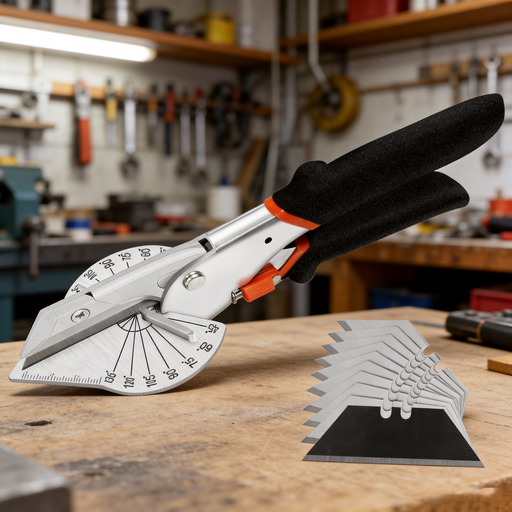
What sets it apart?: This model is the go-to solution for heavy-duty users. While it shares the same design as the first FLORA GUARD model, it stands out by including a generous pack of 10 spare blades. A smart and economical choice for those who anticipate frequent use.
Advantages?:
Who is it for?? Perfect for craftspeople, floor fitters, and professionals who use their multi-angle shears daily and want to minimise downtime for purchasing consumables.
The shears featured in this guide are specialised for angle cuts in finishing work. If your needs are more geared towards garden maintenance or other types of cutting, a wide variety of shearing tools are available.
To explore a wider range, including hedge shears, loppers, or pruning shears, we invite you to browse our full category.
Discover Our Range of Garden Shearing Tools
Absolutely not. It is strongly advised not to attempt cutting metal, even thin sheets. These shears are specifically designed for soft materials like wood (pine, fir), PVC, rubber, or plastic profiles. Using them on metal will irreversibly damage the blade and could pose a safety risk.
The process is usually very simple. Ensure the tool is in the locked position. Most models have one or more screws holding the blade in place. Simply unscrew them with a suitable screwdriver, carefully remove the old blade (while wearing protective gloves), position the new blade, and tighten the screws firmly.
Miter shears are a manual, portable, and quiet tool, perfect for clean cuts on small sections (skirting boards, trim, seals). In contrast, an electric miter saw is a powerful workshop machine designed for cutting much thicker and wider pieces of wood (rafters, planks, etc.). The shears excel in their maneuverability for finishing jobs, where a saw would be cumbersome and overkill.