
Livraison le jour même ou le lendemain

Qualité garantie

Débloquez vos offres de bienvenue: Livraison GRATUITE | Jusqu'à -80 % | 30 jours d'essai gratuits à JoyPlus
Téléchargez l'application
Dreaming of making authentic miso soup or exploring the famous umami flavour, but feeling overwhelmed by the sheer variety of miso pastes? Between red miso and white miso, it can be tough to know which one to choose for your recipe.
Don't worry, this guide is here to help. As the head of product selection at Joybuy, my role is simple: to guide you to the perfect miso for your recipes, with clear, jargon-free advice.
Choosing a fermented soybean paste primarily depends on how you plan to use it and your personal taste.
The colour of a miso says a lot about its flavour. It mainly depends on its fermentation time and the ingredients used.
A good Japanese miso paste can be identified by its minimalist ingredient list. The traditional recipe contains only water, soybeans, rice (or barley), salt, and koji (Aspergillus oryzae), the noble mould that initiates fermentation. A short list is therefore an excellent sign of authenticity. This is one of the strengths of the Hikari Miso brand, which is renowned for its commitment to ancestral methods.
To help you navigate the options, here are three products that perfectly illustrate the richness and quality of Japanese misos.
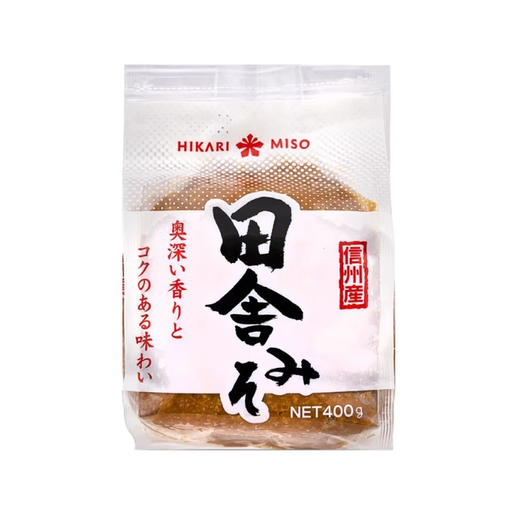
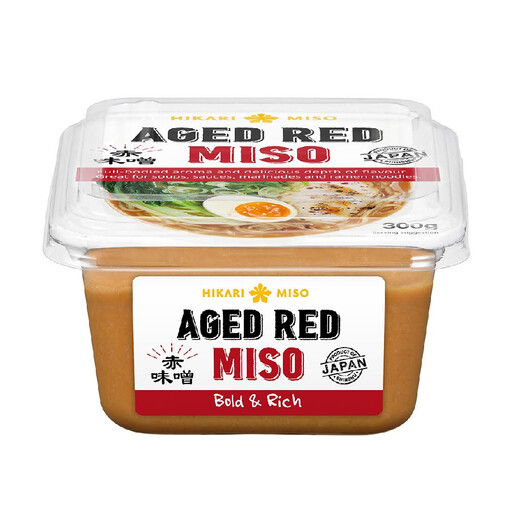
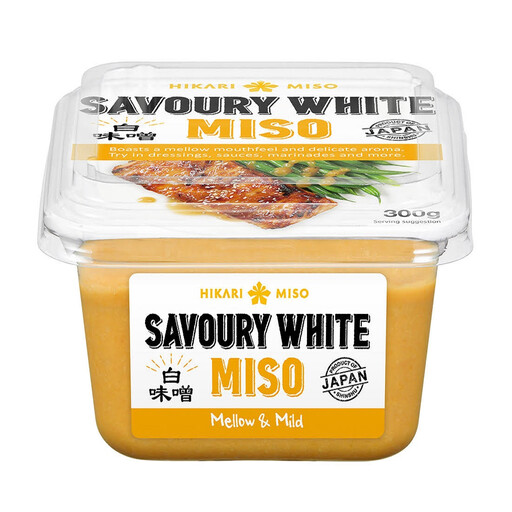
If our selection hasn't completely won you over, or if you want to explore other Asian condiments, feel free to browse our fermented soybean pastes section. You'll find a much wider selection there to inspire your future recipes.
Discover More Fermented Soybean Pastes
Once opened, store the miso paste in an airtight container in the refrigerator. The salt it contains is an excellent natural preservative, allowing it to last for several months, or even over a year. Its colour may darken over time, but this does not affect its flavour quality.
Yes, absolutely. As a fermented product, miso is delicious even when raw. It's often used uncooked in dressings, dips, or simply spread in a thin layer on crunchy vegetables.
Although both are made from fermented soybeans, their uses and textures are very different. Miso paste is a thick, complex paste (often made with rice or barley in addition to soybeans) that serves as a base for soups, marinades, and sauces. Soy sauce, on the other hand, is a liquid condiment used mainly for final seasoning, much like salt.