
Livraison le jour même ou le lendemain

Qualité garantie

Débloquez vos offres de bienvenue: Livraison GRATUITE | Jusqu'à -80 % | 30 jours d'essai gratuits à JoyPlus
Téléchargez l'application
A star ingredient in Japanese cuisine, miso paste is the chef's secret that transforms a simple soup or marinade into an umami-rich dish. But between the mild, delicate white miso and the robust, full-bodied red miso, how do you choose? Whether you're a fan of authentic miso soup or a curious foodie seeking new flavours, this guide gets straight to the point. We break down the subtleties of this Japanese seasoning to help you find the perfect miso for your recipes.
To find the fermented soybean paste that will elevate your dishes, there are a few criteria to consider. Follow our guide.
A miso's colour says a lot about its character and intensity. It's a direct reflection of its fermentation time and the ingredients used.
A good Japanese miso can be identified by its minimalist ingredient list. The essentials are:
Some misos contain alcohol, which acts as a natural preservative. A quick look at the label is all it takes to buy an authentic miso without unnecessary additives.
There's a miso for every recipe. For a gentle introduction or for your everyday miso soup, white miso is a reliable choice. Want to add body and depth to a saucy dish or glazed aubergines? Red miso is what you need.
Our editors have tested and selected a few gems for you, chosen for their flavour and ease of use in the kitchen.
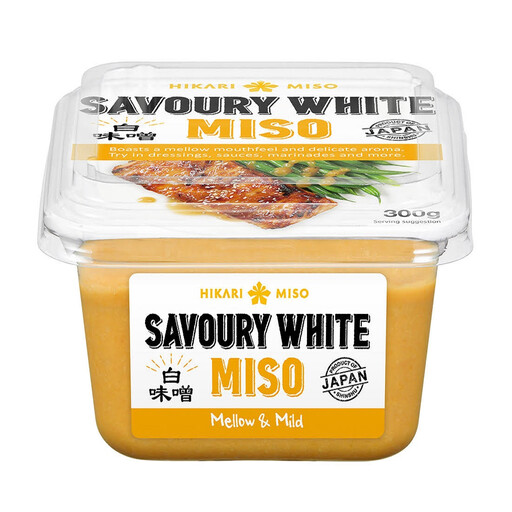
Why it stands out A true classic from the Hikari Miso brand. This shiro miso impresses with its perfect balance of distinct umami and a comforting sweetness, typical of a well-controlled fermentation. Its smooth texture makes it incredibly easy to dissolve.
Benefits
Who is it for? For anyone new to miso or looking for an all-rounder for everyday cooking. It's the reliable choice for adding a subtle touch of umami to light dishes.
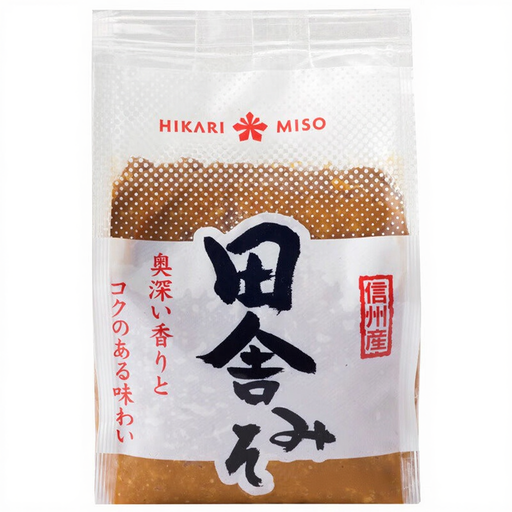
Why it stands out This "Inaka" (meaning "countryside") style miso is a red miso in the purest tradition of the Shinshu region. Its long fermentation gives it an intense red colour and powerful aromas, reminiscent of the artisanal misos of the past.
Benefits
Who is it for? For adventurous cooks who love bold flavours. It's perfect for lending an authentic, powerful soul to saucy dishes or grilled meats.
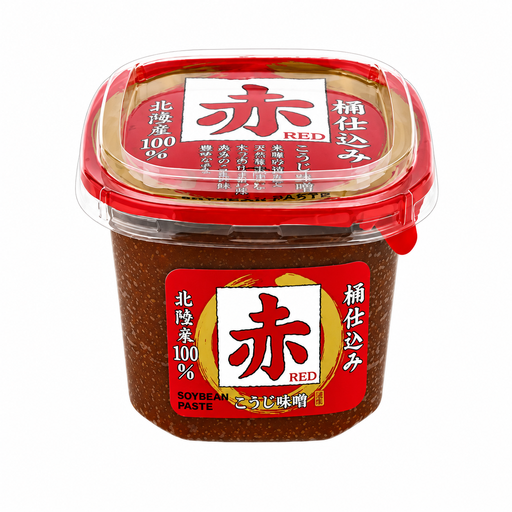
Why it stands out This red miso (Aka) from Yamagen is aged in wooden barrels using the ancestral "kokejime" method, which gives it an extraordinary aromatic complexity. Made with spring water from the Toyama prefecture, it is the very expression of artisanal craftsmanship.
Benefits
Who is it for? For lovers of Japanese cuisine in search of a characterful aka miso, where the artisan's work can be tasted in every bite. Ideal for hearty soups and marinades that demand personality.
The world of miso is vast and full of surprises. Barley miso, brown rice miso, blends... If our selection has whetted your appetite but you're looking for something else, the exploration has just begun.
? Discover our complete Miso selection on Joybuy.fr
Once opened, miso should be stored in the refrigerator. To preserve its freshness, seal it tightly and place a piece of plastic wrap or parchment paper directly on the surface of the paste. This simple trick prevents oxidation and will allow you to keep it for several months without any issues.
Yes, for the most part. Miso paste is made from soybeans, grains (rice, barley), salt, and a fermenting agent. It is therefore naturally vegan. The only thing to be cautious about is some instant miso broths, which may contain dashi (a fish-based stock). A quick look at the ingredient list will clear up any doubt.
Although both are fermented soybean pastes, their tastes are quite different. Japanese miso often incorporates rice or barley into the fermentation, which gives it milder and more nuanced flavours. Korean doenjang, on the other hand, is typically made only from soybeans and brine. The result? A more raw, earthy flavour and a bolder saltiness.